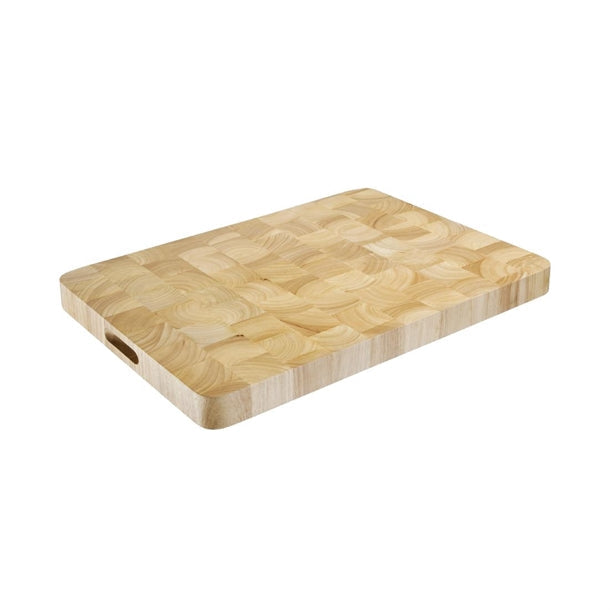

PE cutting boards (high-density polyethylene) are the industry standard in commercial kitchens for their hygiene, durability, and HACCP compliance. Non-porous, knife-friendly, and resistant to stains, odours, and bacterial growth, HDPE boards handle daily heavy prep without absorbing moisture or splitting under impact.
Hospitality Connect stocks PE cutting boards in the full HACCP colour code — red for raw meat, blue for raw fish, green for vegetables and salad, yellow for raw poultry, white for dairy and cooked foods, and brown for vegetables — keeping cross-contamination controlled across butchery, prep, and service stations. Sizes cover compact prep boards through to half- and full-bench commercial cutting boards.
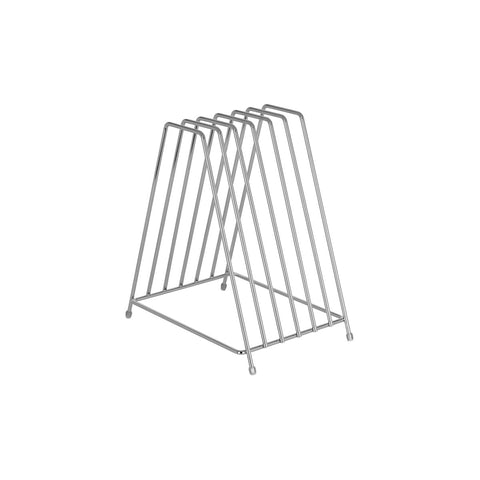
Used daily in restaurants, butcher shops, fish processors, hotels, catering kitchens, and food manufacturing facilities. Pair with a cutting board rack for organised, hygienic storage and air-drying. Trade pricing for full colour-coded sets and bulk replacement orders.
Choosing the Right PE Cutting Boards for Your Business
Why polyethylene is the commercial standard
High-density polyethylene (HDPE) cutting boards are the workhorse of Australian commercial kitchens. They're dense enough to take a sharp knife edge without dulling it, dishwasher-safe at standard wash temperatures, non-porous so they don't absorb juices, and available in the standard six-colour HACCP coding. PE boards last for years of daily service when properly maintained — far longer than wood under similar duty.
HACCP six-colour system
The Australian commercial standard is a six-colour board set, with each colour reserved for a specific food group:
Red: Raw meat (beef, lamb, pork).
Blue: Raw fish and seafood.
Yellow: Raw poultry.
Green: Vegetables, salad, fruit.
Brown / tan: Cooked meats and ready-to-eat proteins.
White: Dairy, bakery, and general use.
Most kitchens run the full set even if some colours see less use — it's about preventing cross-contamination, and a yellow board kept aside for poultry pays off the first time it stops a Salmonella incident.
Sizing for the workstation
250–300mm boards: Garnish station, café prep, herb chopping.
450–500mm boards: Standard line-cook station — the most common commercial size.
600mm+ boards: Butchery, fish prep, full-bench breakdown work.
Thickness: 20–25mm gives durability and resists warping; thinner boards (15mm) are lighter but warp under repeated dishwashing.
Care and replacement
Sand or replace when grooved: Deep knife scars hold bacteria — light sanding restores the surface; deep grooves mean replacement.
Dishwasher-safe but not high-temp sanitiser: Most PE handles standard wash but check the temp rating before high-temp wash cycles.
Vertical air-dry: Stand boards on a rack between uses — never stack flat wet.
Commercial knives — keep edges sharp for clean cuts that protect the board.
More about PE Cutting Boards
Why buy polyethylene cutting boards from Hospitality Connect
Australian-owned trade supplier: Operating since 2003 with a Penrith showroom and warehouse — see equipment in person before you buy.
Real warehouse stock: We hold inventory locally for same-day or next-day Sydney metro dispatch and prompt Australia-wide delivery.
Trade pricing for operators: Volume discounts for restaurants, café groups, hotels, caterers, and multi-site fit-outs — talk to us for a quote.
Practical sizing advice: Our team knows GN sizing, kW ratings, and bench layouts — we recommend what fits your space and workflow, not what has the highest margin.
Bundled fit-out packages: New venue or refit? We coordinate equipment lists across cooking, refrigeration, prep, and front-of-house in a single quote.
Strong supplier relationships: Direct relationships with leading commercial brands give us stock priority, warranty backing, and accurate lead-time advice.
PE cutting board care
Dishwasher daily: PE boards are dishwasher-safe — run them through every cycle for thorough sanitation.
Sand or replace heavy scarring: Deep grooves harbour bacteria — sand light scars, replace heavy ones.
Air-dry vertically: Stand boards in a rack between uses — never stack flat wet.
Maintain colour discipline: Use red boards for raw meat, blue for fish, etc — cross-contamination is a serious food-safety risk.
Replace warped boards: A warped board doesn't sit flat and is dangerous to cut on — discard rather than persisting.
Watch for wash-temp limits: Some PE boards have temperature limits — check before sending through high-temp sanitiser cycles.
Need help choosing? Talk to us
Reach out with your covers, menu style, and available footprint — we'll point you to the right unit and price it competitively for trade buyers. Showroom visits welcome in Penrith, and we ship most lines same-day or next-day to Sydney metro and on to the rest of Australia.