


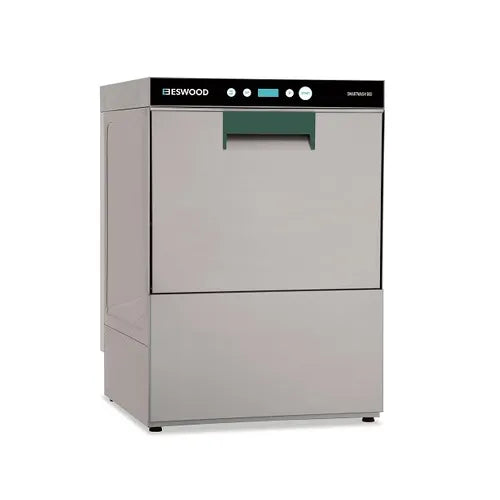
Underbench Dishwashers
Our underbench dishwashers offer efficient and hygienic cleaning in a compact footprint, making them perfect for busy venues with limited space. Designed for commercial use, these dishwashers provide fast wash cycles, low water usage, and high-temperature sanitation—ensuring compliance with HACCP food safety standards.
Underbench dishwashers are ideal for cafes, bars, small restaurants, office kitchens, and food trucks, delivering consistent performance with user-friendly controls. Most models accommodate standard 500x500mm racks and can handle plates, cups, glassware, and cutlery in one quick cycle.
Key Features:
-
Compact design fits beneath standard benches or counters
-
Fast wash cycles (as quick as 1–3 minutes)
-
High-temperature sanitizing and rinse options
-
Stainless steel construction for durability and hygiene
-
Built-in detergent and rinse aid pumps
-
Optional drain pumps and water softeners available
Best For:
-
Cafes and coffee shops
-
Wine bars and cocktail lounges
-
Small restaurants and function spaces
-
Mobile food trucks and event setups

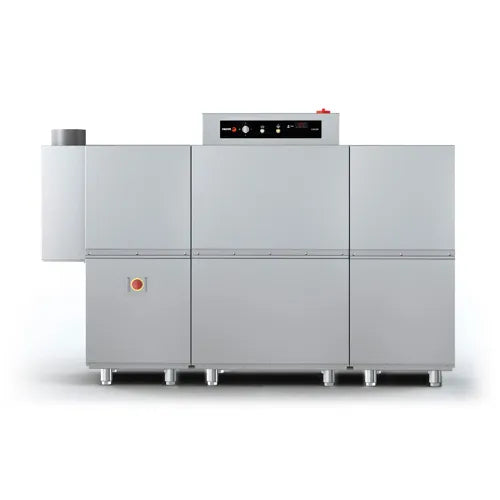

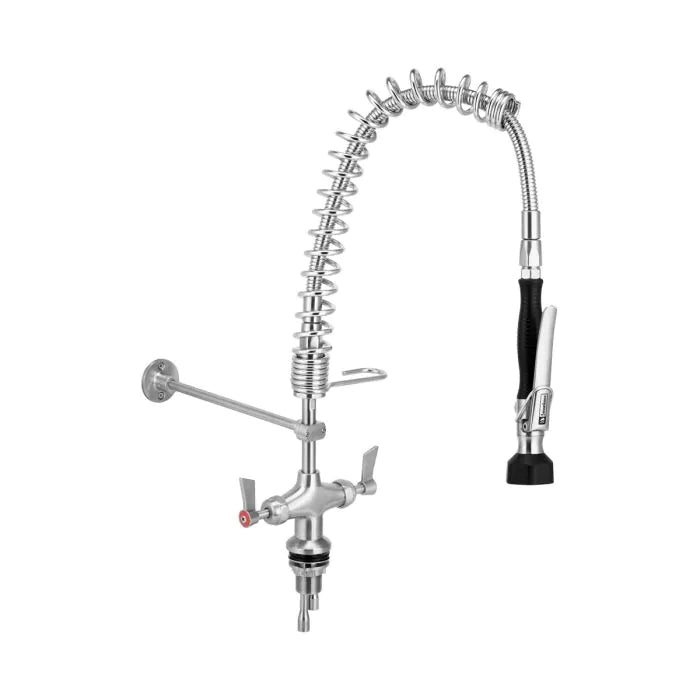
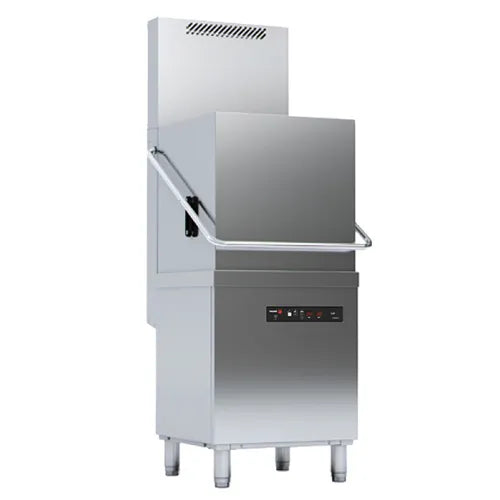


Choosing the Right Underbench Dishwashers for Your Business
What is an underbench dishwasher?
What is an underbench dishwasher?
How fast are the wash cycles?
How fast are the wash cycles?
Are these dishwashers HACCP compliant?
Are these dishwashers HACCP compliant?
Can I use an underbench dishwasher for glassware too?
Can I use an underbench dishwasher for glassware too?
Do you deliver and support dishwashers across Australia?
Do you deliver and support dishwashers across Australia?


