


Meat Slicer
Achieve precise, uniform cuts every time with our high-performance Commercial Meat Slicers, built for butcher shops, delis, supermarkets, and commercial kitchens. Whether you're slicing cured meats, deli cold cuts, cheese, or roast beef, our slicers deliver consistent thickness, reduced waste, and superior presentation.
Available in manual and automatic models, our slicers feature razor-sharp stainless steel blades, adjustable thickness controls, safety guards, and easy-to-clean components. Designed to withstand high-volume use, these slicers ensure efficiency, hygiene, and operator safety in every foodservice environment.
Key Features:
-
Precision slicing for meats, cheese & more
-
Adjustable thickness dial for perfect portions
-
Manual and electric models available
-
Food-grade stainless steel construction
-
Easy to clean, safe to operate, and HACCP compliant
Shop Meat Slicers at Hospitality Connect—Australia’s trusted supplier of professional food preparation equipment with fast nationwide delivery.
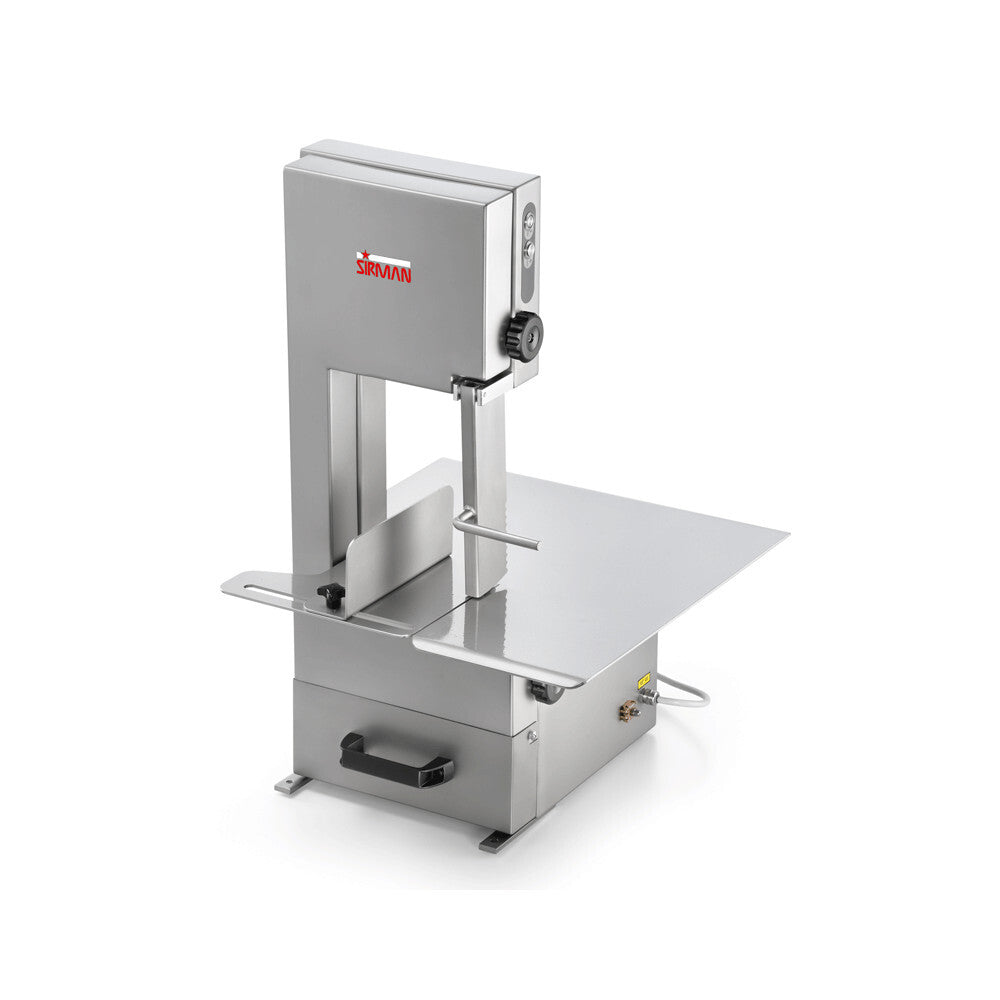


Choosing the Right Meat Slicer for Your Business
What can I slice with a commercial meat slicer?
What can I slice with a commercial meat slicer?
What’s the difference between manual and automatic meat slicers?
What’s the difference between manual and automatic meat slicers?
Can I adjust the slice thickness?
Can I adjust the slice thickness?
Are commercial meat slicers safe to use?
Are commercial meat slicers safe to use?
Does Hospitality Connect supply commercial meat slicers?
Does Hospitality Connect supply commercial meat slicers?


