


Collection:
Induction Cooktops
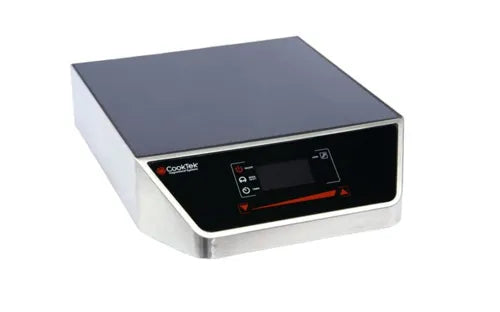
Commercial induction cooktops offer a fast, safe, and energy-efficient cooking solution for modern professional kitchens. Unlike gas or radiant electric burners, induction cooktops heat cookware directly using electromagnetic energy—resulting in rapid response times, precise temperature control, and minimal heat loss.
Ideal for restaurants, cafés, catering operations, hotels, and demonstration kitchens, induction units are available in countertop or freestanding formats, with single, double, or multi-zone configurations.
Key Features:
-
Rapid Heat-Up & Instant Response – Induction cooktops reach temperature faster than gas or electric alternatives, reducing prep time.
-
Energy Efficiency – Heat transfers directly to compatible cookware, minimizing wasted energy and keeping kitchens cooler.
-
Precise Temperature Control – Ideal for delicate cooking techniques, sauces, and repeatable results.
-
Cool-to-Touch Surface – Only the cookware gets hot, reducing risk of burns and making surfaces safer during service.
-
Easy to Clean – Smooth glass-ceramic surface wipes clean quickly without grates or burners.
-
Compact & Versatile – Available as portable single-zone units or built-in models with multiple hobs.
-
Durable & Commercial-Grade – Designed for continuous use in demanding hospitality environments.
Whether for à la carte prep, catering stations, or modern kitchen upgrades, induction cooktops offer unmatched efficiency, control, and safety.



Choosing the Right Induction Cooktops for Your Business
How does induction cooking work?
How does induction cooking work?
What are the advantages of induction over gas or electric?
What are the advantages of induction over gas or electric?
Do induction cooktops require special cookware?
Do induction cooktops require special cookware?
Are induction cooktops suitable for commercial use?
Are induction cooktops suitable for commercial use?
Does Hospitality Connect supply commercial induction cooktops?
Does Hospitality Connect supply commercial induction cooktops?


