


Collection:
Dinnerware
At Hospitality Connect, we supply a wide range of commercial dinnerware crafted to meet the needs of restaurants, cafés, hotels, and catering businesses. Our collection combines style, durability, and functionality to ensure your presentation matches the quality of your cuisine.
Our dinnerware range includes:
-
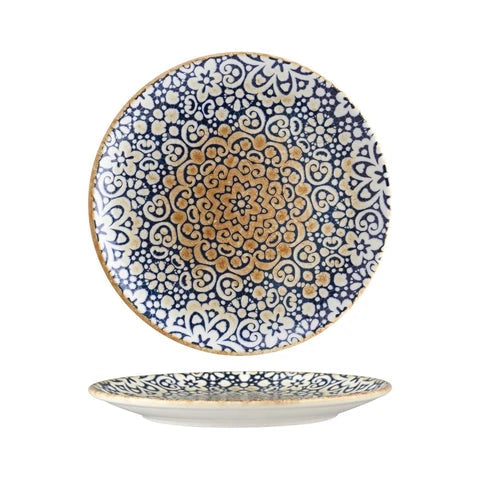
Plates & Bowls – available in classic white, modern stoneware, and durable porcelain.
-
Serving Platters & Trays – perfect for showcasing shared dishes and banquets.
-
Specialty Dinnerware – tapas plates, pasta bowls, and dessert dishes to complement every menu.
-
Durable Commercial-Grade Materials – designed to withstand daily use in professional hospitality environments.
Choosing the right dinnerware not only enhances the dining experience but also reinforces your brand’s image and attention to detail. With Hospitality Connect, you get access to world-class dinnerware brands trusted by chefs and restaurateurs across Australia.


Choosing the Right Dinnerware for Your Business
What type of dinnerware is best for commercial use?
What type of dinnerware is best for commercial use?
Can I buy dinnerware in bulk for my restaurant or hotel?
Can I buy dinnerware in bulk for my restaurant or hotel?
Is your dinnerware dishwasher and microwave safe?
Is your dinnerware dishwasher and microwave safe?
Do you stock both classic and modern styles?
Do you stock both classic and modern styles?
What brands of dinnerware do you carry?
What brands of dinnerware do you carry?


