


Chefs Clothing
Chef clothing is essential for maintaining professionalism, comfort, and safety in commercial kitchens. Designed to meet the demanding needs of hospitality environments, high-quality chef apparel provides a clean and functional uniform while also meeting food safety standards.
Types of Chef Clothing:
-
Chef Jackets/Coats – Double-breasted designs that protect against heat, spills, and splashes. Available in breathable fabrics for all-day comfort.
-
Chef Pants – Typically in relaxed fits with elastic or drawstring waists, made for ease of movement and durability.
-
Aprons – Waist or bib-style aprons that offer an extra layer of protection from spills and stains.
-
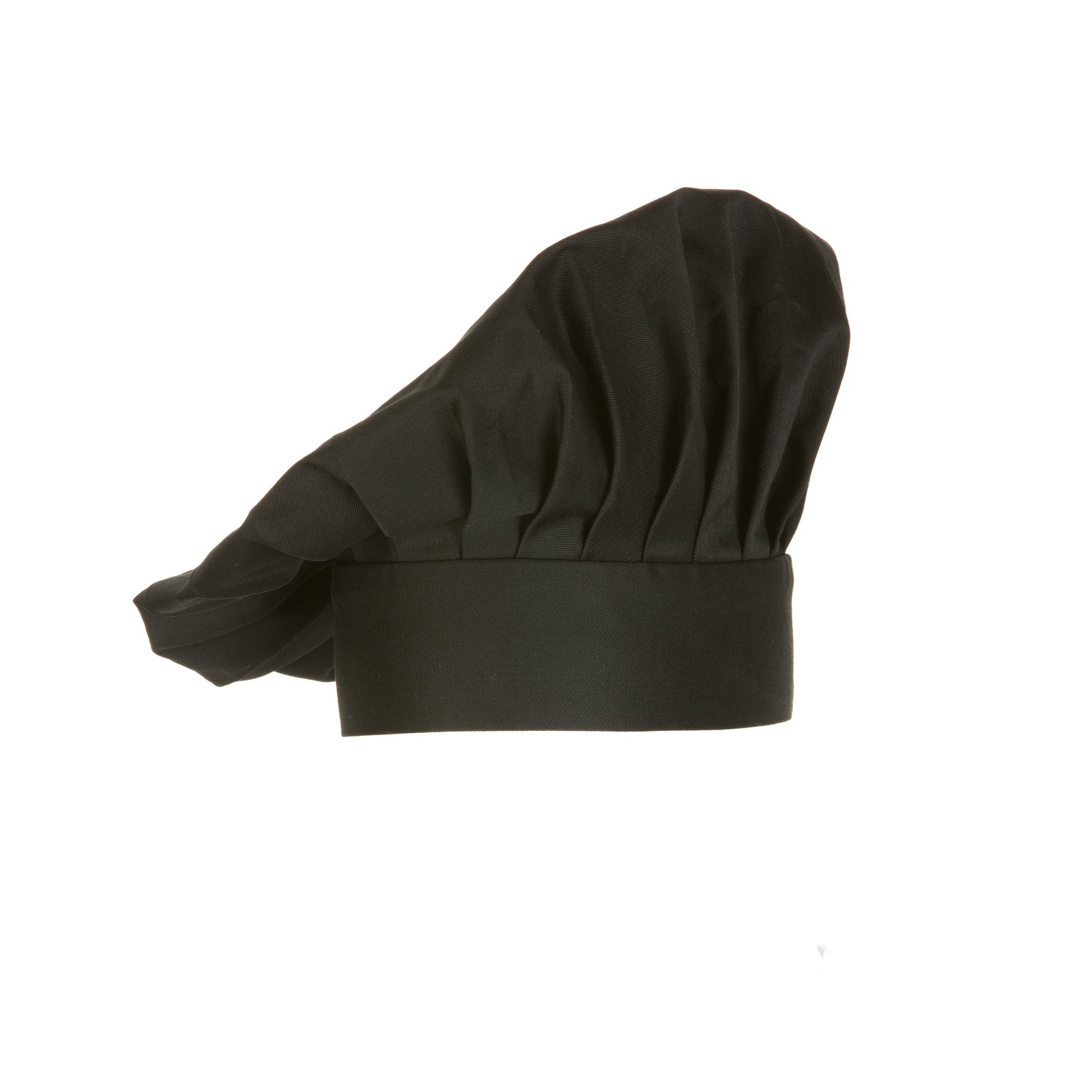
Chef Hats and Headwear – From classic toques to skull caps and bandanas, these help maintain hygiene and keep hair secure.
-
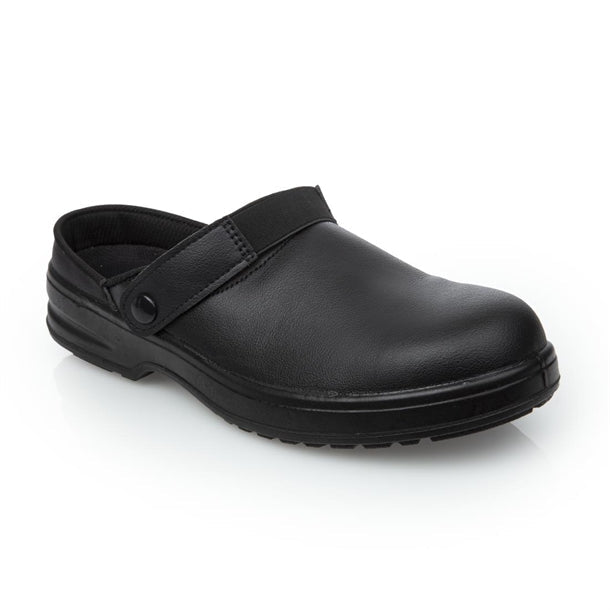
Non-slip Footwear – Essential for kitchen safety, providing grip, comfort, and protection from spills or dropped items.
Chef clothing is available in various sizes, cuts, and materials to suit different kitchen roles and branding preferences. Some options are customizable with logos or names, enhancing a unified professional appearance for your kitchen staff.



Choosing the Right Chefs Clothing for Your Business
What is the purpose of chef clothing in commercial kitchens?
What is the purpose of chef clothing in commercial kitchens?
What should a complete chef uniform include?
What should a complete chef uniform include?
Are chef jackets available in different styles and materials?
Are chef jackets available in different styles and materials?
Can chef clothing be personalized with branding?
Can chef clothing be personalized with branding?
Does Hospitality Connect supply chef clothing?
Does Hospitality Connect supply chef clothing?


