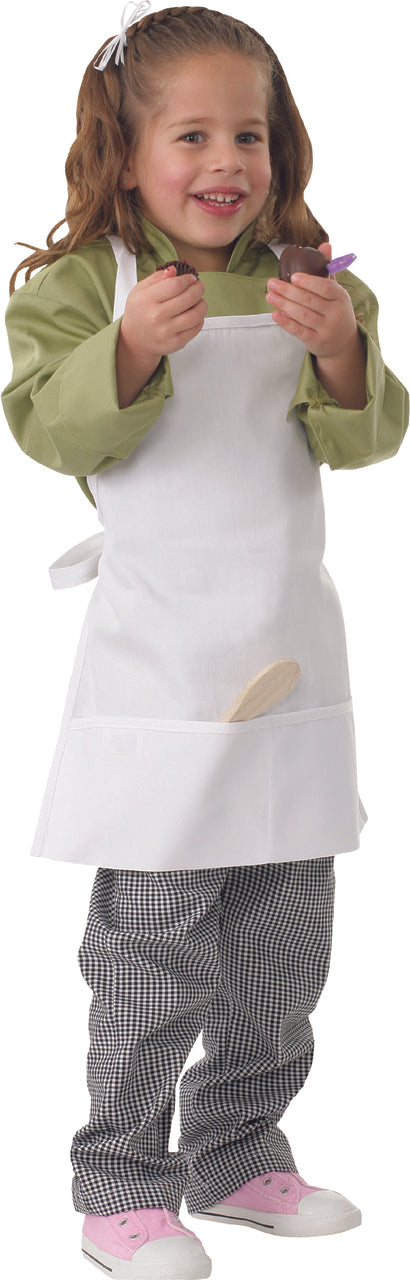

Chef pants are the lower-half workwear for commercial kitchens — engineered for daily commercial laundering, kitchen mobility, splash and burn resistance, and AU workplace hygiene standards. Hospitality Connect stocks chef pants from Chef Works, Le Chef, Tibard and Cool Vent — across baggy traditional, slim-fit modern, houndstooth check, drawstring and elastic-waist formats.
Range and roles
- Baggy traditional chef pants: Loose drape with elastic waist or drawstring; ample airflow for hot kitchens.
- Slim-fit modern chef pants: Tailored leg with stretch fabric; preferred by FOH and modern open-kitchen brigades.
- Houndstooth check: Classic black-and-white pattern; hides splash and stain better than plain colours.
- Drawstring vs elastic waist: Drawstring adjusts mid-shift; elastic stays in place during heavy work.
- Cargo and side-pocket variants: Extra storage for thermometers, tasting spoons and pens — useful for sous chefs working multiple stations.
Fit and fabric
65/35 polycotton is the working blend — fast-drying, takes commercial wash cycles, retains shape after 200+ washes. 100% cotton breathes better but shrinks 5–10% on first wash and stains permanently. Modern stretch-cotton blends (with 2–4% spandex) give the slim-fit cut without restricting movement. Inseam length runs 76–86cm; specify by inseam not nominal size to avoid trip hazards on long-leg cooks. Reinforced seat and inseam panels prevent the most common failure point — cooks crouching and standing 100+ times per shift.
Compliance and uniform notes
- Long pants only: AU FSANZ standards mandate full-leg coverage in all food-handling areas; shorts breach Food Standards Code.
- Closed-toe footwear matched: Pant length should clear closed-toe shoe top — too long is a trip hazard.
- Splash and burn resistance: Heavyweight twill 200gsm+ resists oil splash; thinner 150gsm fabric is less durable.
- Cuff and ankle: Tapered or elasticated ankle prevents catching on equipment; loose cuffs catch on oven door handles.
- Storage and rotation: Stock 4–5 pants per cook for a 5-day rotation; extends garment life by 30–40%.
Chef pants are the most-replaced uniform item in commercial kitchens — typically annually for working cooks, more often in heavy-volume venues. Specifier checklist: fabric weight (200gsm+ for splash and burn resistance), inseam length matched to cook footwear (no trip hazard), reinforced seat and inseam panels for the most common failure point, and waistband style (drawstring for adjustability or elastic for stability). Stock 4–5 pairs per cook for a 5-day rotation; rotation extends garment life by 30–40%. Embroidery and brand specification add 6–8 weeks lead time on first order; subsequent top-ups are 2–3 weeks.
Pair with
Round out the working uniform with chef's clothing jackets and aprons, plus disposable napkins (washroom) for service stations.