


Cabinet Stainless Benches
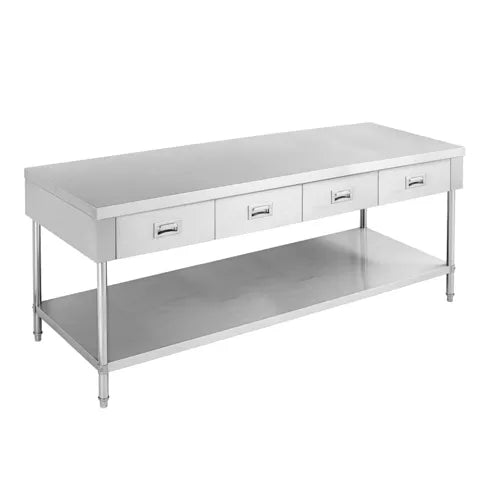
Cabinet stainless steel benches combine the practicality of a durable work surface with the convenience of enclosed storage. Designed for commercial kitchens, cafés, restaurants, hotels, hospitals, and food preparation areas, these benches help maximize workspace efficiency while maintaining a clean, professional, and hygienic environment.
The enclosed cabinet base protects contents from dust, debris, and contamination, making it ideal for storing utensils, cookware, cleaning products, or dry ingredients in busy foodservice operations.
Key Features:
-
Heavy-Duty Stainless Steel Construction – Food-grade 304 stainless steel for strength, hygiene, and corrosion resistance
-
Integrated Storage Cabinet – Enclosed base with solid or sliding doors for secure storage
-
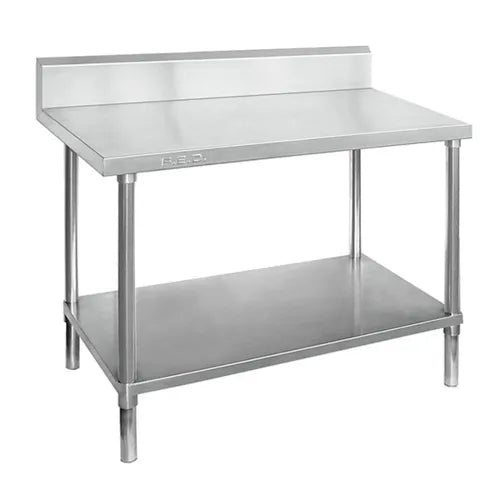
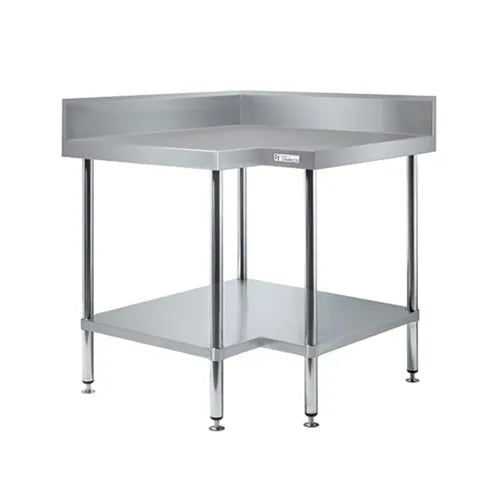
Flat or Splashback Worktop – Choose the ideal benchtop finish for prep or dishwashing areas
-
Adjustable Shelves (select models) – Optimize internal storage to suit kitchen needs
-
Fully Welded or Modular Design – Available in custom or flat-pack styles to suit different spaces
-
Reinforced Undershelf & Castor Options – Add mobility or support for heavier items
-
Noise-Reducing Underside – Minimizes vibrations and noise during heavy-duty use
Perfect for high-traffic prep stations, dish areas, or ingredient storage zones, cabinet benches provide a clean, professional solution that enhances both workflow and compliance with hygiene regulations.








Choosing the Right Cabinet Stainless Benches for Your Business
What is a cabinet stainless bench used for?
What is a cabinet stainless bench used for?
Are cabinet benches made from food-grade stainless steel?
Are cabinet benches made from food-grade stainless steel?
Do the cabinets have adjustable shelving?
Do the cabinets have adjustable shelving?
Can I choose between hinged and sliding doors?
Can I choose between hinged and sliding doors?
Does Hospitality Connect supply cabinet stainless steel benches?
Does Hospitality Connect supply cabinet stainless steel benches?


