

Maintaining a clean and efficient commercial deep fryer is essential for ensuring food safety, enhancing the longevity of your equipment, and maintaining the quality of your fried foods. Over time, grease, oil, and food particles accumulate, which can affect the fryer's performance and even pose a health hazard if not cleaned regularly.
This comprehensive guide walks you through the deep cleaning process, helping Australian hospitality businesses keep their commercial fryers in peak condition.
Key Takeaways
- Deep cleaning your commercial fryer prevents oil degradation and maintains food quality
- Regular cleaning extends equipment life and reduces repair costs
- Proper maintenance ensures compliance with food safety standards
- Daily light cleaning prevents heavy grease buildup
- Always allow the fryer to cool completely before cleaning
Why Is Deep Cleaning Your Commercial Fryer Important?
A deep clean removes built-up oil, food particles, carbon, and other contaminants that directly affect both the taste and quality of your food. If left unattended, these residues can degrade the oil, resulting in a burnt taste and possible foodborne illnesses.
Moreover, frequent cleaning ensures your fryer operates at peak efficiency, saving you time and energy. Clean heating elements work more effectively, reducing cooking times and energy consumption across your commercial cooking equipment.
Essential Supplies for Deep Cleaning Your Fryer
Before you begin the cleaning process, gather all necessary tools and supplies. Having everything on hand makes the job faster and more efficient.
Required Cleaning Materials
- Commercial fryer cleaning solution or degreaser specifically designed for food service equipment
- Clean, absorbent towels or rags
- Heat-resistant gloves for handling hot surfaces
- Sponge or soft-bristle brush to avoid scratching surfaces
- Bucket or large container for oil disposal
- Fryer cleaning brush for hard-to-reach areas
- Plastic scraper for stubborn buildup (optional)
- Safety glasses to protect from splashes (recommended)
Step-by-Step Guide to Deep Cleaning a Commercial Deep Fryer
1. Turn Off and Cool Down the Fryer
Safety first! Always turn off the fryer and allow it to cool down completely before starting the cleaning process. This step prevents burns and injuries.
Ensure the oil is cool to touch but not congealed. Most commercial fryers need at least 2-3 hours to cool properly after a full day of service.
2. Drain the Oil Safely
Once the fryer is cool, drain the oil into a proper container for disposal or recycling. Many commercial fryers have a built-in drain valve, making this process straightforward.
Be sure to follow your local Australian regulations for oil disposal. If the oil is reusable, strain and store it in a clean, sealed container away from direct sunlight.
3. Remove Fryer Baskets and Accessories
Take out the fryer baskets, racks, and any other removable accessories from the fryer. Wash them separately with warm, soapy water and a non-abrasive sponge to avoid damaging the metal.
For heavily soiled baskets, soak them in hot water with degreaser for 15-20 minutes before scrubbing.
4. Clean the Fryer's Interior
Use a commercial fryer cleaning solution or degreaser to spray down the inside of the fryer. Let the solution sit for 5-10 minutes to break down grease and grime.
Using a sponge or soft-bristle brush, scrub the walls, heating elements, and the fryer's interior thoroughly. For stubborn grease or oil buildup, a plastic scraper can help dislodge debris without scratching the stainless steel surface.
5. Clean the Heating Elements
Heating elements often accumulate grease and carbon deposits that reduce efficiency. Clean these thoroughly with a soft-bristle brush to ensure they function efficiently and are free of blockages.
Pay special attention to any crevices where debris can hide. Clean heating elements heat oil more evenly and use less energy.
6. Wipe Down the Exterior
Don't neglect the exterior of your fryer. Wipe down the control panel, knobs, and sides with a damp cloth and mild cleaning solution.
Avoid harsh chemicals that could damage the exterior finish or leave residue. Keep vents and air intakes clear for proper ventilation.
| Cleaning Task | Frequency | Impact |
|---|---|---|
| Daily wipe-down | After each service | Prevents heavy buildup |
| Oil filtering | Daily to every 2 days | Extends oil life |
| Oil change | Every 8-10 frying hours | Maintains food quality |
| Deep clean | Weekly or bi-weekly | Equipment longevity |
7. Rinse the Fryer Thoroughly
Once the interior and exterior are scrubbed, rinse the fryer with clean water to remove any residual cleaning solution. Any remaining chemicals can contaminate your cooking oil and affect food taste.
Be sure to drain any excess water from the fryer completely before drying. Water and hot oil are a dangerous combination.
8. Dry Everything Completely
After rinsing, use a clean, dry towel to wipe down all surfaces of the fryer. Make sure it's completely dry before refilling with oil.
Even small amounts of water can cause oil to splatter dangerously when heated. Pay special attention to corners and the drain area.
9. Refill with Fresh Oil
Once the fryer is completely dry, refill it with fresh oil or reuse filtered oil if it's still in good condition. Check your fryer's manual for the correct oil capacity.
Make sure you don't overfill it, as this could cause dangerous splashing when cooking. Fill to the indicated maximum line only.
10. Turn On and Test
Turn the fryer back on and allow it to heat up to operating temperature. Check for any issues such as oil leaks, unusual noises, or overheating.
Test the fryer by cooking a small batch of food to ensure it's functioning properly and the oil is heating evenly.
Tips for Ongoing Fryer Maintenance
Preventive maintenance is the key to keeping your commercial fryer running efficiently. Regular attention reduces the need for intensive deep cleaning and expensive repairs.
Daily Maintenance Tasks
Perform a light cleaning at the end of each service to avoid heavy grease accumulation. Remove loose food particles, wipe down the exterior, and check oil quality.
This five-minute routine can save hours of deep cleaning later and helps maintain consistent food quality throughout the week.
Oil Management Best Practices
Change the oil every 8-10 hours of active frying to maintain food quality and prevent oil breakdown. Use test strips to monitor oil quality if you're unsure whether it needs changing.
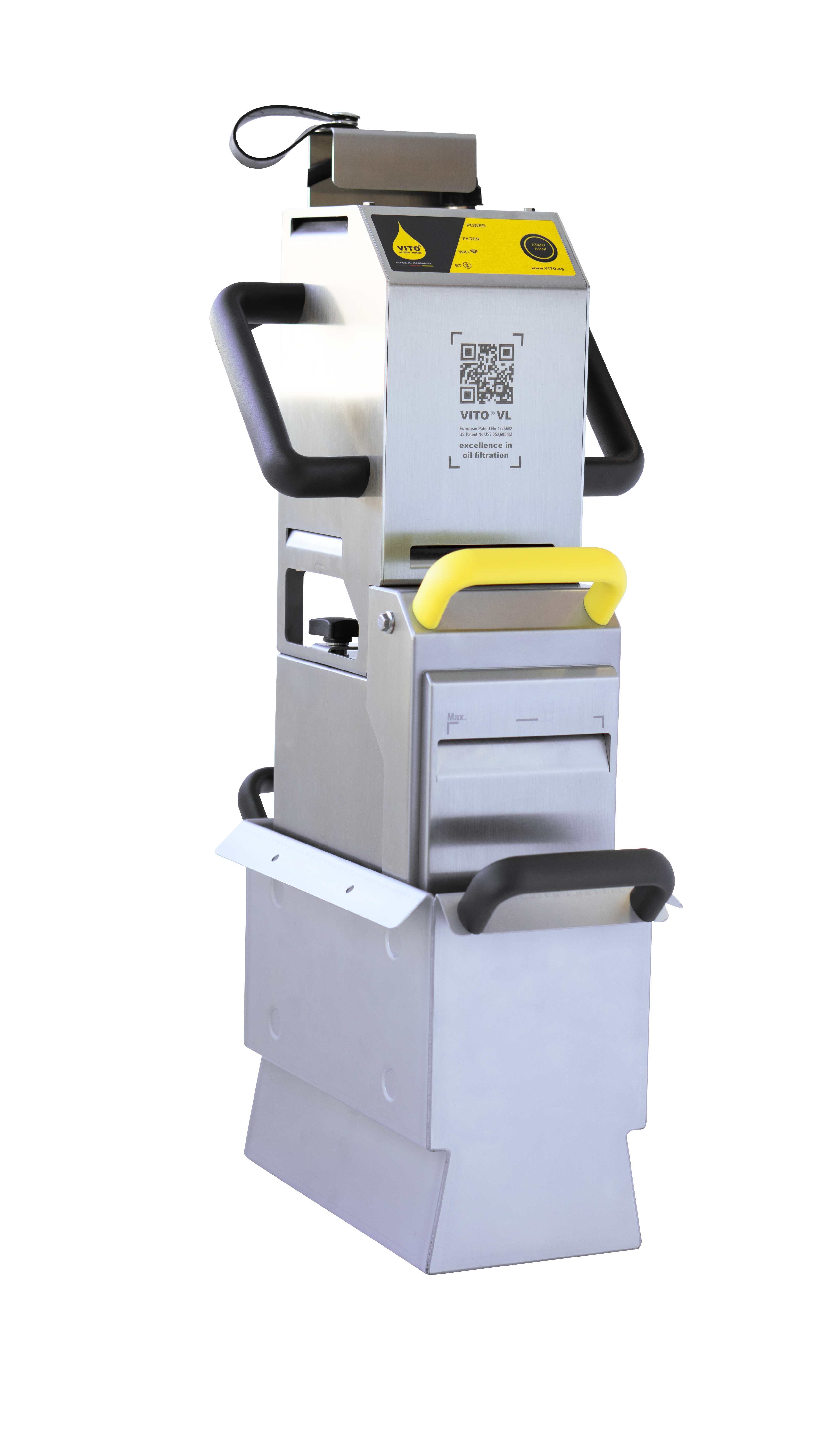
Many modern commercial cooking equipment models include built-in oil filtration systems that extend oil life and improve food consistency.
Temperature Monitoring
Ensure the fryer's temperature is consistently accurate. If it's too high or low, it can cause oil degradation and food quality problems.
Invest in a quality commercial thermometer to verify your fryer's temperature gauge is reading correctly.
| Oil Quality Indicator | What It Means | Action Required |
|---|---|---|
| Dark colour | Oil breakdown | Change immediately |
| Smoking at normal temp | Oil degradation | Change immediately |
| Foaming | Contamination or overuse | Filter or change |
| Off smell | Rancidity | Change immediately |
Safety Considerations for Commercial Fryer Cleaning
Working with commercial fryers involves significant safety risks. Always prioritize safety over speed when cleaning your equipment.
Never attempt to clean a hot fryer. Burns from hot oil or surfaces are among the most common kitchen injuries. Always ensure the unit is completely cool and unplugged where possible.
Wear appropriate personal protective equipment including heat-resistant gloves, closed-toe shoes, and safety glasses. Keep a Class K fire extinguisher nearby when working with cooking oil.
Conclusion: Invest in Your Fryer's Longevity
A deep clean of your commercial deep fryer is essential for both the longevity of your equipment and the quality of the food you serve. By following this step-by-step guide and performing regular maintenance, you can ensure that your fryer continues to operate efficiently and safely.
Not only will this improve food safety and product consistency, but it will also help save on repair costs in the long run. Clean, well-maintained equipment is also more valuable if you ever need to upgrade or sell.
By dedicating time to properly clean your deep fryer, you're investing in your business's reputation and the health of your customers. Regular maintenance demonstrates your commitment to quality and food safety standards.
Ready to upgrade your commercial kitchen? Explore our complete range of commercial cooking equipment, including energy-efficient fryers, commercial ovens, and benchtop equipment designed for Australian hospitality businesses. Our team can help you choose the right equipment for your kitchen's needs.


