


Collection:
Noodle Cookers
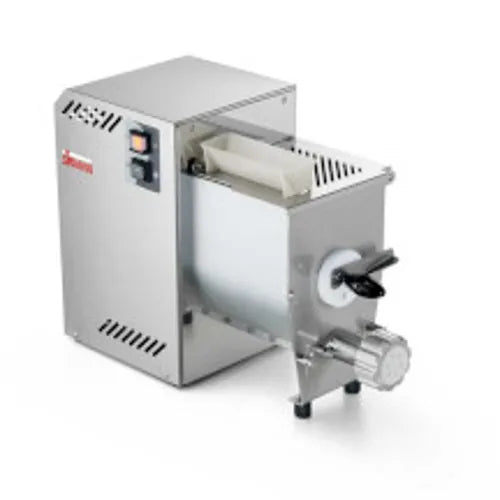
Noodle and pasta cookers are specialized commercial kitchen appliances designed for quickly and efficiently boiling noodles, pasta, dumplings, and similar items in high-volume foodservice settings. Used widely in Asian restaurants, Italian eateries, food courts, and catering operations, these cookers are engineered to maintain water temperature, reduce cooking times, and support consistent results during peak service periods.
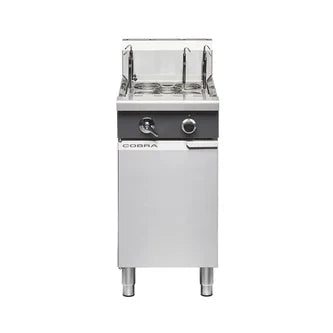
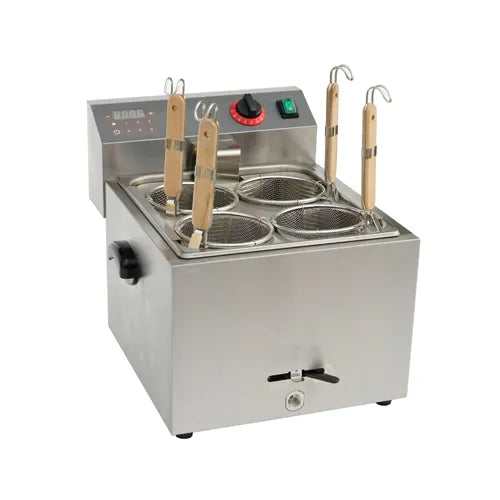
Available in gas and electric models, noodle cookers can be freestanding or countertop and often include multiple baskets for simultaneous cooking of different portions.
Key Features:
-
High Output Design: Rapid heating and recovery for continuous cooking
-
Multiple Baskets: Individual baskets allow for precise portion control and flexibility
-
Starch Removal/Overflow System: Helps keep water clean and clear by flushing out excess starch
-
Durable Construction: Built from stainless steel with reinforced tanks for longevity and easy cleaning
-
Automatic Refill & Water Level Control: Ensures safe and consistent water levels during extended operation
-
Gas or Electric Options: Flexible installation to suit kitchen layouts and utility access
From ramen bars and noodle houses to Italian kitchens and QSRs, these cookers are essential for streamlining pasta and noodle preparation without sacrificing texture or quality.



Choosing the Right Noodle Cookers for Your Business
What is the difference between a noodle cooker and a pasta cooker?
What is the difference between a noodle cooker and a pasta cooker?
Can I use one cooker for multiple types of noodles or pasta?
Can I use one cooker for multiple types of noodles or pasta?
Are commercial pasta cookers energy efficient?
Are commercial pasta cookers energy efficient?
How do starch removal systems work?
How do starch removal systems work?
Does Hospitality Connect supply noodle and pasta cookers?
Does Hospitality Connect supply noodle and pasta cookers?


