


Collection:
Knife Sharpeners & Steels
Keep every blade in your kitchen razor-sharp with our range of knife sharpeners and honing steels — essential tools for maintaining chef knives, kitchen knives and commercial blades across Australia.
Our collection includes electric knife sharpeners, manual pull-through sharpeners, sharpening stones, diamond steels and ceramic honing rods from trusted brands including Victorinox, Wüsthof, Global and F.Dick. Whether you need a quick edge touch-up on the line or a full re-grind, there's a sharpener for the job.
A well-maintained edge is safer, faster and kinder to your knives. Steel your chef knife daily to realign the edge, and sharpen periodically to restore the cutting angle — a sharp knife does the work so you don't force the blade.
Shop knife sharpeners and steels in Australia at Hospitality Connect, with fast dispatch from our Melbourne warehouse and trade pricing for commercial kitchens.
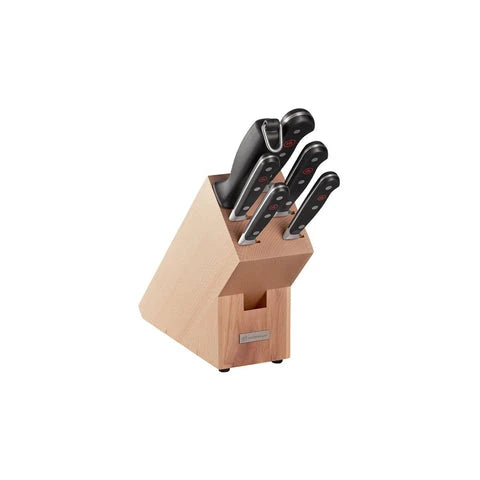

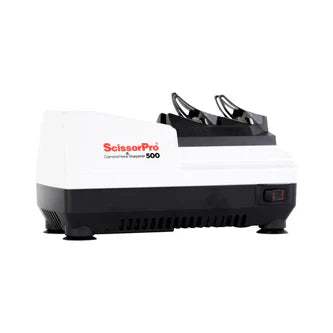




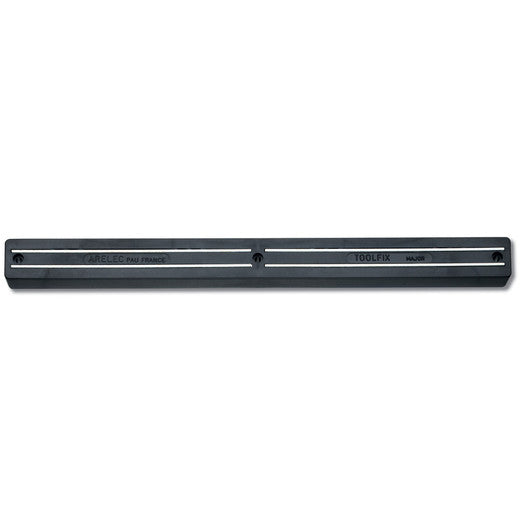




Choosing the Right Knife Sharpeners & Steels for Your Business
What’s the difference between a knife sharpener and a honing steel?
What’s the difference between a knife sharpener and a honing steel?
How often should I sharpen my knives?
How often should I sharpen my knives?
Can I use the same sharpening steel for all knives?
Can I use the same sharpening steel for all knives?
Are ceramic honing rods better than metal ones?
Are ceramic honing rods better than metal ones?
How do I know when my knife needs sharpening?
How do I know when my knife needs sharpening?


