

News

What are the Benifits of Melemine Dinerware
Have you ever wondered what makes melamine dinnerware so popular? Let's explore the benefits of using this durable and versatile material for your tableware needs. 1. Durability Melamine dinnerware is known for its exceptional durability, making it perfect for everyday use, outdoor dining, and even for children. It is resistant to breakage, chipping, and scratching, making it a long-lasting option for your tableware collection. 2. Lightweight Despite its durability, melamine dinnerware is surprisingly lightweight, making it easy to handle and transport. Whether you're hosting a picnic, a barbecue, or a casual dinner party, melamine dinnerware is a practical choice. 3. Versatility Melamine dinnerware comes in a wide range of designs, colors, and styles, allowing you to mix and match to create your own unique table setting. From elegant patterns to fun and whimsical designs, there is a melamine dinnerware set to suit every taste and occasion. 4. Heat Resistance Melamine dinnerware is heat-resistant, making it ideal for serving hot foods and liquids. You can confidently use melamine plates, bowls, and cups to serve your favorite dishes without worrying about warping or melting. 5. Easy to Clean One of the major benefits of melamine dinnerware is its ease of cleaning. It is dishwasher safe, making cleanup a breeze. Whether you're hosting a large gathering or simply enjoying a meal at home, melamine dinnerware makes the cleanup process quick and convenient. With its durability, lightweight construction, versatility, heat resistance, and easy cleaning, melamine dinnerware is a practical and stylish choice for any dining occasion. Consider adding melamine dinnerware to your tableware collection for a reliable and attractive dining experience. Hospitality Connect Kitchenware
Read moreNews

Master the Art of Asian Wok Cooking: Unleash Authentic Flavors
Unlock the Secrets of Asian Wok Cooking for Irresistible Flavors Are you ready to elevate your culinary skills and embark on a journey to the heart of Asian cuisine? Look no further than the versatile and time-tested Asian wok! With its rich history and ability to impart mouthwatering flavors, the wok is your gateway to creating authentic Asian dishes right in your own kitchen. Why Choose Asian Wok Cooking? The wok isn't just another kitchen utensil; it's a culinary powerhouse. Its unique shape and design allow for even heat distribution, ensuring that your ingredients are cooked to perfection every time. Whether you're stir-frying, steaming, deep-frying, or even smoking, the wok's versatility knows no bounds. Asian Wok Recipes: From Classics to Creative Creations Explore an array of tantalizing recipes inspired by diverse Asian cuisines, including Chinese, Thai, Japanese, Korean, and more. From the iconic stir-fried noodles to sizzling seafood dishes, there's something to satisfy every palate. Classic Stir-Fried Noodles: Indulge in the irresistible aroma of freshly cooked noodles tossed with vibrant vegetables and savory sauces. Customize your noodles with your favorite protein for a satisfying meal in minutes. Crispy Orange Chicken: Experience the perfect balance of sweet and tangy flavors with this beloved Chinese dish. Tender chicken pieces are coated in a crispy batter and drenched in a luscious orange sauce, creating a dish that's sure to impress. Sizzling Beef Bulgogi: Transport your taste buds to Korea with this mouthwatering dish featuring thinly sliced beef marinated in a symphony of flavors. Cooked to perfection in the wok, each bite is a harmonious blend of sweet, savory, and spicy notes. Thai Basil Stir-Fry: Elevate your stir-fry game with the aromatic flavors of Thai basil, garlic, and chili. This fragrant dish bursts with freshness and heat, making it a standout favorite among Thai cuisine enthusiasts. Mastering the Art of Asian Wok Cooking Ready to unleash your inner wok master? Follow these essential tips to achieve culinary perfection with your wok: Preheat Your Wok: Ensure your wok is thoroughly heated before adding ingredients to prevent sticking and ensure a beautifully seared exterior. Keep it Moving: Stir-fry with confidence by constantly moving your ingredients around the wok to prevent burning and achieve an even cook. Embrace High Heat: Don't be afraid to crank up the heat! High temperatures are essential for achieving that signature wok hei, or breath of the wok, imparting a smoky depth of flavor to your dishes. Master the Flip: Impress your friends and family by mastering the art of the wok flip. With a flick of the wrist, you can effortlessly toss your ingredients to perfection. Balance Flavors: Achieve harmony in your dishes by balancing sweet, sour, salty, and spicy flavors. Taste and adjust seasoning as needed to create a symphony of taste sensations. Experience the Magic of Asian Wok Cooking Today! With its unmatched versatility and ability to impart complex flavors, the Asian wok is a must-have tool for any aspiring home chef. Whether you're a seasoned cook or just starting out, embrace the art of wok cooking and embark on a culinary adventure that will delight your senses and impress your guests.

Elevate Your Kitchen with Gastronorm Pans: A Comprehensive Guide
If you're fitting out or upgrading a commercial kitchen in Australia, gastronorm pans are one of the most important investments you'll make. Used in restaurants, cafés, bakeries, catering operations, and food production facilities worldwide, GN pans are the global standard for food storage, cooking, and service — and for good reason. At Hospitality Connect, we supply a full range of commercial gastronorm pans to hospitality operators across Australia. This guide covers everything you need to know before you buy. What Are Gastronorm Pans? Gastronorm pans — also called GN pans or Gastro pans — are standardised containers designed for use in commercial kitchens. The sizing system was developed by the European Committee for Standardization (CEN) and is now the accepted global standard, ensuring pans are compatible across ovens, refrigerators, bain-maries, holding cabinets, and transport equipment from any manufacturer. That compatibility is the core value of the system. When your GN pans match your equipment, kitchen operations become faster, cleaner, and easier to manage. Gastronorm Pan Sizes: A Complete Guide GN pans are sized using a fractional system based on the full-size 1/1 pan. Here's a complete reference: GN Size Dimensions (mm) Common Uses 2/1 650 × 530 Large-scale cooking, high-volume storage 1/1 530 × 325 Standard oven trays, bain-marie inserts, refrigerator storage 1/2 325 × 265 Buffet service, half-rack applications 1/3 325 × 176 Salad bars, condiment stations, portioned prep 1/4 265 × 162 Garnishes, sauces, small-volume storage 1/6 176 × 162 Tight spaces, compact prep stations 1/9 108 × 176 Toppings, individual condiments GN Pan Depths Size is only half the picture — depth matters just as much for your application: Depth Common Use 20mm Shallow inserts, display trays 40mm General prep and storage 65mm Standard all-purpose depth 100mm Soups, sauces, bulk storage 150mm High-volume liquids, overnight storage 200mm Deep storage, large batch cooking Gastronorm Pan Materials: Which Should You Choose? Stainless Steel The most widely used material in commercial kitchens. Handles high temperatures, resists corrosion, cleans easily, and lasts for years under heavy use. Suitable for direct oven use, bain-maries, blast chillers, and commercial dishwashers. Best for: Cooking & hot holding Polycarbonate Transparent for easy content identification, lightweight and shatter-resistant. Ideal for cold storage and refrigeration. Not oven-safe. Best for: Cold storage & prep Porcelain & Melamine Offer a more aesthetic finish with good thermal insulation properties. Commonly used in buffet displays and front-of-house service setups. Best for: Buffet presentation What Are Gastronorm Pans Used For? Cooking Oven-safe stainless GN pans work with baking, roasting, steaming, and sous vide. They fit directly into combi ovens without adapters. Storage & Refrigeration Stack efficiently in cool rooms and refrigerators with tight-fitting lids. Clear polycarbonate options allow fast visual stock checks. Food Preparation Prep, label, store, and move mise en place in the same container — reducing handling time and cross-contamination risk. Buffet Service Drop into bain-maries and chafing dishes for hot or cold buffet service. Porcelain options elevate front-of-house presentation. Transport & Catering GN pans fit securely in Eutectic transport boxes and catering carriers — essential for catering and events businesses. Frequently Asked Questions What size is a 1/1 gastronorm pan? A full-size 1/1 GN pan measures 530mm × 325mm. It's the base size from which all other fractions are derived and is the most common size used in commercial kitchens. Are gastronorm pans oven safe? Stainless steel gastronorm pans are oven safe and suitable for high-temperature cooking. Polycarbonate and melamine pans are not oven safe and should only be used for cold storage or cold holding. What depth gastronorm pan do I need? For general all-purpose use, a 65mm depth is the most versatile. For soups and liquids, choose 100mm or 150mm. For display or shallow inserts, 20mm or 40mm works well. Are gastronorm pans dishwasher safe? Stainless steel GN pans are fully dishwasher safe. Polycarbonate pans are typically dishwasher safe on lower temperature cycles — check the manufacturer's specifications for your specific product. What's the difference between GN 1/2 and 1/3 pans? A 1/2 pan (325 × 265mm) is larger — two fit across a full-size rack. A 1/3 pan (325 × 176mm) is narrower — three fit across a 1/1 space — making it better suited for smaller portions or tighter setups. Buy Gastronorm Pans in Australia We stock a full range of stainless steel and polycarbonate GN pans with fast dispatch from our Sydney warehouse. Trade pricing available. Browse Gastronorm Pans Talk to Our Team

Bar Utensils Explaned At Hospitality Connect
```html When it comes to the world of hospitality, having the right bar utensils is essential for providing top-notch service. At Hospitality Connect, we take pride in offering a wide range of high-quality bar utensils to meet the needs of our customers. But what exactly are bar utensils, and why are they so important? What are Bar Utensils? Bar utensils are tools and equipment used in a bar setting to prepare and serve beverages. These utensils come in various shapes and sizes, each serving a specific purpose in the bartending process. From cocktail shakers to strainers, jiggers to muddlers, each utensil plays a crucial role in creating delicious drinks for patrons. Why are Bar Utensils Important? Having the right bar utensils is essential for bartenders to efficiently and effectively serve customers. Using the correct utensil can make a significant difference in the taste, presentation, and overall experience of a drink. For example, using a jigger ensures accurate measurements, while a strainer helps remove ice and pulp from cocktails. Types of Bar Utensils There are a wide variety of bar utensils available, each serving a specific function. Some common types of bar utensils include: Cocktail Shaker Jigger Strainer Muddler Bar Spoon These utensils, along with many others, are essential tools for any bartender looking to create high-quality drinks for their customers. Get the Best Bar Utensils at Hospitality Connect At Hospitality Connect, we understand the importance of having the right tools for the job. That's why we offer a wide selection of bar utensils to meet the needs of bartenders and hospitality professionals. Whether you're looking for a new cocktail shaker or a quality jigger, we have you covered. Visit Hospitality Connect today to browse our collection of bar utensils and elevate your bartending game! ```

Where to buy Warewashing Racks and what Type best suits me
When it comes to maintaining a clean and organized kitchen in the hospitality industry, having the right equipment is essential. One key piece of equipment that can make a big difference in the efficiency of your kitchen operations is a warewashing rack. At Hospitality Connect, you can find a wide range of warewashing racks in different styles to suit your specific needs. What are the benefits of using warewashing racks? Warewashing racks are designed to hold and organize dishes, glasses, and utensils during the washing and drying process. By using warewashing racks, you can maximize the space in your dishwasher, ensure that items are thoroughly cleaned, and prevent breakage or damage to delicate items. What styles of warewashing racks are available at Hospitality Connect? Hospitality Connect offers a variety of warewashing racks to meet the diverse needs of different businesses. From glass racks and plate racks to flatware racks and cup racks, you can find the perfect style to suit your specific requirements. Whether you need to wash a large quantity of glasses or delicate china, there is a warewashing rack available to help you get the job done efficiently. How do I choose the right warewashing rack for my business? When selecting a warewashing rack for your business, consider factors such as the size and shape of your dishes, glasses, and utensils, as well as the capacity of your dishwasher. It's important to choose a rack that is compatible with your existing equipment and can accommodate the items you need to wash on a daily basis. If you're unsure about which rack is best for your needs, the experts at Hospitality Connect can help you find the perfect solution. Investing in high-quality warewashing racks can help streamline your kitchen operations, improve efficiency, and ensure that your dishes are always clean and ready for service. Explore the various styles of warewashing racks available at Hospitality Connect and take your kitchen to the next level. When it comes to keeping your kitchen organized and efficient, warewashing racks are essential. These racks are designed to hold dishes, glasses, and utensils securely in place during the washing process, making it easier to clean and sanitize your kitchen items. But where can you find these racks, and which type is best suited for your needs? Commercial Kitchen Supply Stores One of the best places to find a wide selection of warewashing racks is at commercial kitchen supply stores. These stores specialize in providing high-quality equipment for restaurants, catering businesses, and other food service establishments. You can find a variety of rack sizes, materials, and configurations to suit your specific needs. Online Retailers If you prefer the convenience of shopping from home, online retailers offer a vast array of warewashing racks for purchase. You can easily compare prices, read reviews, and choose from different brands and styles without leaving your kitchen. Many online retailers also offer fast shipping options for added convenience. Restaurant Equipment Suppliers For those in the food service industry, restaurant equipment suppliers are another great option for purchasing warewashing racks. These suppliers often carry a wide range of commercial-grade racks that are designed to withstand the demands of a busy kitchen. You can also receive expert advice on which type of rack is best suited for your specific kitchen setup. Choosing the Right Type of Rack When selecting a warewashing rack, consider factors such as size, material, and configuration. For example, if you have limited space in your kitchen, a compact rack may be the best option. If you need to wash delicate glassware, a rack with soft dividers or compartments may be more suitable. By assessing your specific needs, you can choose the right type of rack to optimize your kitchen's efficiency. ```

What are the different types of Food storage Containers
When it comes to storing food, having the right containers is essential. There are several types of food storage containers available on the market, each designed for specific purposes. Let's explore the different types of food storage containers and their unique features. Plastic Containers Plastic containers are one of the most common types of food storage containers. They are lightweight, durable, and come in various shapes and sizes. These containers are perfect for storing leftovers, meal prepping, and organizing pantry items. Look for BPA-free plastic containers to ensure food safety. Glass Containers Glass containers are a popular choice for food storage due to their non-toxic nature and ability to retain flavors. They are microwave and oven-safe, making them ideal for reheating food. Glass containers are also environmentally friendly as they can be reused and recycled. Stainless Steel Containers Stainless steel containers are known for their durability and resistance to corrosion. They are great for storing both hot and cold foods, making them versatile for meal storage. Stainless steel containers are also eco-friendly and free from harmful chemicals found in some plastics. Silicone Containers Silicone containers are a flexible and lightweight option for food storage. They are collapsible, making them easy to store when not in use. Silicone containers are microwave and freezer-safe, making them convenient for meal prep and leftovers. They are also dishwasher safe for easy cleaning. Mason Jars Mason jars are a classic choice for food storage, especially for preserving jams, pickles, and sauces. They are made of glass and come in various sizes, making them versatile for storing both liquids and solids. Mason jars are also great for meal prepping salads and overnight oats. Each type of food storage container has its own unique benefits and uses. Consider your storage needs and preferences when choosing the right containers for your kitchen. Whether you prefer plastic, glass, stainless steel, silicone, or mason jars, having a variety of food storage containers on hand can help you keep your kitchen organized and your food fresh.
Hospitality Equipment
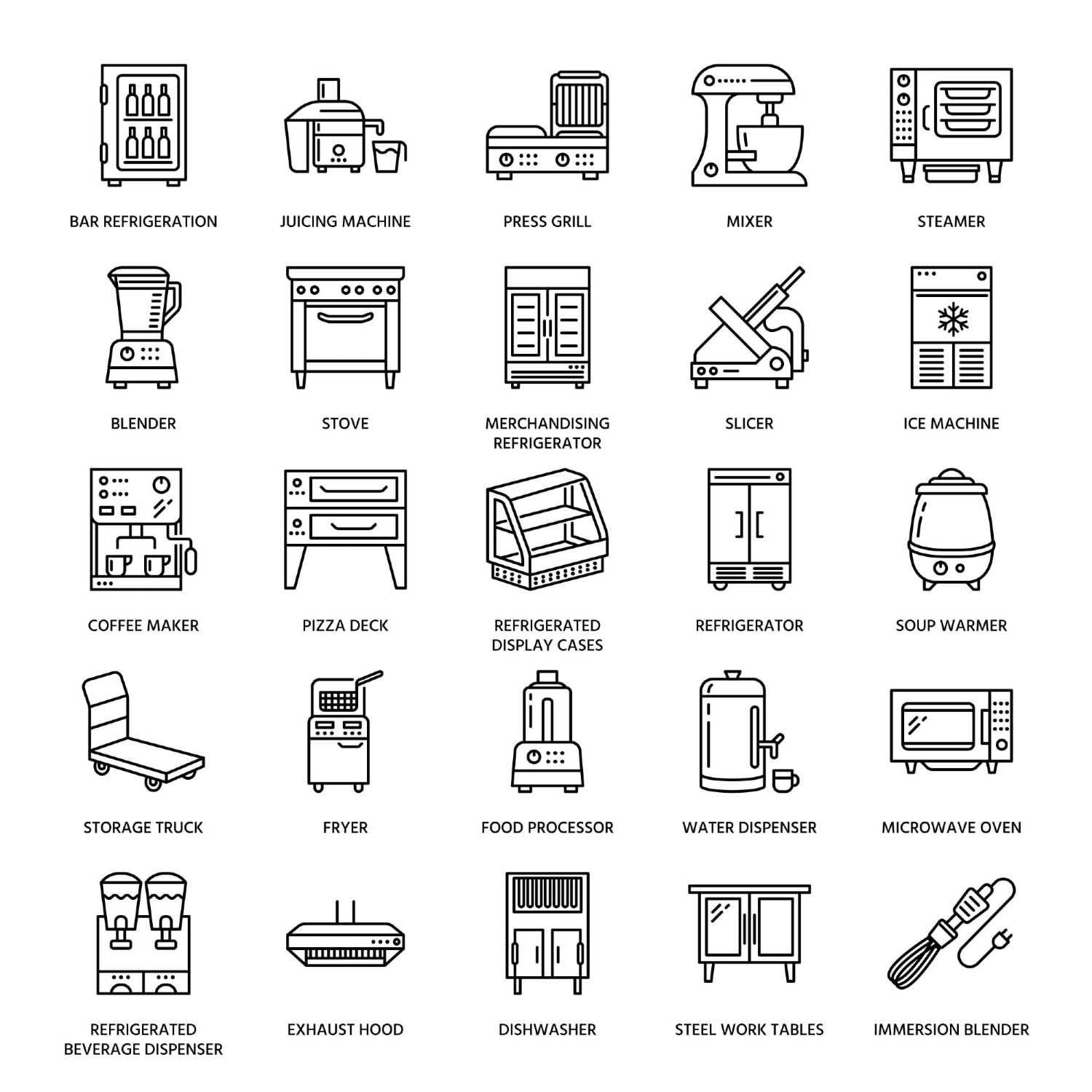
Are you looking to optimize your commercial kitchen's performance? Look no further! Our range of Commercial Cooking Equipment, Refrigeration, and Dishwashers are designed to help you streamline your operations and boost productivity. Efficient Cooking Equipment Investing in high-quality cooking equipment can make a significant difference in your kitchen's efficiency. Our commercial-grade stoves, ovens, and grills are built to withstand the demands of a busy kitchen, allowing you to cook multiple dishes simultaneously with precision and speed. Reliable Refrigeration Solutions Proper refrigeration is essential for preserving ingredients and preventing food spoilage. Our refrigeration units are designed to maintain consistent temperatures, ensuring that your perishable items stay fresh for longer periods. With our reliable refrigeration solutions, you can minimize waste and maximize your kitchen's efficiency. Effective Dishwashing Systems Keeping your kitchen clean is crucial for food safety and overall efficiency. Our dishwashing systems are designed to handle high volumes of dishes quickly and effectively. With features like rapid cycles and energy-efficient operation, our dishwashers can help you maintain a clean and organized kitchen without wasting time or resources. By investing in our Commercial Cooking Equipment, Refrigeration, and Dishwashers, you can take your kitchen operations to the next level. Maximize efficiency, reduce downtime, and improve overall productivity with our reliable and high-performance kitchen solutions. https://hospitalityconnect.com.au/

The History of the Fork
Have you ever stopped to think about the humble fork? That trusty utensil that helps us shovel food into our mouths with ease. But where did it come from? How did it evolve into the modern-day fork we know and love? Let's dig into the fascinating history of the fork! From Two Prongs to Four: The Evolution of the Fork Believe it or not, the fork wasn't always the multi-pronged wonder we see today. In ancient times, forks only had two prongs and were primarily used for cooking or serving food. It wasn't until the Middle Ages that the fork started to gain popularity as a dining utensil. As the fork made its way across Europe, it began to take on different shapes and sizes. Some forks had three prongs, while others had four. The design of the fork continued to evolve, with different regions putting their own unique spin on this essential tool. Fork Etiquette: The Rise of Table Manners With the increasing popularity of the fork, a new concept emerged: table manners. People started to pay more attention to how they ate, using forks to delicately pick up their food instead of using their hands. The fork became a symbol of refinement and sophistication. By the 18th century, forks had become a staple at dining tables across Europe. Different types of forks were used for different types of food, from meat to dessert. Fork etiquette became an important part of social gatherings, with people judged on their ability to wield this tiny tool with grace. Fork Lore: Myths and Legends Throughout history, the fork has been surrounded by myths and legends. In some cultures, it was believed that using a fork would bring bad luck or even death. Others saw the fork as a symbol of wealth and status, reserved only for the elite. One famous legend tells the story of a Venetian noblewoman who introduced the fork to Italy after marrying a Byzantine prince. The Italians were scandalized by her use of the fork, but she persisted, eventually popularizing this revolutionary utensil across the country. The Fork Today: A Modern Marvel Today, the fork is an essential part of our daily lives. From fine dining to casual meals, we rely on this simple tool to help us enjoy our food with ease. The fork may have humble beginnings, but its journey through history has been nothing short of extraordinary. So next time you pick up a fork to take a bite of your favorite meal, remember the centuries of history that have led to that moment. The fork may be small, but its impact on our lives is immeasurable.

How to Select the Best Glass for serving Drinks
When it comes to enjoying a refreshing beverage, the type of glass you use can greatly impact the overall drinking experience. Different types of glasses are designed to enhance the aroma, flavor, and presentation of various drinks. Let's dive into the world of drinkware and explore the different types of glasses commonly used for serving beverages. 1. Wine Glasses Wine glasses come in various shapes and sizes, each designed to complement different types of wine. For example, red wine glasses typically have a larger bowl to allow the wine to breathe and enhance its flavors, while white wine glasses have a narrower bowl to preserve the wine's delicate aromas. 2. Cocktail Glasses From martini glasses to highball glasses, cocktail glasses are designed to showcase the unique characteristics of each cocktail. The shape of the glass can influence the temperature and dilution of the drink, as well as the overall drinking experience. 3. Beer Glasses Beer glasses come in a variety of styles, including pint glasses, pilsner glasses, and beer mugs. Each type of beer glass is designed to enhance the aroma, flavor, and carbonation of different beer styles, providing a more enjoyable drinking experience. 4. Whiskey Glasses Whiskey glasses, such as Glencairn glasses or old-fashioned glasses, are specifically designed to enhance the aroma and taste of whiskey. The shape of the glass can help concentrate the whiskey's aromas, allowing you to fully appreciate its complexity. 5. Champagne Flutes Champagne flutes are tall, narrow glasses designed to preserve the bubbles and effervescence of champagne or sparkling wine. The elongated shape helps maintain the carbonation and allows you to fully enjoy the visual appeal of the bubbles rising to the top. Next time you pour yourself a drink, consider using the appropriate type of glass to elevate your drinking experience. Whether you're sipping on wine, cocktails, beer, whiskey, or champagne, the right glass can make all the difference in how the drink tastes and smells. Cheers to exploring the world of drink glasses!

Why we sell Commercial Kitchenware in Bulk
Why do we sell commercial kitchenware in bulk? This is a common question that we receive, and we are here to provide you with the answers. 1. Cost Efficiency Buying commercial kitchenware in bulk allows us to offer our customers significant cost savings. By purchasing in large quantities, we are able to negotiate better prices with suppliers and pass those savings on to you. 2. Convenience For businesses in the food industry, having a steady supply of kitchenware is essential. By purchasing in bulk, you can ensure that you always have the necessary tools and equipment on hand to keep your operations running smoothly. 3. Quality Assurance When you buy commercial kitchenware in bulk from us, you can rest assured that you are getting high-quality products. We work with trusted suppliers to ensure that all items meet our strict quality standards. 4. Variety By purchasing in bulk, you have access to a wide range of commercial kitchenware options. Whether you need pots, pans, utensils, or appliances, we have you covered with our extensive selection. 5. Sustainability Buying in bulk can also have environmental benefits. By reducing the amount of packaging and transportation required for individual orders, we can help minimize our carbon footprint and promote sustainability.

What is a Rolling Pin
Have you ever wondered what that long, cylindrical object in your kitchen drawer is for? No, it's not a makeshift baseball bat for when the zombies attack (although that would be handy). It's actually a rolling pin! But what exactly is a rolling pin, and why should you care? What is a Rolling Pin? A rolling pin is a kitchen tool used to flatten and shape dough for baking. It's like a mini steamroller for your cookie dough, pizza crust, or pie crust. Just roll it back and forth over the dough, and voila! You've got a perfectly flat and even surface ready for the oven. Why Should You Care? Well, if you're a fan of baked goods (and who isn't?), a rolling pin is essential for achieving that perfect texture and thickness in your dough. Plus, it's a great arm workout! Who needs the gym when you can just bake some bread instead? Types of Rolling Pins There are different types of rolling pins to choose from, including traditional wooden pins, sleek marble pins, and even fancy French-style pins with tapered ends. Each type has its own unique benefits and quirks, so pick the one that suits your baking style (and personality) best. So, the next time you're in the kitchen and you spot that trusty rolling pin, give it a little wink and a nod. It may just be a simple tool, but it's the secret weapon behind all your favorite baked treats. And remember, when life gets tough, just keep rolling! Hospitality connect Kitchenware

Commercial Kitchenware vs Domestic Kitchenware
When it comes to outfitting a kitchen, the choice between commercial and domestic kitchenware can make a big difference in the efficiency and quality of your cooking. Let's explore the key differences between these two types of kitchenware. Quality and Durability Commercial kitchenware is designed to withstand the rigors of a professional kitchen environment, where it is used day in and day out. This means that commercial kitchenware is typically made from higher quality materials and is more durable than domestic kitchenware. On the other hand, domestic kitchenware is often designed for occasional use at home, which may not require the same level of durability as commercial kitchenware. While domestic kitchenware can still be high quality, it may not be as robust as its commercial counterpart. Size and Capacity Commercial kitchenware is generally larger in size and has a higher capacity than domestic kitchenware. This is because commercial kitchens often need to prepare large quantities of food quickly and efficiently. Commercial pots, pans, and utensils are designed to handle these larger volumes. Domestic kitchenware, on the other hand, is typically smaller in size and has a lower capacity. This is more suitable for home cooks who are preparing meals for a smaller number of people. Price and Availability Commercial kitchenware tends to be more expensive than domestic kitchenware due to its higher quality and durability. However, the investment in commercial kitchenware can pay off in the long run, as it is built to last and withstand heavy use. Domestic kitchenware is more widely available and comes in a range of price points to suit different budgets. While it may not be as durable as commercial kitchenware, domestic kitchenware can still be a good option for home cooks. In conclusion, the choice between commercial and domestic kitchenware ultimately depends on your specific needs and cooking habits. If you are a professional chef or cook frequently for large groups, investing in commercial kitchenware may be the best option. However, if you primarily cook at home for a smaller number of people, domestic kitchenware may be more suitable. Consider the quality, size, capacity, price, and availability of each type of kitchenware before making your decision.

How to choose a chefs Jacket
When it comes to the culinary world, a chef's jacket is an essential piece of attire. But with so many options available, how do you choose the best one for you? Material Matters The material of a chef's jacket can greatly impact your comfort in the kitchen. Look for jackets made from breathable fabrics like cotton or a cotton-polyester blend. These materials will help keep you cool while you're working hard in a hot kitchen. Fit for Function It's important to find a chef's jacket that fits well and allows you to move freely. Look for jackets with roomy sleeves and a comfortable collar. A jacket that is too tight or restrictive can hinder your ability to work efficiently. Style and Design While functionality is key, style is also important. Choose a chef's jacket that reflects your personal taste and the image you want to portray in the kitchen. Whether you prefer a classic double-breasted jacket or a more modern, fitted style, there are options to suit every preference. Consider the Details Pay attention to the small details when selecting a chef's jacket. Features like double stitching for durability, reinforced buttons, and convenient pockets for tools can make a big difference in your day-to-day work. Top Picks Based on expert reviews and customer feedback, some top contenders for the best chef's jacket include brands like, Chef Works, and Happy Chef. These brands are known for their quality, durability, and comfort. Remember, the best chef's jacket for you will ultimately depend on your personal preferences and needs in the kitchen. Take the time to research and try on different options to find the perfect fit for your culinary adventures.