

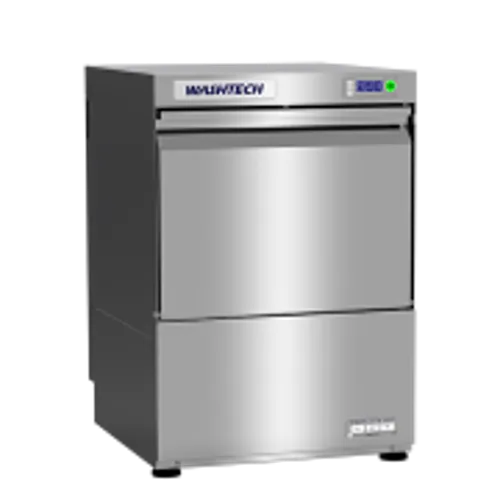
If you run a busy kitchen, choosing the right commercial dishwasher can save you time, money, and effort. But how does a commercial dishwasher compare to a domestic dishwasher, and which one is right for your business? Understanding the key differences will help you make an informed decision that supports your operation's efficiency and hygiene standards.
In this guide, we'll explore how commercial dishwashers work, compare them to domestic models, and help you choose the right solution for your foodservice business.
How Does a Commercial Dishwasher Work?
A commercial dishwasher is engineered for speed, efficiency, and hygiene—making it essential for restaurants, cafés, and foodservice businesses. Unlike domestic models designed for home use, commercial units are built to handle high-volume operations while meeting strict health and safety standards.
Here's what sets commercial dishwashers apart:
Faster Wash Cycles for High-Volume Operations
Unlike domestic dishwashers that take 30-90 minutes per cycle, a commercial dishwasher completes a wash in just 60-120 seconds. This rapid turnaround is critical for busy kitchens that need clean dishes, glassware, and utensils back in circulation quickly.
Whether you're running a café during morning rush or a restaurant during dinner service, speed matters. Commercial units keep up with demand without creating bottlenecks in your workflow.
High-Temperature Rinse for Superior Sanitization
Commercial dishwashers rinse at 75-85°C, ensuring thorough sanitization by killing bacteria and pathogens. This high-temperature rinse also helps dishes dry faster without the need for towels, reducing cross-contamination risks.
This feature is particularly important for businesses handling glassware and dinnerware in customer-facing environments where hygiene is paramount.
Automatic Chemical Dispensing System
Commercial dishwashers come with an auto-dispensing system that delivers the precise amount of detergent and rinse aid for each cycle. This eliminates guesswork, reduces chemical waste, and ensures consistent cleaning results.
Over time, this automation saves money on cleaning chemicals and reduces the labour involved in manual dosing—especially important when you're managing a busy kitchen team.
Auto Drainage and Large Waste Filters
Most commercial dishwashers include automatic drainage systems and large waste filters designed to handle food debris without clogging. This keeps your dishwasher running smoothly throughout service and minimizes downtime for maintenance.
The robust filtration system is essential when you're washing everything from cookware to serving platters with varying levels of food residue.
Easy Maintenance and Cleaning
Designed for high-use commercial environments, these dishwashers feature removable components and simple cleaning processes. This makes daily maintenance quick and hassle-free, so your team can focus on food preparation rather than equipment upkeep.
How Do Domestic Dishwashers Compare?
A domestic dishwasher is designed for household use and simply doesn't have the capacity or specifications needed in a commercial setting. While they work well in home kitchens, they fall short in foodservice environments.
Here's why domestic models aren't suitable for commercial operations:
| Feature | Commercial Dishwasher | Domestic Dishwasher |
|---|---|---|
| Cycle Time | 60-120 seconds | 30-90 minutes |
| Rinse Temperature | 75-85°C | 50-60°C |
| Chemical Dispensing | Automatic | Manual |
| Capacity | High-volume | Limited |
| Sanitization Level | Commercial-grade | Household-grade |
Longer Wash Times
Domestic dishwashers take 30-90 minutes per cycle, making them completely impractical for high-volume operations. In a busy café or restaurant, this would create severe bottlenecks and force you to stock excessive quantities of dishes.
Lower Temperature Rinse
Domestic models typically rinse at 50-60°C, which may not be hot enough to fully sanitize dishes according to food safety standards. This lower temperature can also leave dishes wet, requiring manual drying with towels.
Manual Chemical Addition
Without an automatic dispenser, detergent and rinse aid must be added manually for each cycle. This leads to inconsistent results, potential chemical waste, and additional labour time.
Smaller Capacity and Durability Issues
Domestic dishwashers hold fewer dishes and aren't built to withstand the constant use required in commercial kitchens. They're more likely to break down under heavy workloads, leading to costly repairs and downtime.
Choosing the Right Commercial Dishwasher
When upgrading to a commercial dishwasher, several factors will influence which model is right for your business. Consider these key elements before making your purchase:
Available Space and Layout
Ensure your kitchen layout can accommodate a commercial unit. Options include under-bench models for compact spaces, pass-through dishwashers for larger operations, or conveyor-style units for high-volume establishments.
Proper placement is crucial—you'll want to position your dishwasher to create an efficient workflow from dirty dish collection to clean dish storage.
What You're Washing
Are you primarily cleaning cutlery, plates, glasses, or large cookware? Different dishwashers are optimized for different items. Some models feature adjustable racks or specialized cycles for delicate glassware.
Understanding your specific washing needs will help you select a machine with the right capacity and features.
Usage Frequency and Volume
High-volume kitchens need robust dishwashers with faster cycles and higher capacity. Calculate your peak service periods and estimate how many racks you'll need to wash per hour.
For busy restaurants and cafés, investing in a faster, more durable model pays for itself through improved efficiency and reduced labour costs.
Water and Energy Efficiency
Modern commercial dishwashers are designed to be water and energy efficient, which reduces operating costs over time. Look for models with efficient heating systems and water consumption ratings that suit your sustainability goals.
Key Takeaways
- Commercial dishwashers complete cycles in 60-120 seconds versus 30-90 minutes for domestic models
- High-temperature rinse at 75-85°C ensures proper sanitization and faster drying
- Automatic chemical dispensing reduces waste and ensures consistent cleaning results
- Commercial units are built for durability and can handle high-volume operations
- Choose your dishwasher based on space, washing needs, and usage frequency
Additional Considerations for Your Commercial Kitchen
Beyond the dishwasher itself, consider how this equipment fits into your broader dishwashing and cleaning setup. You'll need appropriate stainless steel work benches for dish sorting and a proper drainage system.
Don't forget about chemical storage and staff training on proper operation and maintenance. A well-integrated warewashing area improves efficiency and helps maintain hygiene standards throughout your kitchen.
Ready to Upgrade Your Dishwashing Equipment?
Choosing between a commercial and domestic dishwasher isn't really a choice for serious foodservice businesses—commercial units are essential for maintaining speed, hygiene, and efficiency in busy kitchens.
At Hospitality Connect, we specialize in café equipment and commercial kitchen solutions for Australian businesses. Our team can guide you in selecting the best commercial dishwasher for your operation, considering your space, budget, and specific washing needs.
Contact us today to discuss your dishwashing requirements and find the perfect solution for your commercial kitchen.


