


Collection:
Dishwashing & Cleaning
At Hospitality Connect, we understand that hygiene and efficiency are at the heart of every successful food business. That’s why we supply a premium range of commercial dishwashing and cleaning equipment designed to meet the toughest demands of restaurants, cafés, hotels, and catering operations.
Our curated selection includes:
-
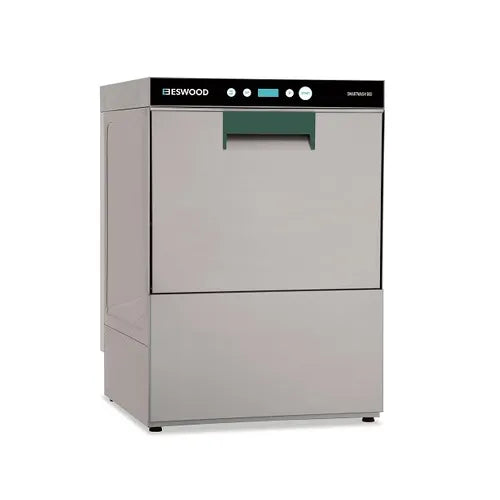
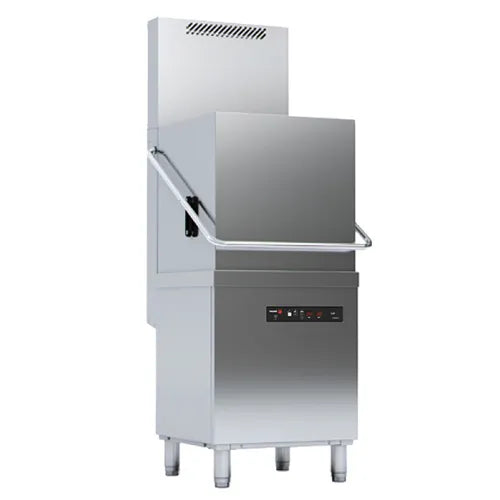
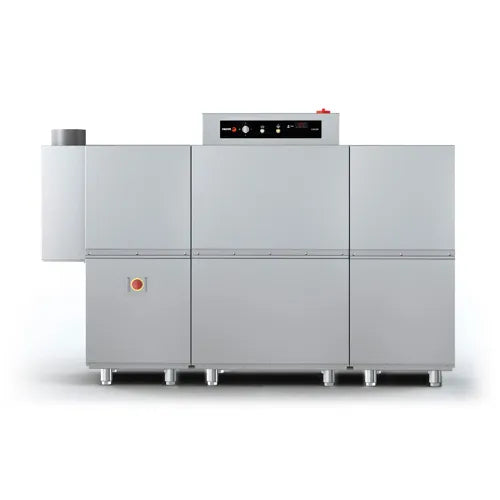
Commercial Dishwashers – fast, efficient, and capable of handling high volumes.
-
Glasswashers – ensure sparkling, streak-free glassware every time.
-
Pot & Utensil Washers – heavy-duty machines built for large, stubborn loads.
-
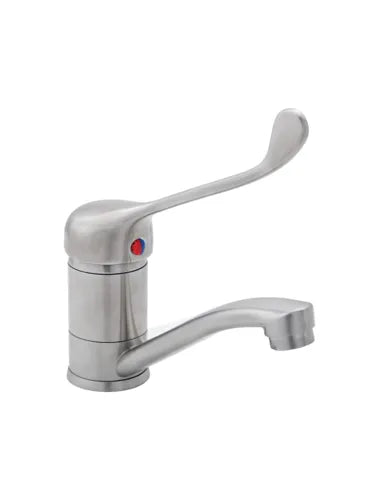
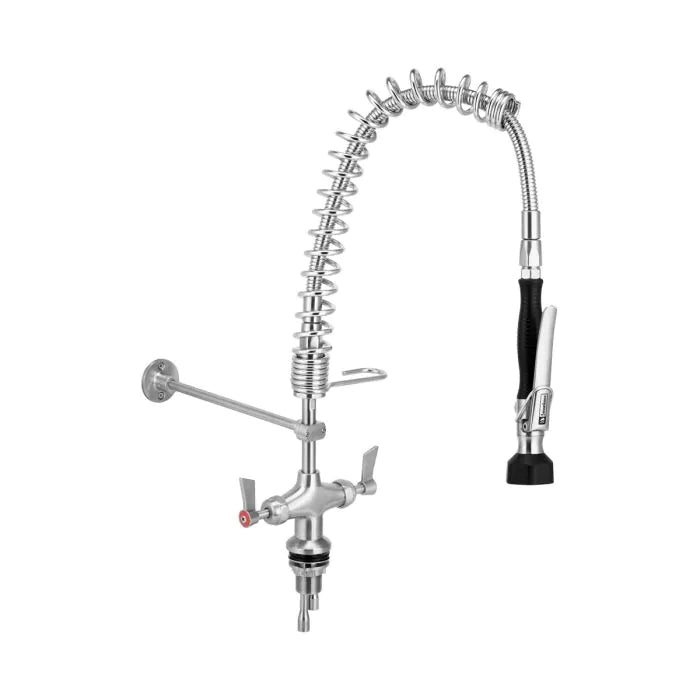
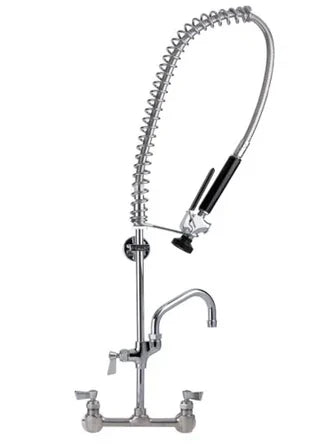
Cleaning Solutions & Accessories – from sinks and pre-rinse units to hygiene systems that keep your kitchen compliant with health regulations.
When you purchase through Hospitality Connect, you not only gain access to top-performing equipment but also expert advice, warranty support, and installation services to ensure your kitchen operates at peak hygiene and efficiency.





Choosing the Right Dishwashing & Cleaning for Your Business
Why do I need commercial dishwashing equipment instead of a domestic dishwasher?
Why do I need commercial dishwashing equipment instead of a domestic dishwasher?
What types of dishwashers are available?
What types of dishwashers are available?
How do commercial glasswashers differ from dishwashers?
How do commercial glasswashers differ from dishwashers?
Are your machines energy and water efficient?
Are your machines energy and water efficient?
Do you offer installation and servicing?
Do you offer installation and servicing?


