

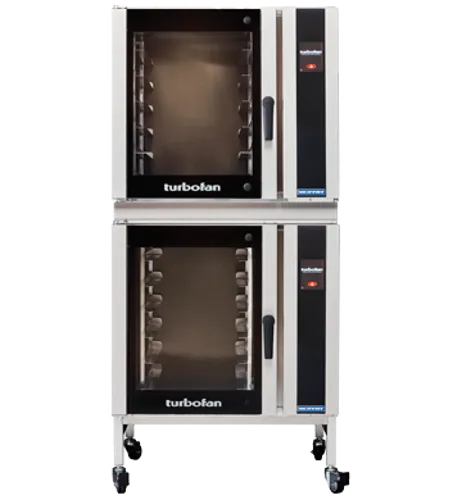
When launching a food business, whether it's a café, bakery, or restaurant, choosing the right equipment is crucial to success. Many startup owners consider using a domestic oven to cut costs, but investing in a commercial convection oven can significantly improve efficiency, consistency, and overall business performance.
This guide explains why a commercial convection oven is the smarter choice for your startup and outlines the key factors you should consider before making your purchase.
Why Choose a Commercial Convection Oven Over a Domestic Oven?
The difference between commercial and domestic ovens goes far beyond price. Here's what sets commercial convection ovens apart and why they're essential for professional kitchens.
1. Superior Cooking Performance
Commercial convection ovens are engineered for high-volume cooking, delivering even heat distribution with powerful fan systems. This ensures food is cooked faster and more consistently compared to domestic ovens, which often have uneven hot spots and struggle with large batches.
The consistent temperature control in commercial units means every dish meets your quality standards, whether you're baking the first tray of the day or the fiftieth.
2. Increased Capacity
Unlike domestic ovens, commercial convection ovens come with larger tray sizes and multiple racks, allowing you to bake or roast significantly more food at once. This increased capacity is essential for meeting customer demand during peak service periods without delays.
Whether you're running a busy bakery, café, or restaurant, the ability to prepare multiple orders simultaneously directly impacts your bottom line.
3. Built for Heavy-Duty Use
Domestic ovens are designed for occasional home use, whereas commercial convection ovens are built to withstand long hours of continuous operation every day. They feature robust stainless steel construction, superior insulation, and commercial-grade components that dramatically reduce the risk of breakdowns.
This durability translates to lower maintenance costs and fewer service interruptions that could impact your business operations.
4. Compliance with Health and Safety Standards
Most health regulations in Australia require commercial kitchens to use certified commercial equipment. Using a domestic oven in a professional food service setting may not comply with industry standards, which could result in failed health inspections, fines, or even closure orders.
Commercial convection ovens are designed and certified to meet strict food safety regulations, giving you peace of mind during inspections.
Key Takeaways
- Commercial convection ovens deliver faster, more consistent cooking results than domestic models
- Greater capacity allows you to meet high-volume demand during busy service periods
- Heavy-duty construction ensures reliable daily operation for years
- Certified commercial equipment helps you meet health and safety compliance requirements
Commercial vs Domestic Ovens: A Direct Comparison
Understanding the practical differences between commercial and domestic ovens helps justify the investment for your startup business.
| Feature | Commercial Convection Oven | Domestic Oven |
|---|---|---|
| Heat Distribution | Even, fan-forced circulation | Uneven with hot spots |
| Daily Usage Capacity | 8-12+ hours continuous operation | 1-2 hours occasional use |
| Tray Capacity | Multiple full-size racks (4-10+ trays) | 1-2 standard racks |
| Warm-Up Time | 10-15 minutes | 15-25 minutes |
| Compliance | Meets commercial health standards | Not certified for commercial use |
| Durability | Heavy-duty, long lifespan | Light-duty, shorter lifespan |
Key Considerations When Choosing a Commercial Convection Oven
Before purchasing your oven, carefully evaluate these important factors to ensure you select the right model for your specific business needs.
1. Power Supply: Gas vs Electric
Your choice between gas and electric will depend on your kitchen infrastructure, running costs, and operational preferences.
Gas convection ovens heat up quickly and typically offer lower operating costs in locations with affordable gas supply. They're ideal for high-heat applications and provide excellent moisture control for certain cooking styles.
Electric convection ovens offer precise temperature control and are easier to install, making them perfect for kitchens without existing gas lines. They also tend to provide more consistent heat distribution with simpler temperature calibration.
2. Tray Size and Capacity
Verify that the tray size matches your business requirements. Standard Gastronorm (GN) trays are common in commercial cooking equipment, but bakeries often require specific sheet pan sizes.
Larger capacity means greater efficiency during peak hours, allowing you to prepare more food simultaneously. Consider your projected daily volume when selecting oven size to avoid creating a production bottleneck.
3. Ventilation Requirements: Do You Need a Canopy?
Most commercial convection ovens require proper ventilation to remove excess heat, moisture, and cooking vapours. Depending on your local council regulations and the oven's BTU output or power rating, you may need a canopy extraction hood to comply with Australian safety standards.
Always consult with your local health department and a qualified commercial kitchen designer before installation to ensure full compliance and avoid costly retrofits.
4. Warm-Up Time
Commercial convection ovens generally heat up within 10-15 minutes, significantly faster than many domestic ovens. This reduced preheating time minimises downtime and improves kitchen efficiency, especially important during busy morning preparation or between service periods.
Faster warm-up times also reduce energy waste and allow for more flexible scheduling of kitchen operations.
5. Cleaning and Maintenance
Regular cleaning extends the lifespan of your oven and maintains food quality standards. When evaluating models, look for features that simplify maintenance.
Choose ovens with removable racks and drip trays for easy cleaning, self-cleaning functions to reduce manual labour, and stainless steel interiors that resist grease buildup and are easier to sanitise.
Establish a daily cleaning routine: wipe down the interior after each service, use a mild commercial degreaser for stubborn stains, and check ventilation filters weekly to maintain optimal performance.
| Maintenance Task | Frequency | Importance |
|---|---|---|
| Wipe interior surfaces | Daily | Prevents buildup and maintains hygiene |
| Deep clean with degreaser | Weekly | Removes stubborn residue |
| Check and clean ventilation filters | Weekly | Maintains airflow efficiency |
| Inspect door seals | Monthly | Ensures energy efficiency |
| Professional service check | Annually | Prevents major breakdowns |
Making the Right Investment for Your Startup
While a domestic oven may appear to be a cost-saving option initially, investing in a commercial convection oven ensures superior performance, durability, and compliance with Australian food safety standards from day one.
Consider your power source options, required tray capacity, ventilation infrastructure, and maintenance requirements to find the right model that will support your business growth for years to come.
The upfront investment in proper commercial equipment pays dividends through increased productivity, reduced downtime, consistent food quality, and compliance confidence during health inspections.
Ready to Equip Your Kitchen?
Choosing the right commercial convection oven is a critical decision for your startup's success. Our team of commercial kitchen specialists can help you select equipment that matches your menu, volume requirements, and budget. Contact us today for expert advice tailored to your specific business needs.


