

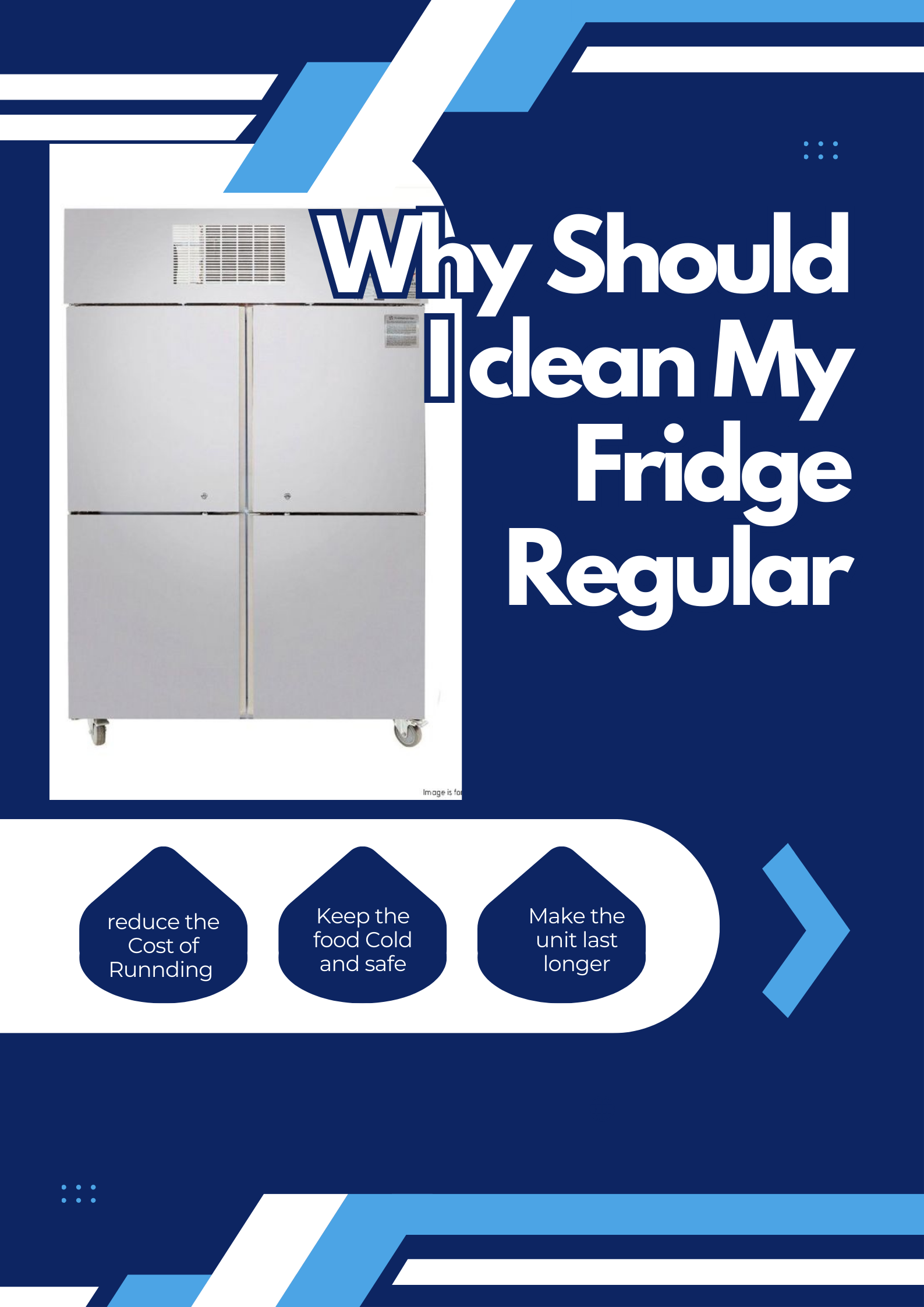
Owning a commercial refrigeration or freezer unit is essential for running any food or hospitality business in Australia. Like any critical piece of equipment, these units require regular maintenance to operate at full efficiency and prevent costly breakdowns. Understanding how often to clean and service your commercial refrigeration system can save you thousands in repairs and lost stock.
Neglecting routine cleaning and servicing leads to reduced performance, higher energy bills, and potential food safety risks. This guide outlines the exact maintenance schedule your commercial fridge or freezer needs to stay in peak condition.
Key Takeaways
- Professional servicing required every 6 months minimum
- Weekly cleaning of condenser coils and filters prevents breakdowns
- Daily checks ensure food safety compliance and early problem detection
- Regular maintenance extends equipment lifespan by up to 50%
Professional Servicing: Every 6 Months
Your commercial fridge or commercial freezer should be professionally serviced at least every six months. This isn't optional maintenance—it's essential for business continuity and compliance with Australian food safety standards.
Professional servicing by a qualified refrigeration technician includes checking refrigerant levels, inspecting compressor function, testing temperature accuracy, and identifying potential issues before they cause equipment failure. This preventative approach costs a fraction of emergency repairs or replacing spoiled stock.
Benefits of Six-Monthly Professional Servicing
- Ensures the unit operates at optimal energy efficiency, reducing power bills
- Prevents unexpected breakdowns during peak trading periods
- Extends the lifespan of your refrigeration equipment by 5-10 years
- Maintains compliance with food safety regulations
- Preserves manufacturer warranty conditions
- Identifies worn components before complete failure
| Servicing Frequency | Business Type | Recommended Schedule |
|---|---|---|
| Standard | Small cafes, bakeries | Every 6 months |
| Increased | Busy restaurants, hotels | Every 3-4 months |
| Intensive | High-volume commercial kitchens | Every 2-3 months |
Weekly Cleaning: Condenser Coils and Filters
Between professional services, your maintenance team should clean the condenser coils and air filters every week. This simple task takes 15-20 minutes but dramatically impacts equipment performance and energy consumption.
Dust, grease, and debris accumulate quickly in commercial kitchen environments. When condenser coils become blocked, your refrigeration unit works harder to maintain temperature, consuming up to 30% more electricity and putting excessive strain on the compressor.
Weekly Maintenance Checklist
- Clean condenser coils: Use a soft brush or vacuum with a brush attachment to remove dust and debris from coils. Work gently to avoid bending the delicate fins.
- Check and clean air filters: Remove filters and wash or replace them according to manufacturer specifications. Blocked filters reduce airflow and efficiency.
- Wipe down surfaces: Clean interior shelves, walls, and door seals with food-safe sanitiser to prevent bacteria and mould growth.
- Clear drain lines: Flush drain pans and lines to prevent blockages that can cause water damage.
- Inspect door gaskets: Check rubber seals for cracks, tears, or signs of wear that compromise temperature control.
Daily Maintenance and Checks
Daily maintenance takes just minutes but catches problems early and ensures food safety compliance. Incorporate these quick checks into your opening or closing procedures to maintain optimal performance.
Temperature monitoring is particularly critical—even small fluctuations can compromise food safety and quality. Australian food safety standards require refrigeration between 0°C and 5°C for fridges, and -18°C or below for freezers.
Essential Daily Tasks
- Monitor temperature settings: Check digital displays or use a calibrated thermometer to verify correct operating temperatures. Log readings for compliance records.
- Inspect door seals: Ensure gaskets are clean and seal properly. The paper test—close the door on a piece of paper and try to pull it out—should show resistance.
- Remove spills immediately: Clean up any spills or debris to maintain hygiene standards and prevent cross-contamination.
- Check door closure: Verify that doors close completely and self-closing mechanisms function correctly.
- Listen for unusual noises: Strange sounds often indicate developing problems with fans, compressors, or other components.
- Ensure proper airflow: Don't overload units or block vents—maintain adequate space for air circulation.
| Maintenance Task | Frequency | Time Required |
|---|---|---|
| Temperature checks | Daily | 2-3 minutes |
| Door seal inspection | Daily | 2 minutes |
| Condenser and filter cleaning | Weekly | 15-20 minutes |
| Professional servicing | Every 6 months | 1-2 hours |
Signs Your Refrigeration Needs Immediate Attention
Even with regular maintenance, commercial refrigeration units can develop problems. Recognising warning signs early prevents expensive emergency repairs and stock loss.
Contact a qualified technician immediately if you notice any of these issues:
- Temperature fluctuations or inability to maintain set temperatures
- Excessive frost buildup in freezers or ice in fridges
- Unusual noises such as grinding, squealing, or constant running
- Water pooling inside or around the unit
- Compressor running constantly without cycling off
- Visible ice on coils or refrigerant lines
- Doors not sealing properly despite clean gaskets
- Spike in electricity bills indicating reduced efficiency
The Cost of Neglecting Maintenance
Skipping regular maintenance might seem like a cost saving, but the opposite is true. Poor maintenance leads to significantly higher operating costs and premature equipment replacement.
Dirty condenser coils alone can increase energy consumption by 20-30%. For a commercial fridge running 24/7, this translates to hundreds of dollars annually in unnecessary electricity costs. Add the risk of complete equipment failure, emergency repair callouts, and spoiled stock, and the true cost of neglect becomes clear.
Financial Impact of Poor Maintenance
- Increased energy bills from reduced efficiency
- Emergency repair costs (typically 2-3 times scheduled service rates)
- Lost revenue during equipment downtime
- Spoiled inventory requiring replacement
- Shortened equipment lifespan requiring premature replacement
- Potential food safety violations and fines
Maintain Your Investment with Proper Care
Regular servicing and cleaning of your commercial refrigeration unit protects your investment and ensures business continuity. Schedule professional servicing every six months, clean condenser coils and filters weekly, and perform daily checks to catch problems early.
Proper maintenance extends equipment life, reduces energy costs, prevents costly breakdowns, and ensures compliance with food safety standards. The small investment in preventative care delivers significant returns through reliability and efficiency.
Need professional servicing for your commercial refrigeration equipment? Hospitality Connect offers expert maintenance solutions tailored to Australian hospitality and commercial kitchen businesses. Browse our range of commercial refrigeration equipment or contact our team today for servicing enquiries.


