

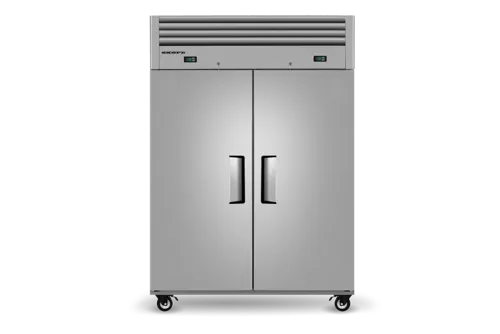
When investing in a commercial fridge, choosing the right unit is crucial for efficiency, longevity, and performance. Whether you run a restaurant, cafe, or grocery store, selecting the right commercial refrigeration system will help keep your products fresh while ensuring energy efficiency and minimising operational costs.
This comprehensive buying guide outlines the key factors Australian hospitality businesses should consider before purchasing a commercial refrigerator for their kitchen.
Key Takeaways
- Ambient temperature and humidity directly impact fridge performance and energy consumption
- Motor placement (top vs. bottom) affects efficiency and maintenance requirements
- Front-breathing units are ideal for tight spaces, while back-breathing models need adequate clearance
- Proper ventilation prevents overheating and extends equipment lifespan
- Energy-efficient models with high GEMS ratings reduce long-term operating costs
1. Ambient Temperature & Humidity
Your commercial fridge's performance is significantly affected by the environment it operates in. If placed in a high-temperature kitchen or a humid area, the unit will work harder to maintain the correct internal temperature.
This increased workload leads to higher energy consumption, accelerated wear and tear, and potentially shorter equipment lifespan. Consider models specifically designed to withstand your particular environmental conditions, especially if your kitchen experiences extreme heat or humidity levels.
2. Motor Location: Top or Bottom?
The motor placement in a commercial refrigerator plays a significant role in its efficiency, maintenance requirements, and suitability for different kitchen environments.
Top-Mounted Motors
These units are ideal for hot kitchen environments since they pull in cooler air from above, preventing grease and dust from clogging the system. Top-mounted motors are generally more energy-efficient in busy commercial kitchens where cooking equipment generates significant heat.
They also offer better protection from floor-level spills and debris, making them a popular choice for high-traffic food service operations.
Bottom-Mounted Motors
Bottom-mounted motors work best in cooler environments and are easier to access for routine maintenance and repairs. However, they may accumulate dust and debris more quickly, particularly in kitchens with poor floor cleanliness protocols.
These units are often more affordable but require more frequent cleaning to maintain optimal performance.
| Motor Location | Best For | Key Advantage |
|---|---|---|
| Top-Mounted | Hot, busy kitchens | Protected from grease and debris |
| Bottom-Mounted | Cooler environments | Easier maintenance access |
3. Front-Breathing vs. Back-Breathing Units
Understanding the ventilation design of your commercial refrigeration unit is essential for proper installation and optimal performance.
Front-Breathing Fridges
These units are specifically designed to expel heat from the front grille, making them ideal for small or enclosed spaces where ventilation at the back is limited. Front-breathing models can be installed flush against walls or in tight under-counter configurations.
They're particularly popular in compact cafe and coffee shop setups where space is at a premium.
Back-Breathing Fridges
These models require adequate clearance at the back (typically 50-100mm) to expel hot air efficiently. If placed directly against a wall without sufficient space, the unit may overheat, become less effective, and experience premature component failure.
Back-breathing units are generally more suitable for larger kitchens with flexible layout options.
4. Ventilation Space Requirements
Proper ventilation is crucial to prevent overheating and improve energy efficiency in any commercial kitchen. Make sure you allocate enough space around the refrigeration unit, especially if you're using a back-breathing model.
Restricted airflow causes the compressor to overwork, leading to higher electricity costs, reduced cooling capacity, and potential breakdowns. Always consult manufacturer specifications for minimum clearance requirements on all sides of the unit.
In tight kitchen layouts, consider investing in front-breathing models or repositioning other cooking equipment to ensure adequate air circulation around refrigeration units.
5. Energy Efficiency & Sustainability
Energy-efficient commercial refrigeration units not only save money on utility bills but also reduce your business's carbon footprint. Look for units with high GEMS (Greenhouse and Energy Minimum Standards) ratings, which indicate superior energy performance.
Additional energy-saving features to consider include LED lighting, high-efficiency compressors, improved insulation thickness, and automatic door closers. While energy-efficient models may have a higher upfront cost, the long-term operational savings typically provide a return on investment within 2-3 years.
| Energy Feature | Annual Savings Potential |
|---|---|
| High GEMS Rating | $200-$500 per unit |
| LED Lighting | $50-$100 per unit |
| Improved Insulation | $150-$300 per unit |
| Auto-Close Doors | $100-$200 per unit |
6. Storage Capacity & Shelving Options
Ensure the commercial fridge has sufficient storage capacity for your business needs without overbuying space you won't utilise. Calculate your peak storage requirements and add a 20% buffer for busy periods or menu expansion.
Consider adjustable shelving options to accommodate different food and beverage container sizes. Check if the interior layout allows for easy cleaning and organisation, and verify that shelf materials are durable, corrosion-resistant, and suitable for commercial use.
For businesses requiring flexible storage solutions, look for units compatible with standard gastronorm pans and food storage containers.
7. Warranty & Maintenance Support
A commercial fridge is a significant investment, so having a comprehensive warranty and accessible maintenance support is essential. Choose brands and suppliers that offer reliable customer service and easy access to replacement parts in Australia.
Look for warranties that cover both parts and labour for at least 2-3 years, with extended coverage options for critical components like compressors. Verify that service technicians are available in your region and check typical response times for urgent repairs.
Preventative maintenance programs can extend equipment lifespan and prevent costly breakdowns during peak service periods.
Making the Right Choice for Your Business
Choosing the right commercial refrigerator requires careful consideration of environmental factors, motor placement, ventilation needs, and energy efficiency. By keeping these seven essential factors in mind, you can ensure that your refrigeration unit runs efficiently, maintains food safety standards, and provides long-term value to your hospitality business.
The right refrigeration solution depends on your specific operational requirements, kitchen layout, budget, and long-term business goals. Take time to evaluate multiple options and consult with equipment specialists who understand Australian commercial kitchen standards.
Ready to Upgrade Your Commercial Refrigeration?
Need expert guidance in selecting the best commercial fridge for your business? Hospitality Connect provides top-tier refrigeration solutions tailored to Australian hospitality operations. Browse our complete range of commercial fridges and commercial freezers, or contact our team today for personalised recommendations.


