

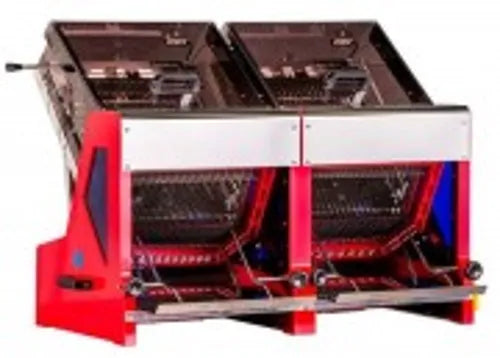
Whether you run a small artisan bakery or a full-scale commercial baking operation, a reliable commercial bread slicer is essential equipment. A quality bread slicing machine not only improves speed and consistency but also ensures hygiene standards and customer satisfaction across your operation.
In this guide, we'll walk you through what to consider when buying a commercial bread slicer and highlight leading models from trusted brands like Paramount and Atlas.
Key Takeaways
- Commercial bread slicers deliver uniform thickness and faster production than manual slicing
- Choose between manual, semi-automatic, or full-production models based on your daily volume
- Consider bread types, slice thickness options, and cleaning ease when selecting equipment
- Paramount slicers suit artisan bakeries while Atlas models handle high-volume operations
- Proper equipment selection reduces waste and improves product presentation
Why a Commercial Bread Slicer Is Essential
Hand-slicing bread is time-consuming, inconsistent, and labour-intensive—especially in busy bakeries or cafés. Investing in the right bakery equipment transforms your operation with measurable benefits.
Commercial bread slicers offer:
- Uniform slice thickness – Every slice matches customer expectations
- Faster service and increased output – Process more loaves in less time
- Cleaner cuts with less waste – Reduce crumbling and product loss
- Improved presentation and packaging – Professional appearance for retail sales
Whether you sell sliced loaves to-go or need perfectly even slices for sandwiches, investing in the right slicer boosts both efficiency and product quality throughout your food preparation workflow.
What to Consider When Buying a Commercial Bread Slicer
Here are the key factors to help you choose the right machine for your bakery:
1. Production Volume
Your daily output determines which type of bread slicer suits your operation:
- Manual or Gravity-Fed Slicers – Ideal for artisan bakeries producing 20–50 loaves daily
- Semi-Automatic Slicers – Good for moderate production (50–200 loaves) with consistent results
- Automatic or Full-Production Slicers – Designed for wholesale or industrial operations processing 200+ loaves daily
2. Slice Thickness
Choose a slicer that offers your preferred slice size. Many models offer adjustable thickness ranging from 9mm to 20mm, while others come in pre-set blade configurations.
Standard thickness options include thin (9–12mm), medium (12–16mm), and thick (16–20mm) slices depending on your product range and customer preferences.
3. Bread Types
Not all slicers handle every type of loaf effectively. Consider these factors:
- Soft sandwich loaves vs. crusty artisan breads
- Dense varieties like rye, sourdough, or seeded loaves
- Loaf dimensions and weight capacity
- Round vs. rectangular shapes
Make sure your slicer can handle the size and texture of your standard product range without crushing or tearing the bread.
4. Ease of Cleaning
Look for models with removable crumb trays and accessible cutting areas for quick, hygienic cleanup. Stainless steel components resist corrosion and simplify sanitation between batches.
Daily cleaning takes 5–15 minutes on well-designed units, keeping your operation compliant with food safety standards.
5. Durability and Safety
Stainless steel construction, blade guards, and safety interlocks are essential features for commercial kitchen equipment. Quality machines include emergency stop buttons and protective covers that prevent operator injury.
Commercial-grade motors and sealed bearings ensure years of reliable service in demanding bakery environments.
Recommended Commercial Bread Slicer Brands
Paramount Bread Slicers
Why Choose Paramount: Australian-designed for local bakery conditions, Paramount slicers are reliable, easy to use, and cost-effective for small to medium operations.
Popular Model: Paramount Manual Bread Slicer
- Suited for countertop or bench use in compact spaces
- 12–16mm slice thickness options for versatile applications
- Compact and durable steel frame construction
- Manual push-through operation requires no electrical connection
- Perfect for low to medium volumes (20–80 loaves daily)
- Removable blade assembly simplifies cleaning and maintenance
Best for: Artisan bakeries, cafés, and small retail shops seeking affordable, reliable slicing without high capital investment.
Atlas Bread Slicers
Why Choose Atlas: A trusted name in commercial bakery equipment, Atlas offers heavy-duty, high-performance bread slicers built for daily commercial use in demanding environments.
Popular Model: Atlas Auto Bread Slicer
- Automatic feed system eliminates manual pushing
- Adjustable slice thickness from 9mm to 19mm
- High-capacity loaf processing (200+ loaves per hour)
- Safety sensors and quiet motor operation reduce workplace noise
- Stainless steel construction meets commercial hygiene standards
- Integrated bagging chute for efficient packaging workflow
Best for: Wholesale bakeries, supermarkets, and high-production facilities requiring consistent output with minimal labour input.
Manual vs. Full-Production Slicers: Which Do You Need?
Understanding the capabilities and limitations of each slicer type helps you match equipment to your operational requirements and budget.
| Type | Best For | Pros | Cons |
|---|---|---|---|
| Manual Slicer | Small bakeries, cafés (20–80 loaves/day) | Affordable, simple to operate, no power required | Slower throughput, more manual labour |
| Semi-Automatic | Medium bakeries (80–200 loaves/day) | Faster slicing, consistent cuts, moderate price | Requires power, higher upfront cost |
| Full-Production Auto | Industrial operations (200+ loaves/day) | High volume, minimal labour, integrated bagging | Expensive, larger footprint, requires maintenance |
Maintenance and Care Tips
Proper maintenance extends equipment life and ensures consistent slicing performance. Follow these essential practices:
- Daily cleaning – Remove crumbs and debris after each production run using the crumb tray
- Weekly blade inspection – Check for dullness, damage, or buildup that affects cut quality
- Monthly lubrication – Apply food-safe lubricant to moving parts per manufacturer guidelines
- Quarterly blade sharpening – Professional sharpening maintains clean cuts and reduces motor strain
- Annual servicing – Schedule professional inspection of motors, belts, and safety systems
Well-maintained bread slicers deliver 7–10 years of reliable service in commercial environments.
Cost Considerations and ROI
Commercial bread slicers represent a significant investment with measurable returns:
- Manual slicers: $800–$2,500 – Suitable for startup bakeries with limited budgets
- Semi-automatic: $3,000–$8,000 – Mid-range option balancing speed and affordability
- Full-production automatic: $8,000–$20,000+ – Premium equipment for high-volume operations
Calculate your return on investment by considering labour savings, reduced waste, increased throughput, and improved product consistency. Most bakeries processing 100+ loaves daily recover their investment within 18–24 months.
Final Thoughts
Choosing the right commercial bread slicer depends on your daily output, types of bread, and available space. For smaller artisan setups, a manual Paramount slicer provides reliable performance at an accessible price point. If you're slicing hundreds of loaves daily, Atlas automatic slicers offer unmatched speed and reliability.
Consider your current production volume, growth plans, and budget when selecting equipment. The right bread slicer improves efficiency, reduces labour costs, and delivers the consistent quality your customers expect.
Explore our complete range of bakery equipment including planetary mixers and bakery ovens to build your complete production setup.
Need Help Choosing a Bread Slicer?
Our bakery equipment specialists can guide you to the perfect slicer for your business. We provide expert advice, competitive pricing, and Australia-wide support to ensure you select equipment that matches your operational needs and budget.
Contact our team today to discuss your requirements and receive personalised recommendations based on your production volume, bread types, and growth plans. We'll help you find the ideal bread slicing solution for your bakery.


