

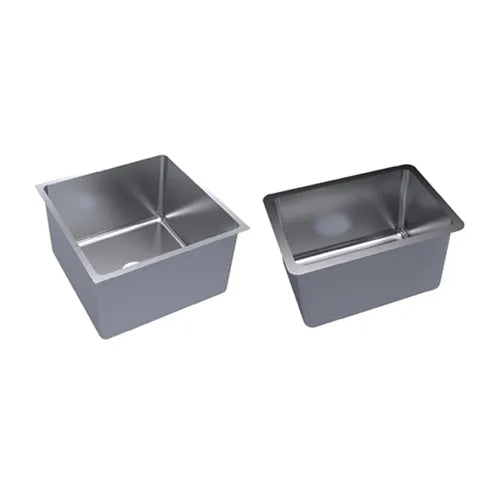
When it comes to commercial kitchen and washroom facilities, choosing the right sink is essential for hygiene, convenience, and compliance. Two popular options are the knee operated sink hand basin and the cleaner sink. Understanding the key differences between these sink types can help you make the best choice for your facility.
Both sink types serve distinct purposes in commercial environments, from food service and healthcare to janitorial and industrial settings. This guide breaks down their features, benefits, and ideal applications.
Key Takeaways
- Knee operated sinks provide hands-free operation for hygienic handwashing in food service and healthcare
- Cleaner sinks are designed for heavy-duty cleaning tasks like washing mops and equipment
- Both sink types feature durable 304-grade stainless steel construction
- Choosing the right sink depends on your facility's specific hygiene and cleaning requirements
What is a Knee Operated Sink Hand Basin?
A knee operated sink hand basin is designed to promote hygienic handwashing without the need to touch taps or handles. Instead, users operate the water flow by pressing a panel or lever with their knee. This touch-free operation minimizes cross-contamination, making it ideal for healthcare, food service, and other hygiene-critical environments.
The hands-free design ensures that staff can wash their hands without touching potentially contaminated surfaces. This feature is particularly valuable in commercial kitchens where food safety is paramount.
Benefits of Knee Operated Sink Hand Basins
Hands-free operation: The knee-activated mechanism reduces the spread of germs and bacteria by eliminating the need to touch taps with contaminated hands. This is crucial in environments where hygiene and cleanliness are top priorities.
Compliance: These sinks meet hygiene standards for medical facilities and commercial kitchens, helping businesses comply with food safety regulations and health department requirements.
Durability: Made from high-quality 304-grade stainless steel, these basins are built for long-lasting use in demanding environments. The material resists corrosion and maintains its appearance even with frequent daily use.
Water efficiency: Often fitted with water-saving features and compliant with WELS ratings, these sinks help reduce water consumption while maintaining effective handwashing functionality.
What is a Cleaner Sink?
A cleaner sink is typically a larger, more robust sink designed for heavy-duty cleaning tasks. It's commonly used for washing mops, buckets, and cleaning equipment, with features such as deeper bowls and strong stainless steel construction to withstand rigorous use in commercial kitchens, janitorial rooms, or industrial settings.
Unlike hand basins designed for personal hygiene, cleaner sinks are built to handle the demands of commercial cleaning operations. Their larger size and deeper bowls accommodate bulky cleaning equipment and facilitate efficient waste disposal.
Benefits of Cleaner Sinks
Heavy-duty design: Suitable for tough cleaning jobs with a large basin and sturdy materials that can withstand the weight and impact of heavy equipment, buckets, and cleaning tools.
Ease of use: Often includes features like grated drains to catch debris and easy waste disposal systems. These practical additions make cleaning tasks more efficient and prevent blockages.
Versatility: Perfect for janitorial staff or any area requiring large-scale cleaning operations. Common in aged care facilities, hotels, and industrial kitchens.
Durability: Built from 304-grade stainless steel for corrosion resistance and longevity. The material withstands exposure to harsh cleaning chemicals and frequent use without deteriorating.
Key Differences Between Knee Operated and Cleaner Sinks
Understanding the core differences between these two sink types helps you select the right equipment for your specific operational needs. Each sink type is engineered for distinct purposes within commercial facilities.
| Feature | Knee Operated Sink Hand Basin | Cleaner Sink |
|---|---|---|
| Primary Use | Handwashing with hygiene focus | Heavy-duty cleaning of tools & equipment |
| Operation | Knee-activated touch-free panel | Manual tap operation |
| Size & Capacity | Compact, designed for handwashing | Larger, deeper bowl for equipment |
| Common Locations | Healthcare, commercial kitchens | Janitorial rooms, industrial kitchens |
| Hygiene Benefits | Reduces cross-contamination | Durable & practical for cleaning tasks |
Choosing the Right Sink for Your Facility
The decision between a knee operated hand basin and a cleaner sink depends on your facility's specific requirements. Consider the primary function of the area where the sink will be installed and the hygiene standards you need to maintain.
For food preparation areas and healthcare settings where hand hygiene is critical, knee operated sinks are the clear choice. Their touch-free operation supports infection control protocols and food safety standards.
For janitorial rooms, back-of-house cleaning areas, or facilities that require dedicated equipment washing stations, cleaner sinks provide the size and durability needed for heavy-duty tasks. Many commercial operations benefit from having both sink types installed in appropriate locations.
Material Quality and Durability Standards
Both knee operated hand basins and cleaner sinks are typically constructed from 304-grade stainless steel, the industry standard for commercial kitchen equipment. This material offers excellent corrosion resistance, ease of cleaning, and long-term durability.
Stainless steel sinks maintain their appearance and structural integrity even in high-use environments. The material is non-porous, preventing bacterial growth and making sanitation straightforward. This is especially important in hotel kitchens and other commercial food service operations.
When selecting either sink type, look for products with proper welding, smooth finished surfaces, and adequate bowl depth for their intended purpose. Quality construction ensures years of reliable service with minimal maintenance requirements.
Installation and Compliance Considerations
Proper installation of commercial sinks must comply with local plumbing codes and health regulations. Knee operated sinks require installation of the knee-operated valve mechanism at the appropriate height for comfortable use by staff of varying heights.
Cleaner sinks often require floor waste connections and may need to be installed with adequate clearance for large equipment. Many facilities install them in dedicated janitorial closets or cleaning stations away from food preparation areas.
Both sink types should be positioned to facilitate proper workflow and meet regulatory requirements for handwashing station placement and cleaning equipment storage. Consult with a commercial plumber to ensure compliant installation.
Find the Perfect Sink Solution for Your Commercial Kitchen
Whether you're upgrading your commercial washroom or establishing a new cleaning area, understanding the differences between knee operated hand basins and cleaner sinks is essential for making an informed decision.
Knee operated sinks excel in environments where hygiene and hands-free operation are priorities, while cleaner sinks provide the heavy-duty functionality needed for equipment washing and janitorial tasks. Many successful commercial operations install both types to meet their diverse operational needs.
Ready to upgrade your facility with professional-grade commercial sinks? Explore our complete range of commercial dishwashing and cleaning equipment to find the perfect solution for your business. Contact our team today for expert advice on selecting and installing the right sink configuration for your specific requirements.


