

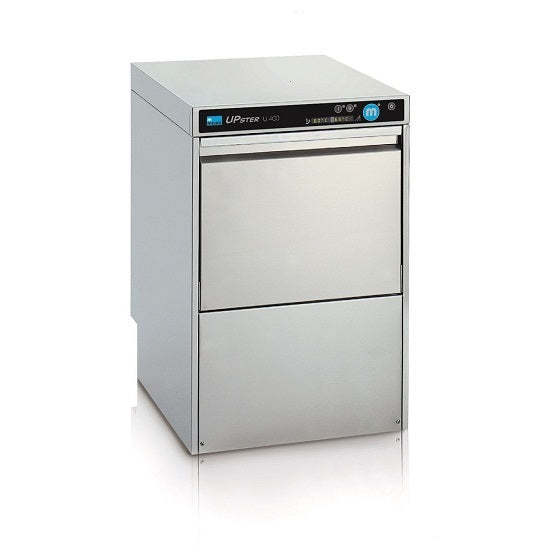
Running a busy bar means constant glassware turnover — and the last thing you want is cloudy glasses or hours wasted hand-polishing. If you're looking for a cost-effective commercial glasswasher that delivers sparkling clean results, it's worth considering machines with a Reverse Osmosis (RO) system. While the upfront cost may be slightly higher, the long-term savings and quality boost make it a smart investment for any bar or pub.
In this guide, we'll explain the benefits of RO systems, how they save you money, and compare top commercial glasswasher brands available in Australia — including Washtech, Meiko, Hobart, Eswood, and Sammic.
Key Takeaways
- Reverse osmosis systems eliminate spotting and clouding on glassware without hand-polishing
- RO glasswashers reduce chemical costs, labour time, and glass breakage over time
- Budget brands like Washtech and Eswood offer reliable performance for smaller venues
- Premium brands like Meiko and Hobart provide advanced features for high-volume bars
- Choosing the right glasswasher depends on your glass volume, space, and budget
What Is a Reverse Osmosis (RO) System in a Glasswasher?
A Reverse Osmosis system is a water filtration process that removes minerals, salts, and impurities from water before the final rinse cycle. In commercial dishwashing equipment, this technology delivers significant benefits for bar owners.
Here's what an RO system does for your glassware:
- Delivers spotless glassware without the need for hand-polishing
- Eliminates streaks and clouding, especially important for wine and cocktail glasses
- Reduces detergent and rinse aid consumption, lowering chemical costs
- Decreases labour costs as staff spend less time polishing glasses
- Minimises glass breakage from excessive manual handling
What to Consider When Buying a Budget Glasswasher
If you're working with limited capital, don't assume you need to sacrifice quality. Here are the key features to evaluate when comparing bar glasswasher models:
- Cycle time – Faster cycles (90-120 seconds) mean quicker turnover during peak hours
- Glass capacity – Choose based on your average glass usage per hour
- Water and energy efficiency – Critical for long-term operating cost savings
- RO compatibility – Not all models include RO, but retrofitting is often possible
- Brand reputation and service – Local support and spare parts availability saves downtime and money
Now let's break down the pros and cons of leading commercial glasswasher brands available in Australia.
Commercial Glasswasher Brand Comparison
| Brand | Best For | Price Range | RO Available |
|---|---|---|---|
| Washtech | Budget-conscious venues | $ | Yes (select models) |
| Meiko | High-end bars | $$$ | Yes |
| Hobart | Busy, high-volume venues | $$$ | Yes |
| Eswood | Pubs and cafés | $$ | Limited |
| Sammic | Small to medium bars | $$ | Yes |
1. Washtech Commercial Glasswashers
Pros:
- Affordable and reliable — excellent for bars on a tight budget
- Easy to use with basic, robust designs built for Australian conditions
- Some models are compatible with RO systems
- Good local support network across Australia
Cons:
- Not as sleek or feature-rich as premium European brands
- May lack high-end filtration or automation features
- Slightly longer cycle times on entry-level models
Best For: Budget-conscious venues needing a tough, no-fuss glasswasher that gets the job done.
2. Meiko Commercial Glasswashers
Pros:
- Premium German engineering with exceptional build quality
- Excellent integrated RO systems for crystal-clear results
- Energy-efficient and eco-friendly operation
- Very quiet running — ideal for front-of-house or open bar setups
- Advanced diagnostics and user-friendly digital controls
Cons:
- Higher initial investment required
- May be overkill for smaller bars with low glass volume
- Premium spare parts pricing
Best For: High-end bars, cocktail lounges, and venues that prioritise glass clarity and presentation.
3. Hobart Commercial Glasswashers
Pros:
- Well-known globally for durability and consistent performance
- Advanced features including RO integration and energy-saving technology
- Efficient water usage with fast wash cycles (as low as 90 seconds)
- Excellent support network and spare parts availability across Australia
- Robust construction designed for heavy commercial use
Cons:
- Higher price point than budget brands
- May require more space or specific installation requirements
- Some models need dedicated plumbing for optimal performance
Best For: Busy venues needing consistent, high-speed performance and long-term reliability. If you're looking for comprehensive bar equipment, Hobart integrates well with other commercial systems.
4. Eswood Commercial Glasswashers
Pros:
- Australian-made and designed specifically for local water conditions
- Solid performance at a cost-effective price point
- Easy maintenance with straightforward controls
- Good range of entry-level and mid-tier models
- Strong local service support
Cons:
- Limited advanced RO or filtration features compared to European brands
- Slightly longer wash cycles in some models (up to 180 seconds)
- Less focus on noise reduction
Best For: Pubs and cafés wanting a good balance between cost and function without unnecessary features.
5. Sammic Commercial Glasswashers
Pros:
- Compact and space-saving designs perfect for smaller venues
- Energy-efficient models with user-friendly controls
- Compatible with water filtration and RO setups
- Great for limited bench space without sacrificing performance
- Competitive mid-range pricing
Cons:
- Smaller capacity may not suit high-volume bars
- Less brand recognition in Australia compared to other options
Best For: Small to medium bars with tight spaces and moderate glass usage. Sammic works particularly well in café and coffee shop settings that also serve beer and wine.
How Much Money Does an RO Glasswasher Actually Save?
Let's look at the real numbers. A typical busy bar might wash 400-600 glasses per night. Without an RO system, here's what you're likely spending:
| Cost Factor | Without RO | With RO | Annual Savings |
|---|---|---|---|
| Hand-polishing labour (15 min/night @ $30/hr) | $2,700/year | $0 | $2,700 |
| Extra rinse aid & detergent | $800/year | $450/year | $350 |
| Re-washing spotted glasses | $600/year | $0 | $600 |
| Glass breakage from handling | $400/year | $150/year | $250 |
| Total Annual Savings | — | — | $3,900 |
For a typical bar, that's nearly $4,000 in annual savings. If an RO upgrade costs an additional $2,000-3,000 upfront, you'll break even in less than a year — and continue saving for the life of the machine.
Installation and Maintenance Considerations
Before you purchase a cheap glasswasher with RO capability, consider these practical factors:
Water Supply: RO systems require adequate water pressure (typically 40-60 PSI). Check your venue's water pressure before committing to an RO-equipped model.
Drainage: RO systems produce waste water during filtration. Ensure your drainage can handle the additional flow.
Filter Replacement: RO membranes and pre-filters need regular replacement (typically every 6-12 months). Budget $200-400 annually for filter maintenance.
Space Requirements: Some RO systems are built-in, while others require external mounting. Measure your available space carefully, especially in compact bar setups.
Proper maintenance keeps your glasswasher running efficiently. Regular cleaning chemicals and descaling products designed for commercial equipment will extend your machine's lifespan.
Choosing the Right Size Glasswasher for Your Bar
Glasswasher capacity is typically measured by basket size and glasses per hour. Here's a quick guide:
- Small bars (50-150 covers/night): Compact undercounter models with 300-500 glasses/hour capacity
- Medium bars (150-300 covers/night): Standard undercounter or pass-through models with 500-800 glasses/hour
- Large bars (300+ covers/night): High-capacity pass-through or conveyor models with 800+ glasses/hour
Remember that cycle time matters as much as capacity. A machine with 500 glasses/hour capacity but 180-second cycles will create bottlenecks during peak service compared to one with 120-second cycles.
Energy and Water Efficiency: The Hidden Costs
When comparing cheap glasswashers, don't overlook operating costs. Energy-efficient models may cost more upfront but deliver substantial savings over their lifetime.
Look for these efficiency features:
- Heat recovery systems that recycle heat from waste water
- Low water consumption (2-3 litres per cycle vs. 4-5 litres on older models)
- Energy Star or WELS ratings where applicable
- Insulated tanks that maintain temperature without constant reheating
- Smart standby modes that reduce power consumption during quiet periods
A glasswasher that uses 2 litres less water per cycle will save approximately 180,000 litres annually in a busy bar — reducing both water and heating costs significantly.
Common Glasswasher Problems and How RO Systems Help
Even with a quality glasswasher, certain water conditions cause persistent problems:
Cloudy or Spotted Glasses: Caused by hard water minerals (calcium and magnesium). RO systems remove these minerals before the final rinse, eliminating spots completely.
Scale Buildup: Hard water causes scale accumulation inside the machine, reducing efficiency and requiring more frequent maintenance. RO filtration prevents scale formation.
Streaking on Glassware: Often caused by dissolved solids in water. RO removes these impurities for crystal-clear results.
Excessive Detergent Use: Hard water requires more detergent to achieve the same cleaning results. RO systems work more efficiently with standard detergent levels.
If your current glasswasher produces any of these issues, adding an RO system — even as a retrofit — can transform your results without replacing the entire machine.
Key Takeaways: Choosing Your Glasswasher
- Match your glasswasher capacity to your actual volume needs — oversizing wastes energy, undersizing creates bottlenecks
- RO systems deliver fastest ROI in venues serving cocktails, wine, or premium beer in glassware
- Consider total cost of ownership, not just purchase price — efficiency and reliability matter
- Australian brands like Washtech and Eswood offer excellent value for budget-conscious venues
- Premium brands like Meiko and Hobart justify their cost through advanced features and longevity
- Proper maintenance and quality cleaning chemicals extend machine lifespan significantly
Final Thoughts: Is an RO Glasswasher Worth the Investment?
If you serve cocktails, wine, or beer in glassware — and especially if you're in an area with hard water — a glasswasher with a Reverse Osmosis system will pay off quickly. You'll get sparkling results every time without hand-polishing, saving labour, water, detergent, and time.
Budget brands like Washtech and Eswood offer reliable performance at accessible price points, making them ideal for smaller venues or those just starting out. Premium brands like Meiko, Hobart, and Sammic provide advanced features, faster cycles, and superior build quality for high-volume operations.
The key is choosing the right balance of features, capacity, and budget for your specific venue. Don't be tempted by the absolute cheapest option if it means compromising on efficiency, reliability, or results that directly impact your customer experience.
Ready to upgrade your glass washing operation? Explore the full range of commercial glasswashers and RO-compatible models at Hospitality Connect. Our team can help you find the perfect glasswasher for your bar's needs and budget. For venues looking to outfit or upgrade their complete beverage service area, check out our comprehensive range of bar equipment and accessories.
Have questions about which glasswasher is right for your venue? Our commercial kitchen specialists understand Australian hospitality operations and can provide tailored recommendations based on your glass volume, water conditions, and budget. Contact us today to discuss your requirements and get expert advice on the best glasswasher solution for your bar.


