

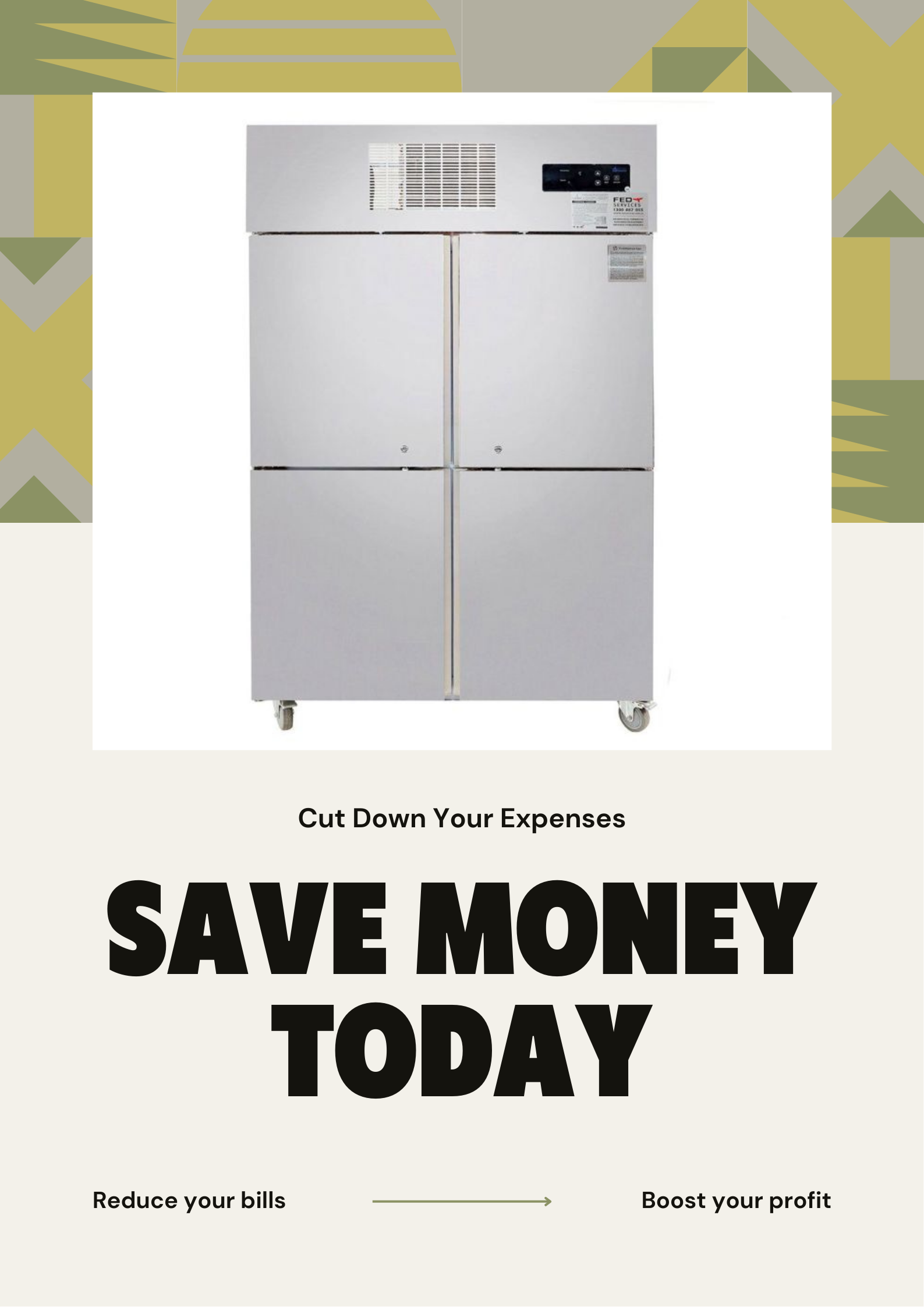
When shopping for a domestic fridge, those familiar star ratings make it simple to compare energy efficiency at a glance. But what about commercial refrigeration energy efficiency testing? Do commercial fridges and freezers face the same scrutiny? The answer is yes—and understanding these standards can save Australian hospitality businesses thousands of dollars in energy costs.
Commercial refrigeration units in Australia are regulated under the GEMS system, which sets mandatory energy performance requirements. However, not every unit on the market actually complies with these standards.
What Is the GEMS System?
The GEMS (Greenhouse and Energy Minimum Standards) system is an Australian government initiative designed to reduce energy consumption and greenhouse gas emissions across commercial and domestic appliances. For commercial refrigeration, GEMS establishes Minimum Energy Performance Standards (MEPS) that equipment must meet before it can be legally sold or supplied in Australia.
These standards target inefficient refrigeration units that waste electricity and drive up operating costs. By setting a baseline for energy performance, GEMS helps protect businesses from purchasing equipment that will become a financial burden over time.
How GEMS Energy Rating Labels Work
Similar to domestic appliances, GEMS includes Energy Rating Labels for commercial refrigeration. These labels display star ratings and annual energy consumption figures, making it easier to compare models side-by-side and make informed purchasing decisions based on real performance data.
The labels are particularly valuable when evaluating commercial fridges and commercial freezers for cafes, restaurants, hotels, and other hospitality venues.
Do All Commercial Fridges Meet GEMS Standards?
Unfortunately, no. While GEMS regulations are in place, compliance isn't universal. Many commercial refrigeration units being sold in Australia don't meet the required energy performance standards—particularly those sourced through grey imports or budget suppliers focused on cutting purchase prices rather than lifecycle costs.
This creates significant risks for buyers who may unknowingly purchase non-compliant equipment. The consequences extend beyond higher electricity bills to potential regulatory issues and poor equipment performance.
Key Takeaways
- GEMS sets mandatory energy efficiency standards for commercial refrigeration in Australia
- Not all commercial fridges and freezers on the market actually comply with GEMS requirements
- Non-compliant equipment costs more to run and may create legal compliance issues
- Energy Rating Labels help compare the true operating costs of different models
- Choosing GEMS-compliant refrigeration protects your bottom line long-term
The Hidden Cost of Non-Compliant Refrigeration
When a commercial fridge doesn't meet GEMS standards, the financial impact compounds over time. An inefficient unit might save $500 upfront but cost an additional $300–600 per year in electricity—potentially adding $3,000+ in unnecessary expenses over a 10-year lifespan.
Beyond energy costs, non-compliant equipment often suffers from reliability issues, leading to food spoilage, repair expenses, and potential replacement costs much earlier than expected.
GEMS Compliance Requirements Explained
To meet GEMS standards, commercial refrigeration must undergo independent testing that measures energy consumption under standardised conditions. The equipment receives a rating based on its energy efficiency relative to size and functionality.
| Refrigeration Type | GEMS Requirement |
|---|---|
| Upright commercial fridges | Must meet MEPS and display Energy Rating Label |
| Commercial freezers | Must meet MEPS and display Energy Rating Label |
| Display fridges (certain types) | Must meet MEPS and display Energy Rating Label |
| Walk-in coldrooms | Currently exempt from GEMS |
It's important to verify GEMS compliance before purchasing any commercial refrigeration equipment. Look for the official Energy Rating Label and check that the supplier can provide documentation confirming compliance.
How to Identify GEMS-Compliant Commercial Refrigeration
When evaluating commercial fridges and freezers, check for these compliance indicators:
- Energy Rating Label: A clearly displayed label showing star rating and annual energy consumption
- GEMS registration number: Compliant products are registered in the government database
- Supplier documentation: Reputable suppliers provide compliance certificates and test reports
- Transparent specifications: Energy consumption data should be readily available
Questions to Ask Your Refrigeration Supplier
Before committing to a purchase, ask these essential questions:
- Is this model registered under the GEMS scheme?
- Can you provide the Energy Rating Label information?
- What is the annual energy consumption in kilowatt-hours?
- Do you stock alternative models with better energy ratings?
- What documentation proves GEMS compliance?
The Business Case for Energy-Efficient Refrigeration
Investing in GEMS-compliant commercial refrigeration delivers multiple benefits beyond regulatory compliance. Energy-efficient units reduce operating expenses, perform more reliably, and contribute to sustainability goals increasingly important to customers and stakeholders.
For hospitality businesses managing tight margins, the cumulative savings from efficient refrigeration can significantly impact profitability. A cafe running three commercial fridges could save $900–1,800 annually by choosing high-efficiency models over baseline units.
Long-Term Value vs. Initial Cost
While GEMS-compliant refrigeration may carry a slightly higher purchase price, the total cost of ownership is substantially lower. Energy savings typically recover any price difference within 2–3 years, with continued savings throughout the equipment's lifespan.
Additionally, efficient refrigeration often includes better insulation, more reliable compressors, and superior build quality—factors that reduce maintenance costs and extend equipment life. This is particularly important when selecting equipment for demanding environments like cafe and coffee shop operations or hotel commercial kitchens.
How Hospitality Connect Ensures GEMS Compliance
At Hospitality Connect, we only stock commercial refrigeration that meets Australian GEMS energy efficiency standards. Every fridge and freezer in our range has been verified for compliance, so you can purchase with confidence knowing your equipment is both legal and cost-effective to operate.
Our team helps Australian hospitality businesses navigate the complexities of commercial refrigeration selection by:
- Providing transparent energy data: We clearly display energy ratings and consumption figures for every model
- Offering expert guidance: Our specialists help match your operational needs with the most efficient equipment
- Ensuring compliance documentation: All necessary certificates and registration details are readily available
- Supporting long-term value: We focus on total cost of ownership, not just purchase price
Whether you're outfitting a new venue or replacing aging equipment, we ensure you select refrigeration that reduces both upfront investment and ongoing operating costs.
Beyond Refrigeration: Energy Efficiency Across Your Kitchen
While refrigeration is a major energy consumer, other commercial kitchen equipment also impacts your electricity bills. Consider energy efficiency when selecting cooking equipment, dishwashing systems, and other appliances to maximise savings across your entire operation.
Many businesses find that a comprehensive approach to energy efficiency—addressing refrigeration, cooking, and hot water systems—delivers the greatest financial and environmental benefits.
Final Thoughts
Yes, commercial refrigeration does have energy efficiency testing in Australia, and these GEMS standards exist to protect businesses from costly, inefficient equipment. However, compliance isn't universal, making it essential to verify that any commercial fridge or freezer you purchase meets the required standards.
Choosing GEMS-compliant refrigeration means lower electricity bills, better equipment performance, reduced maintenance costs, and a smaller environmental footprint. It's not just about meeting regulations—it's about making smart business decisions that improve profitability over the long term.
Need help selecting energy-efficient commercial refrigeration for your hospitality business? Contact Hospitality Connect today. Our team will help you find GEMS-compliant equipment that delivers exceptional value both now and throughout its operational life.


