



Collection:
Under Bench Freezer
Optimise space without compromising on performance.
Our commercial under bench freezers are the ideal solution for busy kitchens where every square metre counts. Designed to slide neatly beneath standard counters, these units offer reliable freezing power for quick-access storage of meats, desserts, and prep ingredients.
Key Features:
-
Space-Saving Design: Fits seamlessly under workbenches or counters for efficient workflow.
-
Durable Construction: Stainless steel body and heavy-duty components built for daily commercial use.
-
Precise Temperature Control: Digital thermostat with rapid-freeze function to meet HACCP standards.
-
Adjustable Shelving or Drawers: Customise internal layout for your kitchen’s storage needs.
-
Energy-Efficient Options: Select models use eco-friendly refrigerants and high-grade insulation.
Ideal For:
-
Cafes, restaurants, pubs & catering kitchens
-
Food trucks and compact commercial setups
-
Bar stations & pastry prep areas
Whether you're expanding storage or fitting out a tight kitchen, our under bench freezers deliver performance, reliability, and flexibility.
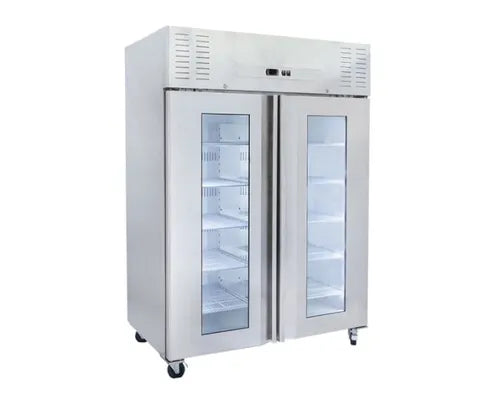
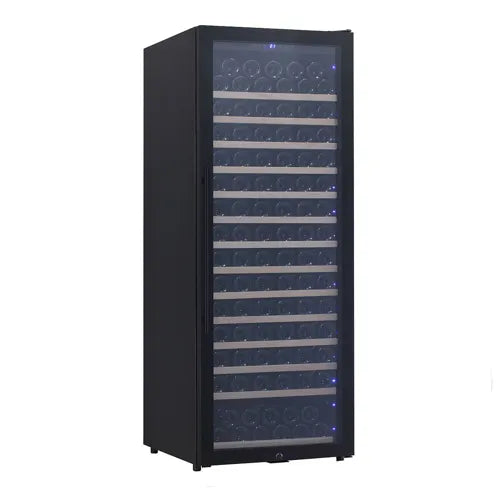
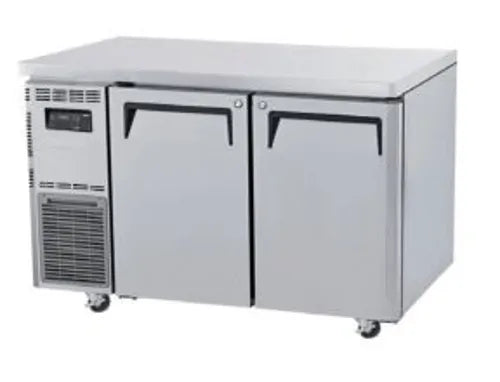

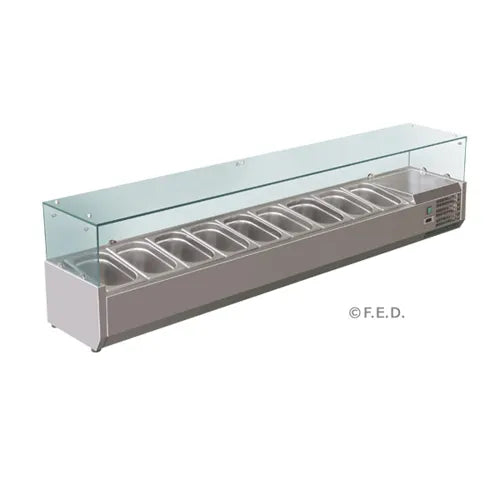
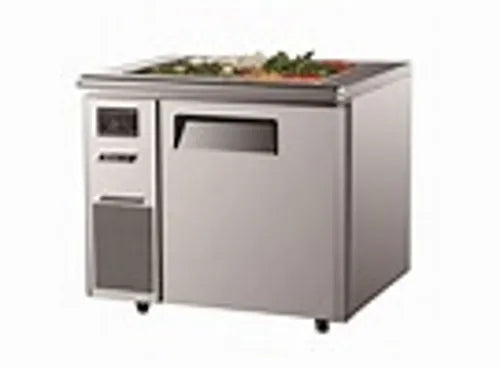
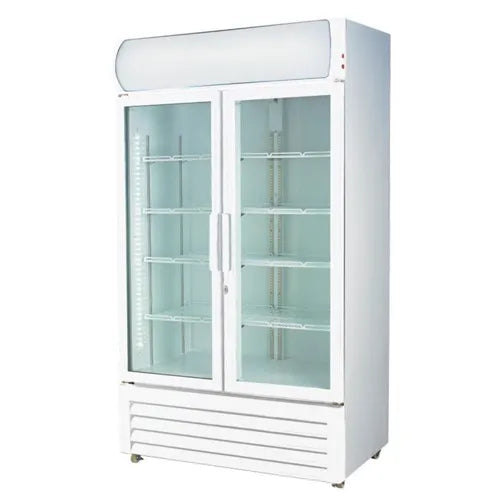
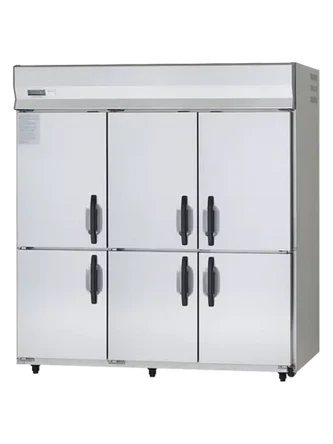

Choosing the Right Under Bench Freezer for Your Business
What is an under bench freezer and why is it used in commercial kitchens?
What is an under bench freezer and why is it used in commercial kitchens?
What are the advantages of Thermaster under bench freezers?
What are the advantages of Thermaster under bench freezers?
How much storage space do under bench freezers typically offer?
How much storage space do under bench freezers typically offer?
Can Thermaster under bench freezers be used in hot kitchen environments?
Can Thermaster under bench freezers be used in hot kitchen environments?
Where can I buy Thermaster under bench freezers in Australia?
Where can I buy Thermaster under bench freezers in Australia?


