



Collection:
Salad Prep Fridges
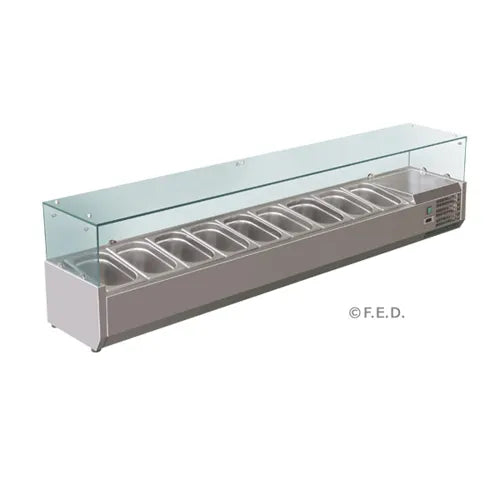
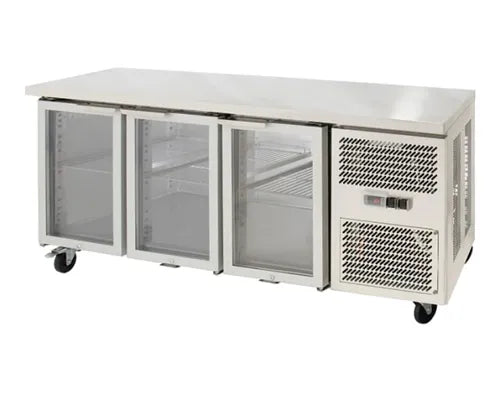
Salad prep fridges are essential tools for restaurants, cafés, and catering businesses that prioritize fresh ingredients and efficient food preparation. Designed to keep produce and dressings at optimal temperatures, these fridges enhance workflow and ensure food safety. Understanding the features and benefits of salad prep fridges can help operators make informed purchasing decisions.
Features and Benefits
-
Temperature Control: Salad prep fridges maintain consistent, cool temperatures, ensuring that fresh ingredients stay crisp and safe for consumption.
-
Convenient Work Surface: Many models come with a built-in cutting board or work surface, allowing chefs to prepare salads and other dishes directly on top of the fridge for increased efficiency.
-
Organized Storage: Equipped with clear containers or pans, salad prep fridges allow for organized storage of various ingredients, making it easy to access and prep items quickly during service.
-
Versatile Configuration: These fridges often feature customizable storage options, enabling operators to adjust shelf heights and configurations to fit their specific ingredient needs.
-
Energy Efficiency: Designed for commercial use, many salad prep fridges are built with energy-efficient technology, helping to reduce operational costs while maintaining performance.


Choosing the Right Salad Prep Fridges for Your Business
What is a salad prep fridge used for?
What is a salad prep fridge used for?
What temperature do salad prep fridges maintain?
What temperature do salad prep fridges maintain?
Are your salad prep fridges suitable for commercial kitchens?
Are your salad prep fridges suitable for commercial kitchens?
Can I customize the number of pans or layout?
Can I customize the number of pans or layout?
Do you offer delivery and setup for salad prep fridges?
Do you offer delivery and setup for salad prep fridges?


