



Collection:
Pasta Maker
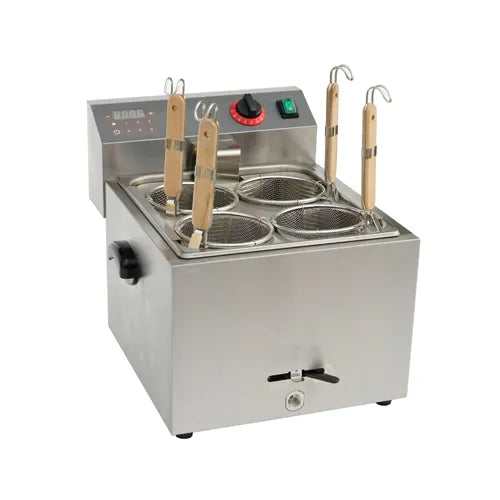
reate fresh, authentic pasta in minutes with our professional Commercial Pasta Makers, designed for restaurants, cafes, catering kitchens, and Italian food venues. Whether you're producing spaghetti, fettuccine, lasagna sheets, or specialty pasta, our machines offer precision, speed, and consistency with every batch.
Built from durable stainless steel with user-friendly controls, our electric pasta machines automate the dough rolling, cutting, and extruding process—reducing labour and improving output. From compact tabletop models to high-capacity extruders, our range supports small eateries and large-scale pasta production alike.
Key Features:
-
Electric or manual pasta-making machines
-
Multiple cutting dies for different pasta types
-
Food-grade stainless steel for hygiene and durability
-
Easy to clean, operate, and maintain
-
Perfect for restaurants, delis, pasta bars, and catering
Shop Pasta Makers at Hospitality Connect—Australia’s trusted supplier of commercial-grade kitchen equipment with expert advice and fast shipping.




Choosing the Right Pasta Maker for Your Business
What types of pasta can a commercial pasta maker produce?
What types of pasta can a commercial pasta maker produce?
What’s the difference between manual and electric pasta makers?
What’s the difference between manual and electric pasta makers?
Are commercial pasta machines easy to clean?
Are commercial pasta machines easy to clean?
Can I use gluten-free or specialty flours in a pasta machine?
Can I use gluten-free or specialty flours in a pasta machine?
Does Hospitality Connect supply commercial pasta makers?
Does Hospitality Connect supply commercial pasta makers?


