



Collection:
Hot Food Displays
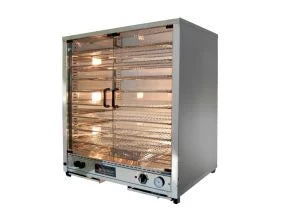
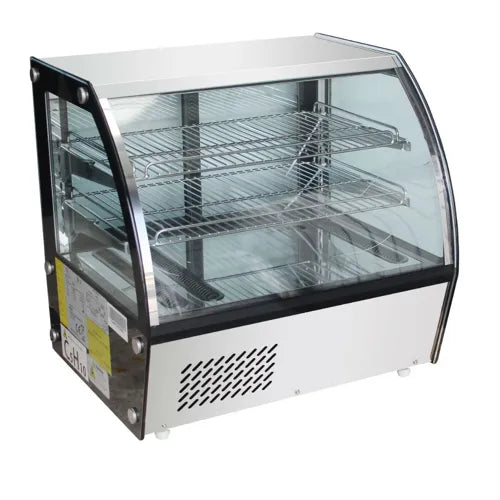
Keep food hot, fresh, and ready to serve with our professional Hot Food Display Cabinets, designed for restaurants, cafés, bakeries, takeaways, and convenience stores. These heated displays combine precise temperature control with stylish presentation—ideal for showcasing pies, pastries, roast meats, curries, and hot meals.
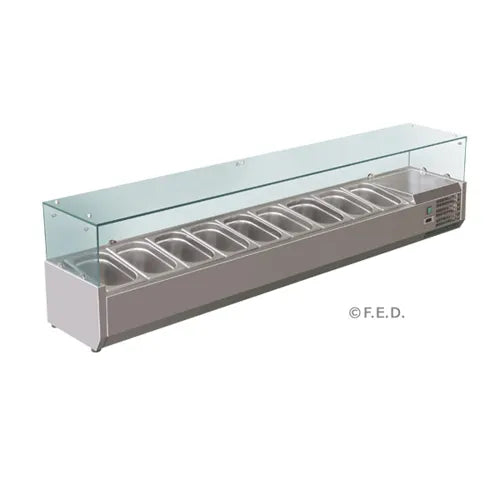
Available in countertop and freestanding models, our units feature toughened glass, internal lighting, humidity control, and stainless steel trays or shelving to preserve moisture and presentation quality. Built for performance and reliability, these displays ensure your food stays safe, appetising, and compliant with foodservice standards.
Key Features:
-
Keeps food at safe, serving-ready temperatures
-
Stylish glass front with internal lighting for visibility
-
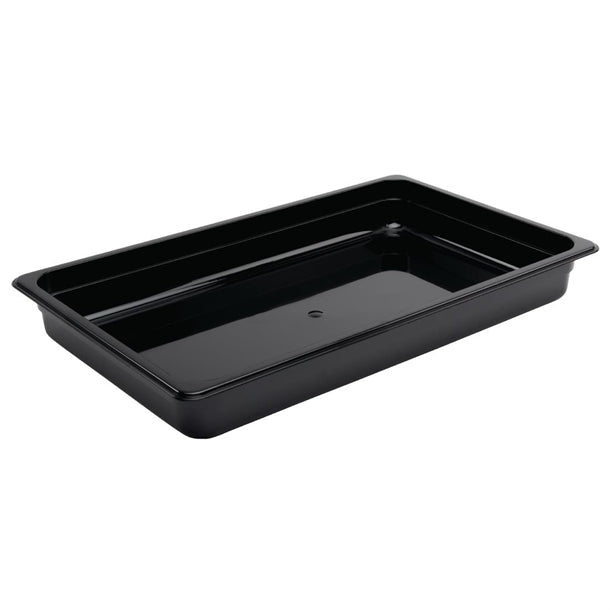
Adjustable shelving or GN tray compatibility
-
Temperature and humidity controls for freshness
-
Suitable for cafés, takeaways, buffets & food courts



Choosing the Right Hot Food Displays for Your Business
What is a hot food display used for?
What is a hot food display used for?
What types of food can be stored in a hot display?
What types of food can be stored in a hot display?
Do hot food displays cook the food or just keep it warm?
Do hot food displays cook the food or just keep it warm?
Are there different types of hot food displays?
Are there different types of hot food displays?
. Does Hospitality Connect supply commercial hot food display units?
. Does Hospitality Connect supply commercial hot food display units?


