

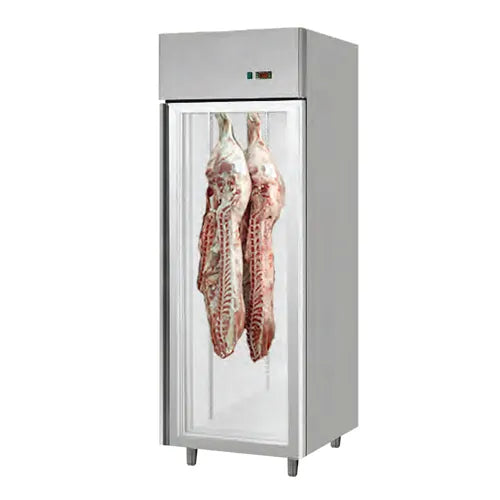
Dry aging meat is a centuries-old technique that transforms beef into a premium culinary experience. But how exactly does dry aging work, and can you use any type of meat? For Australian restaurants, steakhouses, and commercial kitchens, understanding this process is essential for delivering exceptional results.
In this guide, we'll explore the science behind dry aging, which meats are suitable, and the key equipment factors you need to consider before attempting it in your kitchen.
What Is Dry Aging?
Dry aging is the process of storing meat in a controlled environment where temperature, humidity, and air circulation are closely monitored. Over time—typically between 14 and 60 days—natural enzymes break down muscle tissue, improving texture.
Simultaneously, moisture evaporation concentrates the meat's flavour, resulting in a richer, more intense taste. This technique requires specialised commercial refrigeration equipment to maintain precise conditions throughout the aging period.
The Science Behind Dry Aging
Understanding what happens during the dry aging process helps you optimise results and avoid costly mistakes. Here's the breakdown:
Enzyme Breakdown
Natural enzymes in the meat begin to break down connective tissue and proteins, making the meat significantly more tender. This enzymatic action is what separates dry-aged beef from conventionally stored cuts.
Moisture Loss
Surface moisture evaporates in the controlled environment, concentrating the beef's natural flavours. This dehydration process intensifies the umami characteristics that premium diners expect.
Crust Formation
A hard outer crust, called the pellicle, develops on the meat's surface. This protective layer is trimmed away before cooking, leaving the tender, flavourful interior. Proper meat preparation equipment is essential for efficient trimming.
Key Takeaways: Dry Aging Process
- Enzymatic breakdown tenderises muscle fibres over 14–60 days
- Controlled moisture loss concentrates natural beef flavours
- Protective crust formation requires proper trimming before service
- Precise environmental control prevents spoilage and contamination
Can You Dry Age Any Type of Meat?
In short, no—not all meats are ideal for dry aging. Success depends on several factors including fat content, cut size, and muscle composition.
Best Choice: Beef
Beef is by far the best candidate for dry aging. Specifically, large primal cuts like bone-in ribeye, sirloin, or strip loin are ideal. These cuts have the size, fat content, and bone structure needed to withstand extended aging periods.
The intramuscular fat (marbling) protects the meat during aging and contributes significantly to flavour development. Choose only high-grade, well-marbled beef for optimal results.
Lamb and Pork
While technically possible, these meats do not benefit from dry aging in the same way as beef. They tend to spoil faster due to lower fat content and different muscle composition.
Most commercial kitchens avoid dry aging lamb and pork because the risk outweighs the modest improvement in flavour or texture.
Poultry and Fish
These proteins are not suitable for dry aging due to high spoilage risk and low fat content. The bacterial risk and rapid degradation make them poor candidates for this technique.
Meat Selection Criteria for Dry Aging
| Meat Type | Suitability | Reason |
|---|---|---|
| Beef (primal cuts) | Excellent | High fat content, large size, protective bone structure |
| Lamb | Poor | Lower fat content, faster spoilage, minimal benefit |
| Pork | Poor | Different muscle composition, limited improvement |
| Poultry | Not suitable | High spoilage risk, low fat content |
| Fish | Not suitable | Rapid bacterial growth, unsuitable muscle structure |
Quality of Meat Matters
Only high-grade, well-marbled meat should be used for dry aging. The intramuscular fat (marbling) protects the meat during the aging process and contributes to flavour development.
Low-grade cuts with minimal marbling will simply dry out rather than develop the characteristic nutty, complex flavours associated with properly dry-aged beef.
Cut Size and Bone Structure
Thicker, bone-in cuts retain moisture better and age more evenly. The bone acts as a natural shield, protecting portions of the meat from excessive moisture loss.
Thin or boneless cuts can dry out too quickly or develop off flavours. For commercial operations, this means investing in larger primal cuts that can be portioned after aging.
Essential Equipment and Environmental Factors
Successful dry aging requires precise control over several environmental variables. Commercial kitchens need dedicated equipment to maintain these conditions consistently.
Temperature Control
The ideal temperature range is 1°C to 3°C (34°F to 38°F). Even slight variations can accelerate spoilage or slow the enzymatic process. Invest in commercial refrigeration with accurate digital controls.
Humidity Management
Humidity should be maintained between 80% and 85%. Too low, and the meat dries excessively; too high, and bacterial growth becomes a risk. Many commercial operations use specialised dry aging fridges with built-in humidity monitoring.
Air Circulation
Consistent air circulation is essential for even aging and to prevent spoilage. Stagnant air pockets can create bacterial hotspots that ruin entire cuts. Ensure your refrigeration setup includes proper fan circulation.
Sanitation and Dedicated Space
A dedicated, sterile environment is crucial. Contamination can ruin the entire process and potentially waste thousands of dollars in premium beef. Use stainless steel work benches and maintain strict hygiene protocols.
Optimal Aging Timeline
| Aging Period | Flavour Profile | Best For |
|---|---|---|
| 14–21 days | Mild improvement, increased tenderness | Entry-level dry aging, cost-conscious menus |
| 28–35 days | Noticeable funk, enhanced umami | Standard premium offerings |
| 45–60 days | Intense, complex, nutty characteristics | Ultra-premium, signature dishes |
| 60+ days | Very strong, polarising flavour | Specialty markets, experienced diners only |
Commercial Kitchen Considerations
For Australian hospitality businesses considering dry aging programs, several practical factors deserve attention beyond the basic science.
Cost vs. Benefit Analysis
Dry aging results in significant weight loss (15–30%) and requires trimming the outer crust. Calculate whether your menu pricing can support these losses while maintaining profit margins.
Storage and Space Requirements
Dedicated refrigeration units take up valuable kitchen real estate. Ensure you have adequate space and that your commercial shelving can accommodate the specific needs of dry aging.
Menu Integration
Dry-aged beef works best as a premium menu item with appropriate pricing. Consider how it fits your overall concept and whether your customer base will appreciate the investment.
Key Takeaways: Commercial Dry Aging
- Requires dedicated refrigeration with precise temperature and humidity control
- Only use high-grade, bone-in beef primal cuts weighing 5+ kg
- Expect 15–30% weight loss plus additional trimming waste
- Aging periods between 28–45 days deliver optimal flavour for most markets
- Strict sanitation protocols prevent contamination and spoilage
- Premium pricing is essential to offset product loss and equipment investment
Final Thoughts
Dry aging transforms beef into a premium culinary experience—but it's not for every cut or every type of meat. Success requires high-quality, well-marbled beef cuts, precise environmental control, and dedicated equipment.
For Australian commercial kitchens, restaurants, and steakhouses, understanding how dry aging works is the first step to unlocking richer, more complex meat flavours that justify premium menu pricing.
Whether you're launching a dry aging program or refining your existing process, investing in proper food preparation equipment and maintaining strict protocols will ensure consistent, exceptional results.
Ready to elevate your kitchen's meat preparation capabilities? Explore our range of commercial refrigeration and food preparation equipment designed for Australian hospitality professionals.


