

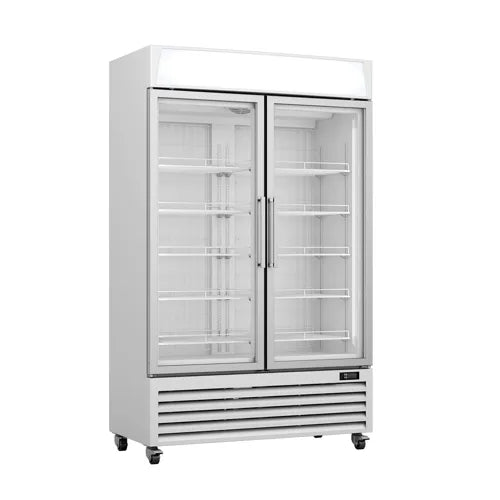
When choosing commercial refrigeration or open display units for your café, restaurant, or supermarket, understanding ambient temperature is essential. Ambient temperature refers to the surrounding air temperature where the refrigeration unit operates. This factor has a major impact on the performance, efficiency, and lifespan of your commercial fridge or display.
Key Takeaways
- Ambient temperature is the surrounding air temperature where your refrigeration unit operates
- Always choose equipment rated for your maximum summer temperatures, not winter averages
- Operating above the rated ambient temperature shortens equipment lifespan and increases energy costs
- Consider heat from people, cooking, lighting and open doors when calculating your ambient conditions
Why Ambient Temperature Matters for Commercial Refrigeration
Commercial fridges and freezers are designed to work optimally within specific ambient temperature ranges. If the ambient temperature exceeds the unit's maximum rating, the refrigeration system has to work harder, leading to increased energy consumption and potential wear on the motor.
This is especially important when selecting equipment because summer weather temperatures are often much higher than winter conditions. You should always base your choice on the maximum expected summer temperatures, not the cooler winter averages.
Factors That Affect Ambient Temperature in Your Venue
Store Environment During Business Hours
The temperature inside your café, restaurant, or supermarket during operating hours can be significantly warmer than the outside temperature. Customer traffic, cooking equipment, lighting, and open doors all contribute to higher ambient temperatures.
A venue with multiple ovens, grills, and busy foot traffic can easily see ambient temperatures rise 5–10°C above the outside temperature during peak service periods.
Store Environment When Closed
When the store is closed, the ambient temperature typically drops as heat sources are switched off and air circulation normalises. However, refrigeration units still need to maintain safe internal temperatures around the clock.
This variation means your refrigeration must cope with both the extreme heat of busy service periods and maintain efficiency during quieter, cooler periods.
Storage and Installation Location
If the refrigeration unit is installed in a non-air-conditioned area, prep kitchen, or outdoors, ambient temperatures may be even higher than in customer-facing areas. Storage rooms, loading docks, and outdoor installation sites often experience the full brunt of summer heat.
The Impact of Maximum Ambient Temperature on Equipment Performance
If you regularly run a refrigeration unit at or above its maximum ambient temperature rating, the compressor and motor work harder to maintain internal temperatures. This increased workload leads to several problems:
- Shorter equipment lifespan due to constant strain on components
- Higher electricity bills from increased energy consumption
- More frequent maintenance requirements and repairs
- Potential food safety risks if the unit cannot maintain safe temperatures
- Possible warranty issues if operated outside rated conditions
Real-World Example: Penrith, NSW
Consider a café in Penrith, Western Sydney. In winter, the maximum ambient temperature during the day is around 19°C and at night it can drop to 0°C. However, in summer, the minimum temperature can be 18°C and the maximum can soar to 43°C.
For this location, it's best to choose commercial refrigeration that can operate efficiently at or above 43°C ambient temperature. This ensures your equipment won't overwork during the hottest days, maintaining performance and longevity.
| Climate Zone | Max Summer Temp | Recommended Unit Rating |
|---|---|---|
| Temperate coastal (Sydney, Melbourne) | 35–40°C | 43°C+ |
| Hot inland (Penrith, Parramatta) | 40–45°C | 48°C+ |
| Tropical (Darwin, Cairns) | 32–38°C (high humidity) | 43°C+ tropical rated |
| Hot arid (Alice Springs) | 38–45°C | 48°C+ |
How to Choose the Right Commercial Refrigeration for Your Ambient Conditions
Check the Maximum Ambient Temperature Rating
Always verify the unit's maximum ambient temperature rating before purchase. This specification is typically found in the technical data sheet or user manual. Don't assume all commercial refrigeration is created equal—ratings can vary significantly between models and manufacturers.
Base Decisions on Summer Maximums
Make your refrigeration choice based on the hottest expected conditions, not average or winter temperatures. Research historical temperature data for your specific location, and add a safety margin of 3–5°C to account for internal heat sources.
Consider Your Specific Environment
Evaluate the specific conditions of your venue during both open and closed hours. Consider the proximity to commercial ovens, griddles, or other heat-generating equipment. Account for air conditioning capacity and whether it runs continuously or only during business hours.
Choose High-Rated Units for Hot Climates
If you operate in a hot climate or near significant heat sources, opt for refrigeration units specifically designed for high ambient temperatures. These units feature enhanced cooling capacity, larger condensers, and more robust compressors that can handle extreme conditions without compromising performance.
Maintaining Performance in High Ambient Conditions
Even with properly rated equipment, you can take additional steps to maintain optimal performance. Ensure adequate ventilation around the refrigeration unit, particularly around condenser coils and air intake areas. Keep the area clean and free from dust buildup that can insulate heat.
Regular maintenance, including cleaning condenser coils and checking door seals, helps your refrigeration work efficiently regardless of ambient temperature. Consider installing heat shields or improving air conditioning in areas where refrigeration equipment is located.
Ready to Choose the Right Commercial Refrigeration?
Choosing the right commercial refrigeration unit with proper ambient temperature tolerance ensures your food and products stay fresh, your energy costs remain manageable, and your equipment lasts longer. Understanding ambient temperature requirements protects your investment and maintains food safety standards year-round.
Browse our full range of commercial refrigeration solutions designed for Australian conditions, or contact our team for expert advice on selecting equipment suited to your specific venue and climate requirements.


