

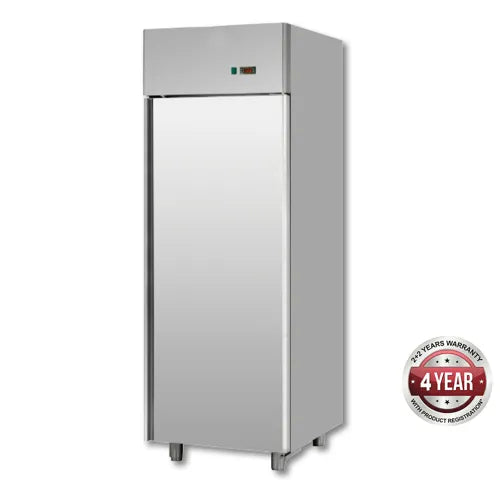
When it comes to running a food business, choosing the right refrigeration system is crucial. For bakeries, refrigeration plays an even more vital role in maintaining the freshness and quality of ingredients and baked goods. One common question business owners face is: what is the difference between a bakery fridge and a standard commercial fridge?
Understanding these key differences can help you make an informed decision that supports your business needs and preserves your products in the best possible way.
Key Takeaways
- Bakery fridges offer specialised humidity control essential for dough and pastries
- Standard commercial fridges provide versatile storage for multiple food types
- Temperature precision differs significantly between the two refrigeration types
- Glass display doors are more common in bakery-specific units
- Choosing the right fridge depends on your primary product storage needs
What is a Bakery Fridge?
A bakery fridge is a specialised refrigeration unit designed specifically for bakery products. These fridges are built to maintain consistent humidity levels and temperature to preserve delicate items like dough, pastries, and cakes.
Unlike general-purpose refrigeration, bakery fridges address the unique challenges of storing baked goods and raw dough, which are highly sensitive to environmental changes.
Key Features of a Bakery Fridge
- Humidity Control: Ideal for keeping dough from drying out and maintaining the texture of delicate pastries
- Consistent Temperature: Prevents temperature fluctuations that could impact delicate baked goods or cause dough to overproof
- Multiple Shelving Options: Adjustable shelves designed to accommodate trays of cakes, dough sheets, or other bakery items
- Glass Doors: Often come with glass display doors for better product visibility in front-of-house settings
- Fan-Assisted Cooling: Ensures even airflow across all items, especially important for pastries and dough consistency
What is a Standard Commercial Fridge?
A standard commercial fridge is a general-purpose refrigerator used in restaurants, cafes, and other hospitality businesses. These fridges are designed to store a wide range of perishable items, from meat and dairy to beverages and vegetables.
Standard commercial refrigeration units prioritise versatility and durability over specialised storage conditions. You'll find these units in most commercial kitchen setups across various hospitality venues.
Key Features of a Standard Commercial Fridge
- Wide Temperature Range: Suitable for various food items with different storage requirements
- Adjustable Shelves: Can be reconfigured for different products and container sizes
- Heavy-Duty Build: Made to withstand frequent opening and closing in busy kitchen environments
- Energy Efficient Options: Many models come with eco-friendly features to reduce operating costs
- Lockable Doors: For added security in commercial settings
Main Differences Between Bakery and Commercial Fridges
Understanding the specific differences between these two refrigeration types will help you select the right equipment for your business needs.
| Feature | Bakery Fridge | Standard Commercial Fridge |
|---|---|---|
| Humidity Control | Yes | No |
| Glass Display Option | Common | Less Common |
| Temperature Consistency | Higher Precision | Moderate Precision |
| Fan-Assisted Cooling | Standard | Optional |
| Best Use | Dough, Pastries, Cakes | Meat, Vegetables, Drinks |
Temperature and Humidity Requirements
Temperature precision is one of the most critical differences between bakery and standard commercial refrigeration. Bakery fridges maintain tighter temperature tolerances to prevent dough from fermenting too quickly or too slowly.
Standard commercial fridges typically operate between 1-4°C with minimal humidity control, which works well for most ingredients but can cause bakery items to dry out or absorb unwanted moisture.
Why Humidity Matters for Bakery Products
Dough contains active yeast that requires specific environmental conditions to maintain its properties. Too little humidity causes surface drying, while uncontrolled humidity in a standard fridge can lead to condensation that affects product quality.
For businesses focused on bakery operations, this humidity control feature alone justifies the investment in specialised refrigeration.
Display Capabilities and Customer Visibility
Bakery fridges often feature full glass doors or even glass on multiple sides, designed to showcase products to customers. This merchandising capability is essential for cafes and bakeries where visual appeal drives purchasing decisions.
Standard commercial fridges typically prioritise insulation and energy efficiency over display features. While some commercial fridges do offer glass door options, they're generally designed for back-of-house storage rather than front-of-house display.
Which One Should You Choose?
If your business primarily deals with baked goods, investing in a bakery fridge will ensure that your products stay fresh and maintain their quality. The specialised humidity control and temperature precision protect your investment in ingredients and finished products.
However, if your business needs versatile refrigeration for different food types across various menu items, a standard commercial fridge might be the better option. Many hospitality businesses operate both types to meet their diverse storage needs.
Consider Your Business Type
Dedicated bakeries, patisseries, and cafe operations with significant bakery offerings benefit most from specialised bakery refrigeration. The precision control justifies the typically higher investment cost.
Restaurants, bars, and general food service operations may find that standard commercial refrigeration meets their needs more cost-effectively, especially if bakery items represent a small portion of their menu.
Energy Efficiency Considerations
Both bakery and standard commercial fridges are available with energy-efficient features, but their operating costs differ based on design and usage patterns. Bakery fridges with glass doors may use more energy for temperature maintenance, particularly in warm environments.
Standard commercial fridges with solid doors typically offer better insulation and lower energy consumption, though this advantage diminishes if doors are opened frequently throughout service periods.
Maintenance and Durability
Bakery fridges require regular maintenance of humidity control systems and more frequent cleaning due to flour dust and sugar residue. The glass surfaces also need consistent cleaning to maintain visual appeal.
Standard commercial fridges generally have simpler maintenance requirements but must withstand more varied contents and potentially more frequent access in busy kitchen environments.
Conclusion
Understanding the difference between a bakery fridge and a standard commercial fridge is essential when choosing the right refrigeration for your business. Bakery fridges are purpose-built to preserve delicate baked goods with precision temperature and humidity control, while standard commercial fridges offer versatility for a wider range of products.
Investing in the right fridge will help maintain product quality, improve efficiency, and ultimately contribute to customer satisfaction. Consider your primary products, business model, and budget when making this important equipment decision.
Need help choosing the best refrigeration system for your bakery or business? Explore our complete range of commercial refrigeration solutions or contact our team today for expert advice tailored to your specific needs.


