

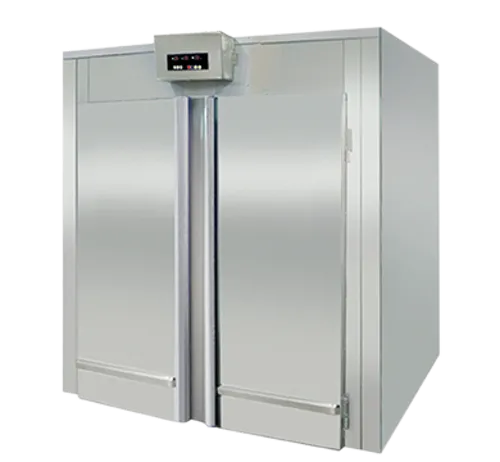
In the fast-paced environment of a commercial bakery, ensuring the perfect rise for dough is essential to producing quality baked goods. Understanding the difference between a prover and a retarder prover is crucial for bakery owners making informed decisions about equipment that suits their production needs and budget.
Both pieces of equipment serve the purpose of controlling dough fermentation, but they operate in distinctly different ways. Choosing the right equipment impacts not only your product quality but also your workflow efficiency and operational costs.
Key Takeaways
- Provers provide rapid fermentation for high-volume production, costing $5,000–$20,000
- Retarder provers combine refrigeration and proofing for flexible production schedules, costing $10,000–$35,000
- Your choice depends on production volume, workflow flexibility needs, and budget
- Retarder provers offer extended dough storage and programmable fermentation control
What is a Prover in Commercial Baking?
A prover (also called a fermentation chamber or proofing cabinet) is a piece of bakery equipment designed to provide optimal conditions for dough to rise. The prover maintains controlled temperature, humidity, and airflow to ensure that dough expands properly before baking.
Key Features of a Standard Prover
Temperature Control: Provers typically maintain temperatures between 24°C to 29°C (75°F to 85°F), depending on the dough type and recipe requirements.
Humidity Control: Built-in humidity systems ensure sufficient moisture in the air to prevent dough surface from drying out during the fermentation process.
Fast Process: Provers accelerate dough rising by creating optimal conditions for yeast activity, helping bakeries meet higher production demands efficiently.
Performance of a Prover
A prover excels in bakeries with high production volumes. It supports a faster rise, ensuring dough is ready for baking within 1-2 hours. This makes it ideal for commercial bakeries producing large quantities of bread, rolls, or pastries on a daily basis.
The streamlined design focuses on one function: creating the perfect environment for rapid fermentation. This simplicity translates to reliable performance and straightforward operation for bakery staff.
Cost of a Standard Prover
The cost of a standard prover ranges from $5,000 to $20,000, depending on cabinet size, features, and brand. This equipment is typically less expensive than a retarder prover because it doesn't include refrigeration systems or complex programmable controls.
For bakeries that need to handle fast turnover of dough with consistent daily production schedules, investing in a standard prover is often the most cost-effective option.
What is a Retarder Prover?
A retarder prover (also called a retarder-fermenter) combines the functions of both a prover and a refrigerator. This versatile piece of equipment is specifically designed to control dough fermentation over extended periods, providing significant flexibility in production scheduling.
The retarder prover allows bakers to slow down the fermentation process by refrigerating dough, then automatically switch to proofing mode when programmed. This dual functionality is perfect for bakeries requiring staggered production or overnight preparation.
Key Features of a Retarder Prover
Dual Functionality: The equipment offers both cooling and heating elements. The cooling function slows down fermentation for storage, while the heating element activates when dough is ready for its final rise.
Adjustable Time Settings: Programmable controls allow for precise management of fermentation time, making it ideal for bakeries that require flexibility in dough preparation schedules.
Production Convenience: Retarder provers enable bakeries to prepare dough in advance and store it in a retarded state until needed. This is particularly useful for businesses with varying demand throughout the day or offering fresh products at specific times.
Performance of a Retarder Prover
The retarder prover is ideal for bakeries looking to stagger production and maintain dough readiness without over-fermenting. It can be programmed to refrigerate dough overnight and then activate the proofing process right before baking.
This functionality is particularly beneficial for bakeries requiring just-in-time production or businesses specializing in artisan bread, croissants, and other laminated doughs that benefit from slow, cold fermentation.
The ability to control fermentation over extended periods gives bakeries flexibility to adjust production based on customer demand. However, the overall process timeline is longer compared to a standard prover, requiring advance planning.
Cost of a Retarder Prover
A retarder prover typically costs between $10,000 to $35,000, depending on capacity, features, and brand. The higher price reflects advanced capabilities including refrigeration systems, programmable digital controls, and dual-mode operation.
While the initial investment is substantially higher than a standard prover, the flexibility and extended shelf life of prepared dough can make it a worthwhile investment for bakeries with specific production requirements or premium product lines.
Comparing Provers and Retarder Provers
Understanding the key differences between these two types of commercial bakery equipment helps you make an informed purchasing decision based on your operational needs.
| Feature | Prover | Retarder Prover |
|---|---|---|
| Function | Provides ideal conditions for rapid fermentation | Combines refrigeration with proofing for flexible, long-term fermentation |
| Fermentation Time | Faster rise (typically 1-2 hours) | Slower rise with programmable delays (overnight or longer) |
| Cost Range | $5,000 to $20,000 | $10,000 to $35,000 |
| Ideal Use | High-production bakeries needing fast turnover | Bakeries requiring extended fermentation or staggered production |
| Flexibility | Less flexible; used for quick production cycles | Highly flexible; allows dough storage and slower fermentation for later use |
| Energy Consumption | Lower operating costs | Higher operating costs due to refrigeration |
Which Equipment Should You Choose for Your Bakery?
The choice between a prover and a retarder prover depends on several factors specific to your bakery operations, including production volume, product variety, staffing patterns, and budget constraints.
Choose a Standard Prover If:
Your bakery operates with consistent high volume and requires fast turnover throughout the day. A prover is simple, effective, and cost-efficient for bakeries with predictable production schedules.
Standard provers work well for cafes and coffee shops producing fresh bread and rolls daily, where dough is mixed, proofed, and baked within a single shift.
Choose a Retarder Prover If:
You need greater flexibility in managing dough for different times of the day or offer a wider variety of artisan products requiring extended fermentation. This equipment allows you to prepare dough during off-peak hours and have it ready for baking when needed.
Retarder provers are essential for bakeries specializing in croissants, Danish pastries, sourdough, and other products that benefit from slow, cold fermentation. They're also valuable for operations wanting to reduce labor costs by preparing dough overnight.
Integration with Other Bakery Equipment
Whether you choose a prover or retarder prover, consider how it integrates with your other commercial cooking equipment. Your fermentation equipment should work seamlessly with your deck ovens or convection ovens to create an efficient production workflow.
Plan your kitchen layout to minimize the distance between your prover and ovens. This reduces handling time and maintains optimal dough temperature during transfer.
Maintenance and Operating Considerations
Both provers and retarder provers require regular maintenance to ensure consistent performance. Standard provers have simpler maintenance requirements, primarily involving cleaning, humidity system checks, and temperature calibration.
Retarder provers require additional maintenance due to their refrigeration systems, including condenser cleaning, refrigerant level monitoring, and more complex temperature control system servicing. Factor these ongoing costs into your total cost of ownership calculations.
Conclusion: Making the Right Investment for Your Bakery
In the competitive world of commercial baking, both provers and retarder provers serve critical roles in ensuring dough is properly fermented and ready for baking. By understanding the differences between these two types of equipment, you can select the option that best suits your production needs, budget, and business goals.
Standard provers are ideal for fast production cycles and consistent daily volumes, while retarder provers offer greater flexibility and extended fermentation control, making them suitable for bakeries requiring more sophisticated dough management.
Ready to upgrade your bakery's fermentation capabilities? Explore our complete range of professional bakery equipment to find the perfect prover or retarder prover for your commercial kitchen. Our team can help you assess your production needs and recommend the right solution for your business.


