

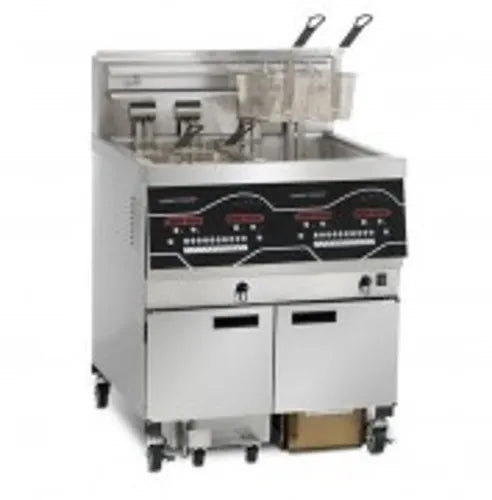
When it comes to running a successful food establishment, choosing the right commercial deep fryer can make all the difference in profitability and efficiency. Deep fryers are essential to many foodservice operations, but not all fryers are created equal. Standard deep fryers are widely used, but there's a growing trend toward investing in automated filter fryer systems—a premium option that promises notable savings in oil costs, labour, and maintenance.
In this blog post, we'll explore the key differences between a standard deep fryer and an automated filter fryer. We'll also break down how a filtered fryer can save your business thousands in operational costs annually.
Key Takeaways
- Automated filter fryers extend oil life up to 3 times longer than standard fryers
- Businesses can reduce oil costs by up to 50% annually with filtration systems
- Labour costs drop by 20-30% through automated filtration technology
- Self-cleaning systems minimise maintenance downtime and repair expenses
What is a Standard Deep Fryer?
A standard deep fryer is the most common type of frying equipment used in commercial kitchens. It's a simple yet essential tool for cooking large quantities of fried food quickly and efficiently. A basic deep fryer typically operates by heating oil to a high temperature, which is used to cook foods like chips, chicken, fish, and other crispy items.
Standard fryers often require manual oil changes, where the oil is either dumped after use or filtered manually. This process can be time-consuming and costly, especially with the volume of oil used in a busy kitchen.
Additionally, oil degradation happens quickly when food particles accumulate in unfiltered oil. This leads to more frequent oil changes, which increases operating costs significantly.
What is an Automated Filter Fryer?
An automated filter fryer is a more advanced frying system designed to reduce oil waste and improve overall efficiency. The filter fryer comes equipped with an automatic oil filtration system that constantly recycles and filters the oil, keeping it cleaner for longer periods.
Modern filter fryers feature a unique filtration process that allows oil to be filtered while the fryer is still in use. This means you don't have to stop cooking to change or clean the oil—a significant time-saver for restaurants and foodservice operations that need to produce large volumes of fried food daily.
The filtration system continuously removes food particles, carbon deposits, and other contaminants that typically degrade oil quality. This automated approach maintains optimal frying temperatures and consistent food quality throughout service.
Key Differences Between Standard and Filter Fryers
| Feature | Standard Deep Fryer | Automated Filter Fryer |
|---|---|---|
| Oil Filtration | Manual filtering or oil changes required | Automatic filtration during operation |
| Oil Lifespan | 1-2 days in high-volume settings | Up to 3x longer (3-6 days) |
| Labour Requirements | High - manual filtering and cleaning | Low - automated maintenance |
| Downtime | Frequent stops for oil maintenance | Minimal - filters during operation |
| Maintenance Frequency | Daily manual cleaning required | Reduced frequency with self-cleaning |
Oil Filtration System
Standard Fryer: Oil must be manually changed or filtered, often after each shift or as needed. Over time, the oil degrades rapidly, and the fryer needs to be cleaned more frequently to maintain food quality standards.
Filter Fryer: Features an automatic filtration system that cleans the oil during operation, allowing the fryer to be used for extended periods before needing an oil change. The system removes particles as small as 0.5 microns.
Oil Longevity
Standard Fryer: Oil degrades faster due to continuous exposure to food particles and high cooking temperatures. Frequent oil changes lead to higher costs and more waste—a significant concern for Australian businesses facing rising ingredient costs.
Filter Fryer: The filtration system extends the life of the oil by removing impurities and particles continuously, reducing the need for frequent oil replacements and delivering more consistent frying results.
Efficiency and Labour
Standard Fryer: Requires more labour investment, as staff need to manually filter or dispose of oil, as well as clean the fryer. This process can take 30-45 minutes per fryer per day in busy kitchens.
Filter Fryer: The automation reduces labour costs significantly, as the fryer's self-cleaning filtration system handles oil maintenance. This minimises downtime and increases cooking capacity during peak service periods.
Maintenance Requirements
Standard Fryer: More frequent cleaning and oil replacement are required, increasing maintenance time and associated costs. Staff must also handle hot oil, which presents safety concerns.
Filter Fryer: The self-cleaning filter reduces the frequency of deep maintenance, making it easier to manage and less prone to malfunctions. Regular filter replacement is simpler and safer than manual oil handling.
How Much Can You Save with an Automated Filter Fryer?
Switching to an automated filter fryer can result in significant savings over time across multiple operational areas. Here's a detailed breakdown of how much Australian hospitality businesses can save:
Oil Cost Savings
With an automated filter fryer, the oil is filtered regularly, allowing it to last up to three times longer than the oil in a standard fryer. This means fewer oil changes and less oil waste, leading to up to a 50% reduction in oil costs annually.
In high-volume operations, this can add up to hundreds or even thousands of dollars saved each year. For example, a busy fish and chip shop using 40 litres of oil per week could save over $3,000 annually on oil purchases alone.
Labour Cost Savings
The automated filtration system reduces the need for manual oil changes and cleaning, which means less labour is required. This can result in up to 20-30% savings in labour costs related to commercial cooking equipment maintenance.
Staff can focus on food preparation and customer service rather than time-consuming fryer maintenance. This improved efficiency is particularly valuable during peak service times when every team member counts.
Maintenance Cost Savings
The automated filter fryer's self-cleaning system minimises the need for frequent deep cleaning and maintenance, helping prevent wear and tear on the machine. This can lead to lower repair costs and less frequent servicing requirements.
The overall lifespan of the fryer can also be extended significantly—often by several years—further reducing long-term equipment replacement costs. Fewer breakdowns also mean less emergency repair expenditure and service disruption.
Overall Operational Savings
By reducing the frequency of oil changes, labour costs, and fryer maintenance, an automated filter fryer can deliver a substantial return on investment. Depending on the size of your operation, these savings can amount to thousands of dollars annually, improving the profitability of your business.
Additional benefits include improved food quality consistency, reduced environmental impact from oil disposal, and enhanced workplace safety by minimising hot oil handling.
Is a Filter Fryer Right for Your Australian Kitchen?
Filter fryers deliver the greatest value for high-volume operations that rely heavily on fried foods. This includes fish and chip shops, burger restaurants, chicken shops, pubs, clubs, and busy cafes.
The initial investment is higher than a standard deep fryer, but the operational savings begin immediately. For businesses frying more than 20kg of product daily, the cost savings typically justify the upgrade within the first 12-18 months.
Consider your current oil usage, labour costs for fryer maintenance, and the frequency of equipment issues. If you're spending significant time and money on oil changes and fryer cleaning, an automated filtration system could transform your kitchen efficiency.
Conclusion
While the upfront cost of an automated filter fryer may be higher than a standard deep fryer, the long-term savings in oil, labour, and maintenance make it a smart investment for many Australian foodservice businesses.
By improving the efficiency of oil use, reducing the need for manual labour, and minimising maintenance costs, an automated filter fryer can deliver substantial operational savings that positively impact your bottom line. The improved food quality and consistency also contribute to better customer satisfaction and repeat business.
If you're looking to maximise your kitchen's efficiency and save on ongoing operational costs, investing in a filter fryer system is a step in the right direction. The improved performance and cost savings make it a worthwhile choice for any commercial kitchen that relies on deep frying.
Ready to reduce your oil costs and improve kitchen efficiency? Explore our range of commercial deep fryers and discover how the right frying equipment can transform your operation. Contact our team today for expert advice tailored to your specific kitchen requirements.


