

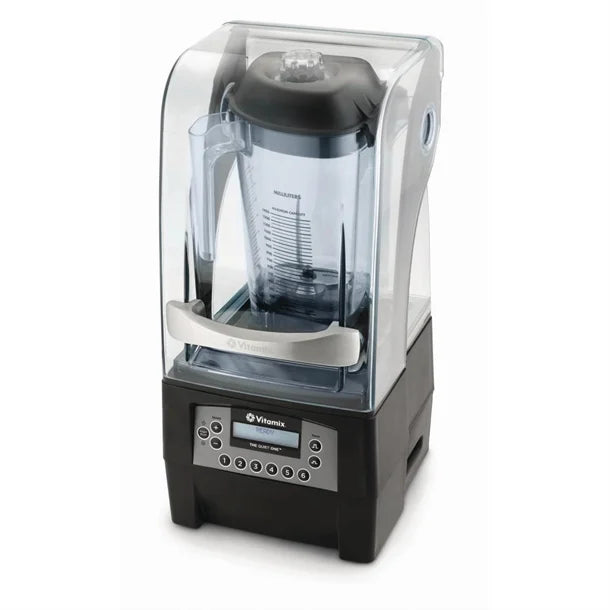
When choosing between a quiet blender and a normal blender for your hospitality business, the decision goes beyond simple preference. Blenders are essential in cafés, restaurants and hotels for creating smoothies, sauces, soups and cocktails, but not all models deliver the same customer experience.
Understanding the differences in noise levels, performance and long-term value can help you make a smarter investment for your kitchen.
Why Noise Levels Matter in Commercial Kitchens
In customer-facing hospitality environments, excessive noise disrupts ambiance and affects the dining experience. Standard blenders operate at around 85 to 95 decibels—comparable to a lawnmower or heavy traffic.
Quiet blenders use sound enclosures and advanced motor technology to reduce noise levels to approximately 65 to 75 decibels. This 20-decibel reduction makes a significant difference in maintaining conversations and creating a pleasant atmosphere for guests.
Performance and Motor Efficiency
Despite their quieter operation, quality quiet blenders don't compromise on power. Many feature high-torque motors that handle tough ingredients like frozen fruit, ice and fibrous vegetables just as effectively as standard models.
The reduced vibrations and smoother operation contribute to greater efficiency during high-volume service periods. This makes them suitable for businesses that rely heavily on food preparation equipment throughout the day.
Comparing Quiet Blenders and Normal Blenders
| Feature | Quiet Blender | Normal Blender |
|---|---|---|
| Noise Level | 65–75 decibels | 85–95 decibels |
| Sound Enclosure | Yes | No |
| Initial Cost | Higher | Lower |
| Durability | Enhanced insulation | Standard construction |
| Best For | Customer-facing areas | Back-of-house operations |
Cost Considerations and ROI
Quiet blenders typically carry a higher upfront cost due to their specialised construction and noise-dampening technology. However, if your business prioritises customer experience and relies on front-of-house blending, the investment can be justified through improved ambiance and customer satisfaction.
For operations where noise isn't a primary concern—such as back-of-house prep kitchens—a standard blender may deliver adequate performance at a lower price point.
Long-Term Value and Maintenance
The advanced insulation and superior construction of quiet blenders often result in less wear and tear over time. This translates to fewer maintenance costs and extended equipment lifespan, particularly in high-volume environments.
When calculating total cost of ownership, consider repair frequency, replacement parts and downtime—all of which favour more durable equipment.
Which Businesses Should Invest in Quiet Blenders?
Certain hospitality environments benefit significantly from reduced blender noise. If your operation falls into any of these categories, a quiet blender may be worth the premium:
Cafés and Coffee Shops
Front-counter blending for smoothies and frappes happens in close proximity to customers. A café setup that prioritises a relaxed atmosphere will benefit from quieter equipment that doesn't interrupt conversations or disrupt the workflow.
Hotel Breakfast Buffets
Hotels preparing fresh juices or smoothies in dining areas need to maintain a peaceful breakfast experience. Quiet blenders prevent jarring noise during morning service when guests expect tranquillity.
Browse hotel kitchen equipment designed for guest-facing environments.
High-End Restaurants
Fine dining establishments where ambiance is carefully curated cannot afford disruptive kitchen noise. Even when used in open kitchens or for tableside preparation, quiet blenders preserve the refined dining experience.
Juice Bars and Health Food Venues
Venues specialising in smoothie bowls, cold-pressed juices and health drinks often blend continuously throughout service. Quiet operation is essential for staff comfort and customer experience.
When a Normal Blender Is Sufficient
Not every hospitality business requires the acoustic benefits of a quiet blender. Standard models remain practical choices in these scenarios:
Back-of-House Kitchens
When blending happens away from customer areas—such as in prep kitchens or separated cooking areas—noise impact is minimal. In these environments, efficiency and cost-effectiveness take priority.
Fast-Paced Casual Eateries
Venues with naturally higher ambient noise levels, such as busy takeaway shops or food courts, won't see significant acoustic benefits from quiet blenders. Customer expectations for noise are already higher in these settings.
Budget-Conscious Startups
New businesses managing tight equipment budgets may need to prioritise other essential benchtop equipment first. A quality standard blender can deliver reliable performance while preserving capital for other investments.
Key Takeaways
- Quiet blenders reduce noise from 85–95 decibels to 65–75 decibels, significantly improving customer experience
- Despite lower noise, quiet blenders maintain high performance with powerful motors and efficient operation
- Initial costs are higher, but durability and reduced maintenance often deliver better long-term ROI
- Cafés, hotels and fine dining venues benefit most from acoustic improvements
- Back-of-house operations and budget-conscious businesses can work effectively with standard blenders
Additional Food Prep Equipment to Consider
Blenders are just one component of an efficient commercial kitchen. Depending on your menu and service style, consider complementing your blending equipment with other specialised tools.
Stick blenders offer versatility for soups and sauces directly in pots, while commercial food processors handle chopping, slicing and shredding tasks that blenders cannot.
Making the Right Choice for Your Business
The decision between a quiet blender and a normal blender ultimately depends on your specific operational needs, customer expectations and budget constraints.
Evaluate where blending occurs in your venue, how frequently you'll use the equipment, and whether noise impacts your brand positioning and customer satisfaction. For many Australian hospitality businesses, the enhanced customer experience and staff comfort justify the premium investment in acoustic technology.
Ready to upgrade your commercial kitchen equipment? Explore our full range of professional-grade blenders and food preparation equipment designed specifically for Australian hospitality businesses. Contact Hospitality Connect today for expert advice on selecting the right equipment for your venue.


