

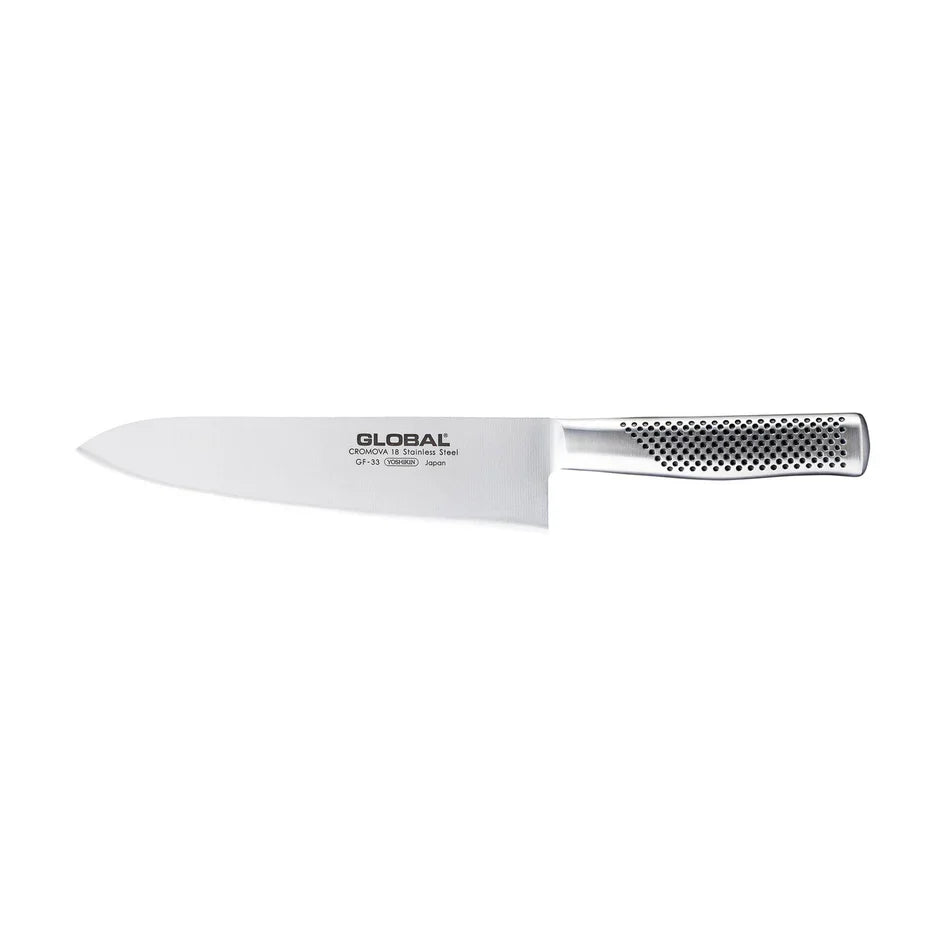
Proper chef knife cleaning is essential for maintaining performance, preventing rust, and ensuring food safety in any commercial kitchen or home environment. Whether you're working with high-carbon steel or stainless steel blades, the way you clean and store your chef knives directly impacts their lifespan and cutting performance. This comprehensive guide shows you exactly how to clean your knives the right way—and the common mistakes that can damage them permanently.
Why Proper Knife Cleaning Is Critical
Your knives are among the most valuable tools in your kitchen arsenal. Without proper cleaning and maintenance, even the highest-quality blades will deteriorate rapidly.
Regular, correct cleaning delivers four key benefits:
- Prevents rust and corrosion – especially critical for carbon steel blades
- Maintains sharpness and performance – residue and corrosion dull edges faster
- Reduces cross-contamination – essential for food safety compliance
- Extends knife lifespan – proper care can make quality knives last decades
Key Takeaways
- Always hand wash chef knives immediately after use—never use a dishwasher
- Dry knives completely with a clean towel to prevent rust formation
- Store knives properly in blocks, magnetic strips, or protective sheaths
- Clean from spine to edge to avoid cuts and protect the blade
- Carbon steel knives require light oiling after cleaning to prevent oxidation
Step-by-Step: How to Clean a Chef Knife Properly
Follow these six steps every time you use your chef knives to ensure optimal cleanliness and blade preservation. This method works for all knife types, from everyday workhorses to premium Japanese steel.
Step 1: Wash Immediately After Use
Never leave food particles, acids, or proteins sitting on your blade. Rinse your knife under running water as soon as you finish cutting to prevent staining, corrosion, and bacterial growth.
Dried-on food becomes harder to remove and can cause pitting in the blade surface, especially with acidic ingredients like tomatoes or citrus.
Step 2: Use Warm Water and Mild Dish Soap
Apply a small amount of mild dish soap to a soft sponge or cloth. Gently scrub both sides of the blade using warm (not hot) water. Hot water can damage wooden handles and some blade finishes.
Avoid abrasive scrubbers, steel wool, or harsh chemicals that can scratch the blade surface or strip protective finishes. These scratches create microscopic grooves where bacteria can hide.
Step 3: Be Careful Around the Blade Edge
Always clean by wiping from the spine (back) of the knife toward the cutting edge—never along the sharp edge itself. This motion keeps your fingers safe and prevents cutting your sponge or cloth.
Hold the knife firmly by the handle and keep your fingers well away from the blade path during cleaning.
Step 4: Rinse Thoroughly
Rinse the entire knife under clean running water to remove all soap residue. Leftover soap can leave a film that dulls the blade, affects food flavour, and attracts dirt.
Pay special attention to the area where the blade meets the handle, as soap tends to accumulate in this junction.
Step 5: Dry Immediately and Completely
Use a clean, dry towel to thoroughly dry your knife right away. Wipe from spine to edge, just as you did during washing. Never leave knives to air dry, even for a few minutes.
Moisture is the primary cause of rust formation, particularly on high-carbon steel blades. Even stainless steel can develop rust spots if left wet repeatedly. Check out our range of professional cook's knives designed for commercial durability.
Step 6: Store Properly
Once completely dry, store your knife in a proper storage solution that protects the blade and prevents accidents. Options include knife blocks, magnetic wall strips, in-drawer blade guards, or protective sheaths.
Never toss knives loose in a drawer where blades can bang against other tools—this damages edges and creates safety hazards. Proper storage also applies to other kitchen utensils and gadgets to maintain organisation and safety.
What Never to Do When Cleaning Chef Knives
Certain cleaning practices can permanently damage your knives. Avoid these common mistakes that ruin even expensive, high-quality blades.
| Never Do This | Why It's Harmful |
|---|---|
| Put knives in the dishwasher | High heat warps blades, harsh detergents corrode metal, handles crack or loosen, knives bang against other items |
| Soak knives in water | Extended water exposure causes rust, loosens handle rivets, damages wooden handles, promotes bacterial growth |
| Use steel wool or abrasive pads | Scratches blade surface, removes protective finishes, creates grooves for bacteria, damages decorative patterns |
| Leave knives dirty overnight | Food acids etch the blade, proteins bond to metal, stains become permanent, bacterial contamination increases |
| Air dry after washing | Water spots form, rust develops quickly, mineral deposits accumulate, moisture seeps into handles |
Special Care for Different Knife Types
While the basic cleaning method applies to all chef knives, certain blade materials require additional attention to prevent damage and maintain optimal performance.
Carbon Steel Knives
High-carbon steel blades require the most careful maintenance. After cleaning and drying, apply a thin coat of food-grade mineral oil to prevent oxidation. These knives develop a natural patina over time, which actually helps protect against rust.
Never soak carbon steel knives or leave them wet for any length of time—rust can form within minutes.
Stainless Steel Knives
While more resistant to corrosion, stainless steel knives still require immediate drying. The term "stainless" means stain-resistant, not stain-proof. Prolonged moisture exposure or harsh chemicals can still cause rust spots and pitting.
Damascus and Patterned Blades
Decorative Damascus or pattern-welded blades need gentle cleaning to preserve their distinctive appearance. Avoid harsh chemicals and abrasives that can fade or damage the etched patterns.
Additional Knife Maintenance Tips
Beyond daily cleaning, these maintenance practices keep your chef knives in premium condition for professional performance.
Regular Sanitisation
Occasionally sanitise your knives with a solution of one tablespoon of bleach in one gallon of water. This is especially important after cutting raw meat, poultry, or fish to eliminate harmful bacteria.
Rinse thoroughly after sanitising and dry immediately. Don't use this solution daily, as bleach can be harsh on blade finishes over time.
Cutting Surface Matters
Always use your knives on appropriate cutting boards made from wood, bamboo, or soft plastic. Hard surfaces like glass, ceramic, or metal rapidly dull knife edges and can even chip blades.
Clean your cutting boards as thoroughly as your knives to prevent cross-contamination.
Regular Sharpening and Honing
Even with perfect cleaning, knives lose their edge through normal use. Regular honing with a steel realigns the blade edge between uses, while periodic professional sharpening restores the cutting angle.
A sharp knife is actually safer than a dull one—it requires less pressure and is less likely to slip.
Commercial Kitchen Knife Care
Professional kitchens face unique challenges with knife maintenance due to high volume use and multiple staff members handling the same tools.
Establish clear protocols for knife cleaning and storage. Designate specific knives for raw proteins versus vegetables to prevent cross-contamination. Consider colour-coded knife systems for different food types.
Train all kitchen staff on proper cleaning techniques and make it part of your standard operating procedures. The few extra seconds spent cleaning correctly save money on premature knife replacement and reduce food safety risks.
Complement your knife care routine with proper food storage containers and organised stainless steel work benches to maintain overall kitchen hygiene standards.
Storage Solutions for Clean Knives
Proper storage is the final step in knife care. After investing time in cleaning and drying, protect your knives with appropriate storage.
Knife blocks keep blades separated and accessible while protecting edges. Choose blocks with horizontal slots to prevent blades resting on their edges.
Magnetic strips mounted on walls save counter space and display knives for easy selection. Ensure knives are completely dry before placing on magnetic strips to prevent rust.
In-drawer organisers with individual blade slots protect knives while keeping counters clear. These work well for smaller kitchens with limited space.
Blade guards slip over individual knives for safe storage in drawers or knife rolls. Ideal for mobile catering operations or food truck equipment setups.
Final Thoughts: Make Knife Care a Kitchen Habit
Proper chef knife cleaning takes only a few extra seconds per use, but the payoff is substantial. Your knives will maintain their sharpness longer, resist corrosion, perform better, and last for years or even decades with consistent care.
Make these cleaning steps automatic after every use. Train yourself and your staff to wash, dry, and store knives immediately—never leaving them in the sink or on cutting boards. This simple habit protects your investment and ensures your knives are always ready for precise, efficient cutting.
Remember that quality knives deserve quality care. Whether you're running a commercial kitchen or cooking at home, treating your chef knives with respect through proper cleaning and maintenance ensures they'll serve you reliably throughout your culinary career.
Ready to upgrade your kitchen knives? Browse our complete selection of professional kitchen knives and find the perfect blades for your needs. Need help choosing the right knives for your commercial kitchen? Contact our team for expert advice on building the ideal knife collection for your operation.


