

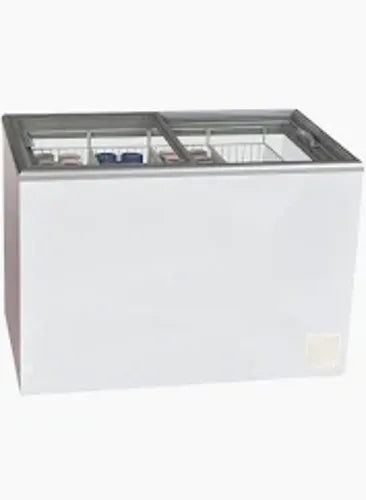
Whether you run a restaurant, café, grocery store, or catering business, choosing the right commercial freezer is essential for keeping your ingredients fresh and your operations running smoothly. But with so many options available—upright, chest, undercounter, stainless steel, and glass door models—how do you decide which one is right for your business?
This guide will walk you through the key factors to consider when buying a commercial freezer, helping you make an informed decision that meets your operational needs and fits seamlessly into your commercial kitchen space.
Key Takeaways
- Measure your available space carefully, including floor dimensions, vertical clearance, and doorway access
- Match freezer capacity to your actual storage volume requirements
- Choose the right type based on location—back of house, customer-facing areas, or under-counter spaces
- Consider energy efficiency ratings to reduce long-term operating costs
- Select door style (solid vs glass) based on functionality and merchandising needs
1. Assess Your Available Space
Before purchasing a commercial freezer, accurate measurements are critical. A freezer that doesn't fit properly can disrupt workflow, block access, or fail to operate efficiently.
When measuring your space, consider these dimensions:
- Floor dimensions: Length and width of the installation area
- Vertical clearance: Height allowance for upright models, including any overhead fixtures
- Doorway access: Ensure the unit can be delivered and manoeuvred through doorways and corridors
- Ventilation clearance: Leave adequate space around the unit for proper airflow, especially for built-in or undercounter models
If space is limited, an undercounter freezer may be your best solution. For larger kitchens or dedicated storage rooms, an upright or chest freezer can maximise your storage capacity without compromising accessibility.
2. Determine the Ideal Location
Where you plan to place your commercial freezer significantly affects which model will work best for your business. Different locations have different requirements for functionality, durability, and presentation.
Back of House / Kitchen Areas
Stainless steel upright freezers are the go-to choice for commercial kitchens. They're built for heavy-duty use, easy to clean, and resistant to corrosion from moisture and food contact. These units typically feature solid doors for superior insulation and temperature retention.
Customer-Facing Areas
Glass door upright freezers excel in retail environments, cafés, and front-of-house locations. Customers can browse frozen products without opening the door, which reduces temperature fluctuations and energy consumption while enhancing merchandising opportunities.
Compact or Prep Areas
Undercounter freezers fit beneath standard worktops, providing convenient cold storage without sacrificing valuable prep space. They're perfect for kitchens where every square metre counts.
Bulk Storage Rooms
Chest freezers require more horizontal floor space but offer deep storage capacity and excellent energy efficiency. They're ideal for storing large or bulk items in dedicated storage areas away from the main kitchen workflow.
3. Calculate Your Storage Volume Requirements
Accurately assessing your storage needs prevents you from buying too small (forcing frequent restocking) or too large (wasting energy and floor space).
Consider your operational patterns:
- Daily turnover: High-volume businesses need quick-access freezers with organised shelving
- Bulk purchasing: If you buy in bulk to reduce costs, choose larger capacity units
- Seasonal fluctuations: Account for peak periods when you'll need extra storage
- Menu complexity: Diverse menus require more compartmentalised storage
For small volumes and quick-access needs, compact upright or undercounter commercial freezers typically provide 100-300 litres of capacity. Medium to large operations should look at upright or chest freezers offering 400-1000+ litres for long-term bulk storage.
4. Compare Commercial Freezer Types
Understanding the differences between freezer styles helps you match equipment to your specific operational requirements.
| Freezer Type | Best For | Key Advantage |
|---|---|---|
| Stainless Steel Upright | Commercial kitchens, back of house | Durability and easy cleaning |
| Glass Door Upright | Retail, cafés, front of house | Product visibility and merchandising |
| Chest Freezer | Bulk storage, prep areas | Energy efficiency and deep storage |
| Undercounter Freezer | Compact kitchens, prep stations | Space saving and accessibility |
Stainless Steel Upright Freezers
These vertical units stand like a refrigerator and offer excellent organisation through adjustable shelving systems.
- Built for heavy-duty commercial use in demanding kitchen environments
- Easy to clean and maintain food safety standards
- Corrosion-resistant construction withstands moisture and cleaning chemicals
- Solid doors provide superior insulation and temperature stability
- Ideal for back-of-house operations where durability matters most
Glass Door Upright Freezers
Perfect for businesses that need to display frozen products while maintaining optimal storage temperatures.
- Excellent for merchandising frozen foods, ice cream, and beverages
- Customers can view products without opening the door, reducing temperature loss
- Ideal for cafés, convenience stores, and front-of-house areas
- Internal LED lighting enhances product visibility and appeal
- Double or triple-glazed doors minimise condensation and heat transfer
Chest Freezers
These horizontal units open from the top and provide deep storage capacity.
- Offer deep, horizontal storage perfect for large or awkwardly shaped items
- Typically more energy-efficient than upright models due to cold air retention
- Ideal for storing bulk purchases, whole proteins, or large containers
- Require more floor space but less vertical clearance
- Sliding or lift-top lids with lock options for security
Undercounter Freezers
These compact units fit beneath standard-height counters and work benches.
- Compact design perfect for kitchens with limited floor space
- Fit beneath stainless steel work benches for convenient access
- Great for frequently used ingredients or small-volume storage
- Available with drawer or door configurations depending on your workflow
- Maintain prep space above while adding storage below
5. Evaluate Energy Efficiency and Temperature Control
Energy efficiency directly impacts your operating costs and environmental footprint. With commercial refrigeration running 24/7, even small efficiency improvements add up to significant savings.
Look for these energy-saving features:
- Energy rating labels: Higher star ratings indicate better efficiency
- Digital temperature controls: More accurate than mechanical thermostats, preventing temperature fluctuations
- Auto-defrost functions: Prevent ice buildup that reduces efficiency and storage capacity
- Eco-friendly refrigerants: Modern refrigerants like R290 (hydrocarbon) reduce environmental impact
- High-density insulation: Thicker insulation maintains temperature with less compressor runtime
- LED lighting: Consumes less energy and generates minimal heat compared to traditional bulbs
Additional Considerations for Australian Businesses
When selecting commercial freezers for Australian hospitality operations, keep these factors in mind:
Temperature Range
Ensure your freezer can maintain -18°C or lower for proper food safety compliance. Some models offer dual-zone or adjustable temperature settings for different storage requirements.
Build Quality and Warranty
Commercial-grade construction with reinforced hinges, heavy-duty door seals, and quality compressors will outlast domestic-grade units. Look for comprehensive warranties that cover both parts and labour.
Maintenance Requirements
Consider ease of maintenance when choosing your unit. Removable shelving, accessible drain points, and serviceable components make routine cleaning and repairs simpler.
Compliance and Certification
Verify that your chosen freezer meets Australian food safety standards and carries appropriate electrical safety certifications for commercial use.
Quick Decision Guide
- Limited space: Choose undercounter or compact upright freezers
- Front of house: Select glass door uprights for merchandising
- Back of house: Opt for stainless steel uprights for durability
- Bulk storage: Consider chest freezers for capacity and efficiency
- High turnover: Pick uprights with adjustable shelving for organisation
- Energy costs: Prioritise high-efficiency models with quality insulation
Making Your Final Decision
Choosing the right commercial freezer involves balancing multiple factors: available space, storage volume, location requirements, and budget constraints. The ideal freezer for your business should enhance workflow efficiency, protect food quality, and deliver reliable performance for years.
Whether you select a sleek stainless steel upright for your busy kitchen, a customer-friendly glass door unit for your café, a deep chest freezer for bulk storage, or a space-saving undercounter model for your prep area, the right choice will keep your ingredients fresh, your operations efficient, and your customers satisfied.
Ready to find the perfect commercial freezer for your Australian hospitality business? Browse our full range of commercial freezers or contact our team for personalised advice tailored to your specific requirements. We'll help you choose equipment that meets your needs and budget while supporting your business growth.


