

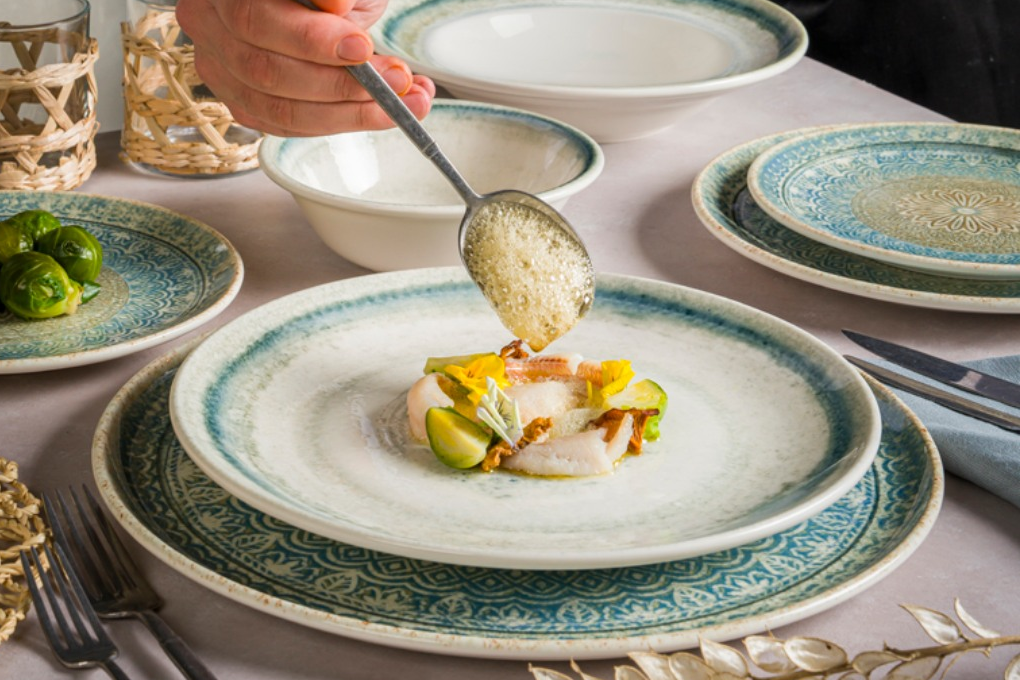
Commercial crockery is one of the most important operational investments in any Australian hospitality venue. The plates and bowls you choose directly influence presentation, durability, service efficiency and long-term replacement costs.
Explore our full range of commercial crockery designed for Australian cafés and restaurants.
What Is Commercial Crockery?
Commercial crockery refers to dinnerware manufactured specifically for professional hospitality environments. Unlike retail homeware, commercial-grade plates and bowls are engineered to withstand high-impact use and repeated industrial dishwashing cycles.
Key characteristics of true commercial crockery include:
- Fully vitrified porcelain or reinforced stoneware bodies
- Rolled or reinforced edges to minimise chipping
- High thermal shock resistance
- Stackable design for storage efficiency
- Compatibility with commercial dishwashers and detergents
- Compliance with Australian food safety standards
Retail dinnerware often looks similar but lacks the density and reinforcement required for daily commercial service. Over time, this results in higher breakage rates and inconsistent replacements.
Why Material Strength Matters in Australian Hospitality
In Australian cafés and restaurants, crockery may be washed 5 to 15 times per day depending on service volume. Exposure to high-temperature dishwashers, chemical detergents and constant stacking creates significant wear.
Fully vitrified porcelain remains the industry standard because it is fired at extremely high temperatures, creating a dense, non-porous body that resists moisture absorption, staining and surface scratching. Browse professional porcelain dinnerware collections designed for commercial use.
Stoneware crockery is increasingly popular in contemporary venues for its rustic aesthetic, while melamine dinnerware and commercial melamine plates are commonly used in fast-casual and outdoor environments due to their impact resistance.
Bone china dinnerware remains preferred in premium dining settings for its lighter weight and refined presentation.
The correct material depends on your service style, turnover rate and brand positioning.

Australian Compliance Requirements for Commercial Crockery (2026)
All crockery used in commercial food service must comply with the Australia New Zealand Food Standards Code. Dinnerware must be:
- Non-toxic and safe for food contact
- Free from harmful chemical migration
- Smooth and easily cleanable
- Resistant to cracking and chipping
- Non-absorbent to grease and moisture
Chipped or cracked crockery must be removed from service immediately to maintain compliance during food safety inspections.
When purchasing imported dinnerware, ensure it meets Australian lead and cadmium release limits and is manufactured under recognised quality standards.
Commercial Crockery Materials Explained
Choosing the right material is the most important decision when selecting commercial crockery. Durability, weight, presentation and long-term cost all depend on material composition and manufacturing process.
Porcelain
Porcelain is the most widely used material in Australian hospitality. It is fired at extremely high temperatures, creating a dense, non-porous and fully vitrified body that resists moisture absorption and surface scratching.
Advantages:
- High durability and chip resistance
- Compatible with commercial dishwashers
- Oven and microwave safe in most cases
- Professional, clean presentation
- Strong stacking performance
Best suited for: High-volume cafés, restaurants, clubs and catering venues.
Fully vitrified porcelain remains the industry standard for strength and consistency.

Bone China
Bone china combines clay with bone ash to produce a lighter, more translucent material without compromising structural strength.
Advantages:
- Lightweight and refined appearance
- Thinner profile while retaining durability
- Elegant presentation for premium dining
Best suited for: Fine-dining restaurants, hotels, function venues, and banqueting environments.
Commercial bone china is significantly stronger than domestic versions, but should still be handled carefully in high-turnover service environments.

Stoneware
Stoneware is thicker and heavier than porcelain, offering a more rustic and contemporary aesthetic. It is commonly used in modern Australian cafés where presentation plays a strong branding role.
Advantages:
- Textured and reactive glaze finishes
- Earthy, contemporary styling
- Solid feel in hand
Considerations:
- Generally heavier than porcelain
- Slightly higher breakage risk compared to fully vitrified porcelain
Best suited for: Artisan cafés, share-style dining and contemporary restaurants.

Melamine
Melamine is a high-impact resin designed to mimic the appearance of ceramic while offering superior breakage resistance. It is widely used in fast-casual venues and outdoor dining environments.
Advantages:
- Extremely durable and lightweight
- Ideal for high-risk breakage environments
- Lower long-term replacement cost
Important limitations:
- Not suitable for ovens or microwaves
- Must be used within the manufacturer's temperature guidelines
Best suited for: Outdoor dining, fast-casual venues, aged care, and institutional settings.

Opal Glass
Opal glass crockery offers a lightweight alternative to porcelain while maintaining strong durability. It is resistant to thermal shock and suitable for high-turnover service environments.
Advantages:
- Lightweight handling
- Strong resistance to breakage
- Easy to clean
Best suited for: Busy cafés and venues prioritising durability and ease of handling.
Material Comparison Overview
| Material | Durability | Weight | Presentation Style | Best Use Case |
|---|---|---|---|---|
| Porcelain | High | Medium | Classic | Most commercial venues |
| Bone China | Medium-High | Light | Premium | Fine dining |
| Stoneware | Medium | Heavy | Rustic / Contemporary | Modern cafés |
| Melamine | Very High | Light | Casual | Fast casual / Outdoor |
| Opal Glass | High | Light | Clean | High turnover service |
Best Commercial Crockery by Venue Type
The right commercial crockery depends heavily on your service model, turnover rate and brand positioning. A high-volume suburban café has very different requirements compared to a premium hotel restaurant or an outdoor fast-casual venue.
High-Volume Cafés & Busy Restaurants
Venues turning tables rapidly require fully vitrified porcelain with reinforced edges and strong stackability. Durability and easy replacement availability are critical.
Recommended Materials: Fully vitrified porcelain
Key Features to Prioritise:
- Rolled or reinforced rims
- Scratch-resistant glaze
- High stack stability
- Consistent Australian stock availability
Suitable Brands:
These ranges balance durability and affordability while maintaining a professional presentation suitable for daily commercial use.

Contemporary & Artisan Cafés
Modern Australian cafés increasingly prioritise presentation aesthetics. Textured glazes, organic shapes and earthy tones are common, but durability must still meet commercial standards.
Recommended Materials: Stoneware or textured porcelain
Key Features to Prioritise:
- Fully vitrified body
- Scratch-resistant glaze finish
- Practical stack design
Suitable Brands:
These collections allow venues to elevate plating while maintaining commercial-grade performance.

Fine Dining & Hotel Restaurants
Premium venues typically favour refined materials with lighter profiles and sophisticated finishes. Presentation quality and edge definition are important.
Recommended Materials: Bone china or high-grade porcelain
Key Features to Prioritise:
- Precision mould finish
- Elegant thin profile
- High firing temperature production
Suitable Brands:
- Royal Bone China
- Bonna (select premium ranges)
- Royal Porcelain
These ranges deliver a refined dining experience while remaining suitable for professional service environments.

Healthcare & Institutional Settings
Healthcare and aged care facilities require maximum durability, ease of cleaning, and reliable supply continuity. Stackability and temperature resistance are critical.
Recommended Materials: Fully vitrified porcelain or melamine
Key Features to Prioritise:
- Reinforced rims
- Glazed foot to prevent abrasion
- High chemical resistance
Suitable Brands:
Melamine is particularly effective in reducing breakage risk in high-movement environments.

Outdoor Dining & Fast Casual
Outdoor venues and fast-casual concepts face a higher risk of breakage due to mobility and self-service.
Recommended Materials: Melamine dinnerware
Key Features to Prioritise:
- Impact resistance
- Lightweight handling
- Temperature compliance within safe use guidelines
Suitable Brands:
While melamine cannot be used in ovens or microwaves, it significantly reduces replacement costs in high-risk environments.

Leading Commercial Crockery Brands at Hospitality Connect
Hospitality Connect stocks a curated range of commercial crockery brands suited to Australian cafés, restaurants, hotels and institutional venues. Below is an overview of the leading collections available, with direct access to each range.
Bonna Dinnerware
Bonna is a premium Turkish manufacturer known for scratch-resistant glazes, bold colours and contemporary textures. Many ranges include a lifetime chip warranty, making them ideal for modern restaurants and design-focused venues that require both presentation impact and commercial durability.
Olympia Athena
Olympia Athena is a dependable fully vitrified whiteware solution designed for high-volume service. Reinforced rolled edges and strong glaze protection help minimise chipping under commercial dishwashing conditions.
This range is particularly suitable for cafés, catering businesses and healthcare environments.
Royal Porcelain
Royal Porcelain offers precision-moulded commercial porcelain fired at high temperatures for improved durability. Its coupe and rimmed designs suit both traditional and contemporary dining settings.
Royal Bone China
Royal Bone China dinnerware provides a refined, lightweight alternative to standard porcelain. Its thinner profile and translucent finish make it ideal for fine dining restaurants and hotel service.
Zuma Crockery
Zuma is a popular option across Australian cafés seeking earthy tones and contemporary finishes at an accessible price point. Fully vitrified construction provides solid durability for daily commercial use.
Ryner Melamine
Ryner Melamine offers lightweight, impact-resistant dinnerware designed for environments where breakage risk is high, including aged care, outdoor dining and fast-casual venues.
Superware Melamine
Superware Melamine is engineered to replicate the appearance of ceramic while offering superior impact resistance. It is suitable for high-traffic service environments requiring reduced replacement costs.
Tablekraft Collections
Available Ranges:
- Tablekraft Core
- Tablekraft Soho
- Tablekraft Urban Loft
- Tablekraft Artistica
- Tablekraft Provincial
- Tablekraft Dinnerware
Tablekraft offers a broad range of white and contemporary porcelain collections suited to cafés, restaurants and catering venues. Core is ideal for practical whiteware applications, while Soho, Urban Loft and Artistica focus on presentation-driven dining.
Vitroceram
Vitroceram opal glass dinnerware offers lightweight durability and resistance to thermal shock, making it suitable for high-turnover hospitality service.
Brew
Brew focuses on café-driven crockery and hospitality tableware solutions that prioritise practicality and availability.
Bevande
Bevande is well known across Australia for coloured café cups and versatile tableware. It offers strong availability and practical pricing for café operators.
Frequently Asked Questions About Commercial Crockery
What is the best material for commercial crockery in Australia?
Fully vitrified porcelain is considered the industry standard for Australian hospitality venues due to its durability, resistance to moisture absorption and compatibility with commercial dishwashers. Stoneware is popular for modern cafés, while melamine is preferred in high-breakage environments.
How long should commercial crockery last?
High-quality commercial crockery should last between 3 to 7 years in a busy venue, depending on service volume and handling practices. Premium ranges with reinforced rims and chip warranties may last longer under controlled service conditions.
Is melamine safe for commercial food service?
Yes. Commercial melamine dinnerware is food-safe when used within manufacturer temperature guidelines. It should not be used in ovens or microwaves but is ideal for outdoor dining, aged care and fast-casual venues.
How much crockery does a café need?
Most cafés require at least 2 to 3 times their seating capacity in plates and bowls to maintain service flow during peak periods. For example, a 60-seat café should typically hold 120 to 180 main plates.
Does commercial crockery need to meet Australian standards?
Yes. All dinnerware used in food service must comply with the Australia New Zealand Food Standards Code. It must be non-toxic, smooth, easily cleanable and resistant to cracking and chipping.
What causes commercial crockery to chip?
Common causes include improper stacking, metal contact during washing, thermal shock from extreme temperature changes and impact during transport. Choosing rolled-edge or reinforced-rim designs reduces chipping risk.
Is bone china strong enough for commercial use?
Commercial-grade bone china is durable and suitable for fine dining and hotel environments. However, it is best used in controlled service settings rather than high-turnover fast casual venues.
How do I reduce crockery replacement costs?
Select fully vitrified porcelain or reinforced melamine, train staff on stacking practices and purchase from brands with strong Australian stock availability to maintain consistent replacements.


