

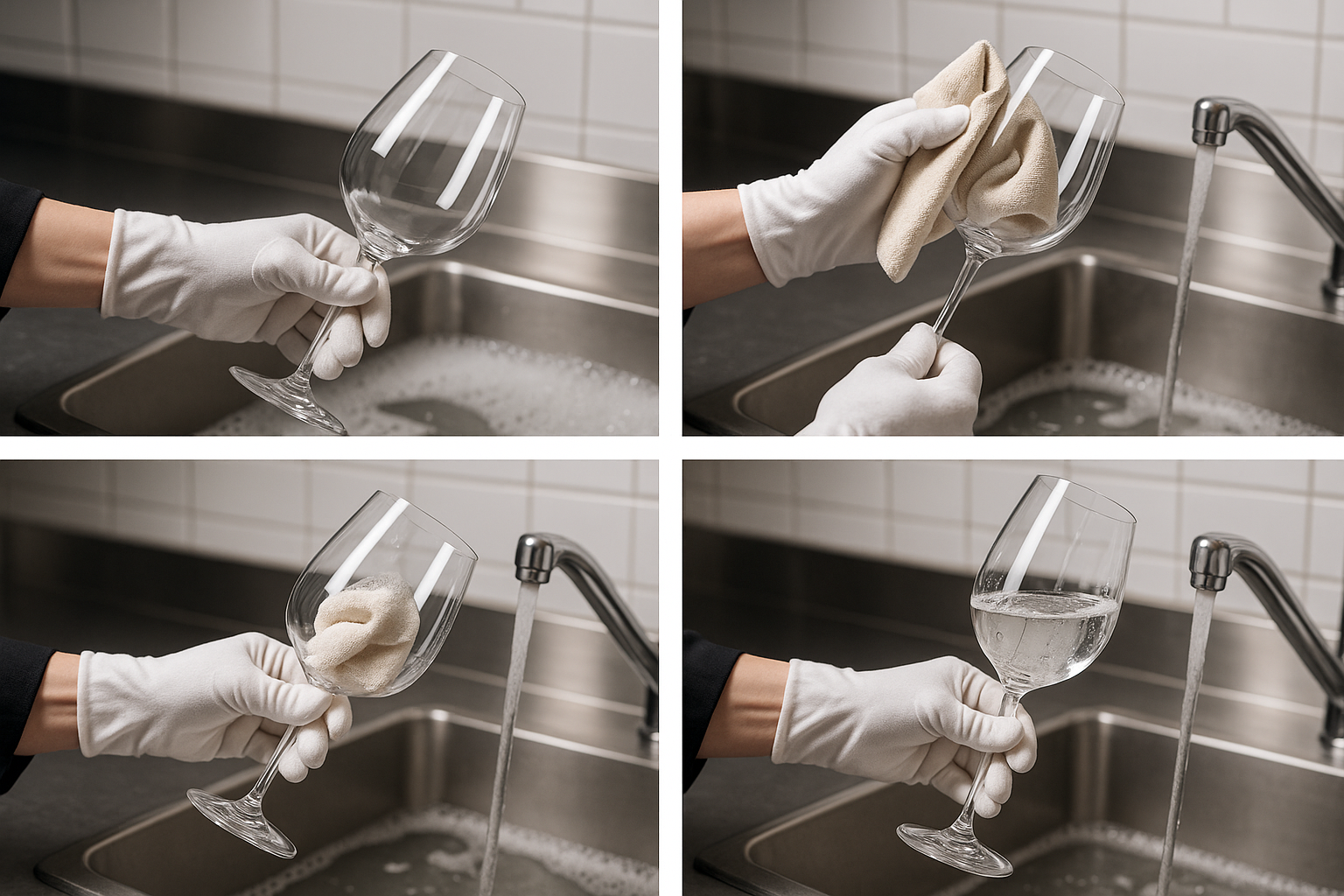
Cleaning wine glasses properly is essential for maintaining their clarity and ensuring the best wine-drinking experience. Whether you're running a commercial bar or caring for glassware at home, knowing the best way to clean a wine glass without streaks, scratches, or cloudiness makes all the difference. Wine glasses are delicate and require specific techniques to keep them looking pristine.
At Hospitality Connect, we understand that properly cleaned glassware is crucial for both professional establishments and wine enthusiasts. Here's your complete guide to achieving a crystal-clear finish every time.
Key Takeaways
- Rinse wine glasses immediately after use to prevent residue buildup
- Use a dedicated glass brush for safe, effective cleaning without scratches
- Hand washing is gentler than dishwashers and preserves glass brilliance
- Hot water rinsing and proper drying techniques eliminate water spots
- Store glasses upright or hanging to prevent dust and chipping
Why Proper Wine Glass Cleaning Matters
Wine glasses aren't just vessels—they're designed to enhance aroma, flavor, and presentation. Stubborn lipstick stains, water spots, and lingering odors can interfere with the wine-tasting experience. For commercial venues, spotless wine glasses are also essential for maintaining professional standards and customer satisfaction.
The right cleaning method protects delicate crystal, prevents etching, and ensures your glassware sparkles for years to come.
Step 1: Rinse Immediately After Use
One of the golden rules of wine glass care is to rinse your glass as soon as you're done using it. This simple step prevents wine residue, tannins, or sugar from drying and bonding to the glass surface, which makes cleaning much harder later.
Best practices for rinsing:
- Use warm water, not hot, to avoid thermal shock that can crack delicate crystal glasses
- Avoid cold water for red wine stains, as it may set the color into the glass
- Swirl warm water inside the bowl to loosen any residue before washing
Step 2: Use a Gentle Glass Brush for Deep Cleaning
A dedicated glass brush is the safest and most effective tool for cleaning wine glasses, especially those with tall stems or narrow bowls. Unlike abrasive sponges or regular cloths, a proper wine glass brush features soft, flexible bristles designed to reach every curve without scratching the surface.
How to clean with a glass brush:
- Fill your sink or a basin with warm water and add a small amount of mild, fragrance-free dish soap
- Dip the glass brush in soapy water and gently scrub the inside and outside of the glass
- Pay extra attention to the rim where lipstick, oils, or residue often accumulate
- Avoid applying excessive pressure, which could crack delicate crystal glassware
- Clean the stem and base with the same gentle circular motions
Step 3: Rinse with Hot Water for a Spot-Free Shine
After scrubbing, rinse the glass thoroughly with hot water. The elevated temperature helps break down any remaining soap residue and accelerates drying time, which significantly reduces the formation of water spots.
Hold the glass at an angle under running hot water, rotating it to ensure all soap is completely removed. Any soap left behind will create streaks or cloudiness once the glass dries.
Step 4: Dry Carefully with a Lint-Free Cloth
Drying technique is just as important as the washing process. Using the wrong towel can leave behind lint, fibers, or streaks that ruin your hard work.
Proper drying technique:
- Use a lint-free microfiber or smooth cotton cloth specifically reserved for glassware
- Hold the glass firmly by the bowl—never twist while holding the stem
- Gently twist the cloth around the inside and outside of the bowl
- Avoid holding the stem while twisting the bowl, as this pressure can snap delicate stems
- Dry the stem and base separately with gentle strokes
For professional settings like restaurants or bars, consider keeping dedicated dishwashing and cleaning cloths separate from food preparation towels.
Step 5: Polish for Extra Sparkle
For special occasions or commercial presentation, you can give your wine glasses an extra polish to achieve restaurant-quality clarity.
Professional polishing method:
- Bring a small pot of water to a gentle simmer
- Hold the glass over the steaming water for 3-5 seconds to create a light moisture coating
- Immediately use a dry microfiber cloth to polish in circular motions
- Buff until the glass is completely crystal clear and streak-free
This technique is commonly used in fine dining establishments and wine bars to ensure glassware presentation meets the highest standards.
Comparing Cleaning Methods: Hand Washing vs. Dishwasher
| Method | Pros | Cons |
|---|---|---|
| Hand Washing | Gentle on delicate glass, prevents etching, allows careful inspection, maintains brilliance | More time-consuming, requires proper technique |
| Dishwasher | Fast and convenient, consistent temperature | Can cause etching, cloudiness, water spots, stem breakage, detergent residue |
Additional Wine Glass Care Tips
Avoid Dishwashers When Possible
While many modern wine glasses claim to be dishwasher-safe, repeated exposure to high heat, harsh detergents, and water pressure can cause etching and cloudiness over time. Hand washing is gentler and preserves the glass's original brilliance, especially for crystal stemware.
Skip Harsh Detergents and Fragranced Soaps
Strong chemical cleaners and scented dish soaps can leave lingering odors that interfere with wine aromas. Always choose mild, fragrance-free soap specifically designed for delicate items. Commercial venues should use professional-grade cleaning chemicals formulated for glassware.
Store Properly to Prevent Damage
Storage method significantly impacts glass longevity and cleanliness:
- Store glasses upright on shelving rather than hanging if space permits, to reduce rim stress
- If using glass racks, ensure stems are properly supported
- Keep glasses away from strong-smelling items that might transfer odors
- Use cabinet liners or commercial commercial shelving designed for glassware protection
Address Hard Water Spots
If water spots have already formed, create a solution of equal parts white vinegar and warm water. Soak the glasses for 10-15 minutes, then wash with a glass brush and rinse thoroughly. This method safely removes mineral deposits without scratching.
Essential Tools for Professional Wine Glass Care
Having the right equipment makes wine glass cleaning more efficient and effective:
- Glass brushes: Soft-bristled brushes with long handles for reaching deep bowls
- Lint-free cloths: Dedicated microfiber or smooth cotton towels
- Mild dish soap: Fragrance-free, gentle formulations
- Drying rack: Allows glasses to air-dry in a protected position
- Storage solutions: Glass racks or padded shelving for safe storage
For commercial kitchens, investing in quality utensils and gadgets designed for professional glassware care ensures consistency across your venue.
Special Considerations for Commercial Venues
Restaurants, bars, cafes, and catering operations have unique glassware needs. High-volume establishments should implement these practices:
- Train all staff on proper wine glass handling and cleaning techniques
- Establish dedicated glass washing stations separate from cookware cleaning
- Inspect glasses under good lighting before service to catch any spots or damage
- Maintain adequate stock to avoid rushing the cleaning process
- Replace clouded or scratched glasses promptly to maintain presentation standards
Whether you operate a cafe or coffee shop, fine dining restaurant, or hotel kitchen, glassware presentation directly impacts customer perception and satisfaction.
Common Wine Glass Cleaning Mistakes to Avoid
| Mistake | Why It's Problematic | Better Alternative |
|---|---|---|
| Using abrasive sponges | Creates microscopic scratches that cloud glass over time | Use soft glass brushes only |
| Twisting stem while drying | Can snap delicate stems instantly | Hold bowl firmly, twist cloth instead |
| Air drying without rinsing | Leaves mineral deposits and water spots | Hot water rinse, then hand dry immediately |
| Storing glasses while damp | Promotes musty odors and water spots | Ensure completely dry before storage |
Final Thoughts
The best way to clean a wine glass combines warm water, mild soap, a quality glass brush, and proper drying technique. This method ensures your wine glasses maintain their crystal-clear appearance while protecting them from scratches, cloudiness, and damage.
Proper glassware care isn't just about aesthetics—it directly impacts the wine-tasting experience by preserving clarity and eliminating residue or odors. Whether you're maintaining a commercial bar's standards or caring for cherished stemware at home, investing time in correct cleaning techniques pays dividends in glass longevity and presentation quality.
At Hospitality Connect, we provide Australian hospitality and commercial kitchen businesses with everything needed for professional glassware care. From premium wine glasses to complete bar accessories, we supply the tools that make a difference in delivering exceptional service.
Ready to elevate your glassware standards? Explore our complete range of professional drinkware and cleaning solutions designed specifically for Australian hospitality venues.


