

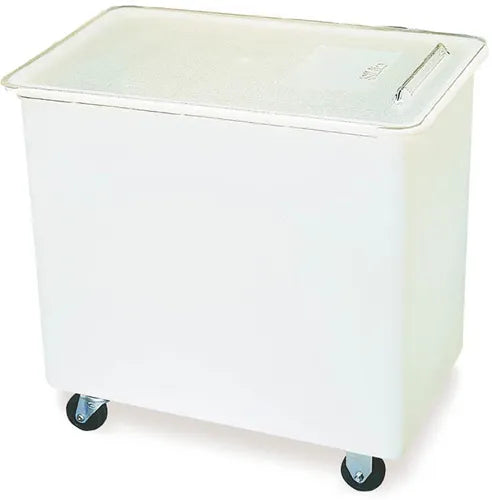
The best way to store flour and sugar is in airtight, food-grade ingredient bins designed specifically for dry goods. These kitchen staples are essential whether you're baking bread, creating desserts, or running a commercial bakery. Without proper storage, flour and sugar quickly attract pests, lose freshness, and become clumpy or stale.
Let's explore how professional-grade storage solutions can protect your ingredients, extend shelf life, and maintain kitchen hygiene standards.
Why Proper Flour and Sugar Storage Matters
Storing flour and sugar correctly isn't just about organisation—it's essential for food safety and cost control. Poor storage practices lead to contamination, waste, and pest infestations that can shut down commercial kitchens.
Here's what proper storage prevents:
- Pest infestations from bugs and weevils
- Moisture absorption causing clumping and mould
- Loss of product freshness and baking quality
- Food waste and unnecessary replacement costs
- Health code violations and contamination risks
Best Practices for Storing Flour and Sugar
Following professional storage guidelines ensures your dry ingredients remain fresh, safe, and ready to use. These practices apply to both home kitchens and commercial operations.
Use Airtight Ingredient Bins
Always transfer flour and sugar into airtight, food-safe containers with tight-fitting lids. This creates a barrier against air, moisture, and pests. Quality ingredient bins are purpose-built for this protection.
Avoid leaving ingredients in their original paper or plastic packaging, which tears easily and offers no real pest protection.
Store in a Cool, Dry Place
Temperature and humidity control are critical. Keep storage bins in a temperature-controlled pantry or storeroom, away from direct sunlight, heat sources, and areas with temperature fluctuations.
Ideal storage conditions are between 10-21°C with low humidity. Avoid storing near ovens, dishwashers, or external walls that may cause condensation.
Label and Rotate Stock
Clear labelling prevents mix-ups and helps track freshness. Label each bin with contents, purchase date, and expiry date. Implement the FIFO method (First In, First Out) to ensure older stock is used before newer purchases.
This practice is especially important in commercial kitchens where multiple staff members access food storage containers throughout the day.
Key Takeaways
- Transfer flour and sugar from original packaging into airtight bins immediately
- Store in cool, dry locations away from heat and moisture sources
- Label all containers with contents and dates for proper rotation
- Choose food-grade materials that meet commercial kitchen standards
- Regular cleaning and inspection prevent contamination
Top Ingredient Storage Solutions for Commercial Kitchens
Professional-grade storage bins are built to withstand daily commercial use while maintaining strict food safety standards. Here's what makes each brand stand out.
| Brand | Key Features | Best For |
|---|---|---|
| Vogue | Heavy-duty plastic, clear lids, multiple sizes | Cafes and restaurants |
| Cambro | Casters, scoops included, stackable | High-volume kitchens |
| Rubbermaid | NSF-certified, sliding lids, ergonomic | HACCP-compliant operations |
| Simply Stainless | Stainless steel, corrosion-resistant | Premium commercial use |
Vogue Ingredient Bins
Vogue bins offer durability and practical design for busy commercial environments. Made from heavy-duty food-grade plastic, they feature clear lids that let you check contents at a glance without opening the container.
These bins come in various sizes to accommodate both small and large quantities, making them suitable for bakery operations of any scale. The robust construction handles frequent daily use without cracking or warping.
Cambro Ingredient Bins
Cambro is an industry-leading brand recognised globally for food-safe storage solutions. Their ingredient bins come with casters for easy mobility—essential when moving large quantities of flour or sugar around busy kitchens.
The airtight lids and included scoops make portioning convenient and hygienic. Stackable designs maximise vertical storage space, important for kitchens with limited floor area.
Rubbermaid Ingredient Bins
Rubbermaid bins carry NSF certification for food safety, meeting strict health code requirements. The ergonomic design features sliding lids that make access easy even when bins are stacked or placed on high shelves.
Available in multiple capacities, these bins are excellent for HACCP-compliant kitchens where traceability and contamination prevention are priorities. They're suitable for both front-of-house and back-of-house use.
Simply Stainless Bins
Simply Stainless bins represent the premium option for professional kitchens demanding maximum durability and hygiene. Made from high-grade stainless steel, they resist corrosion, rust, and staining even after years of use.
The material is easy to clean and sanitise, maintaining appearance and food safety standards. These bins work perfectly alongside other stainless steel work benches and storage for a cohesive, professional kitchen setup.
Natural Pest Prevention Methods
Even with quality bins, adding natural deterrents provides extra protection. Some commercial kitchens place bay leaves inside storage bins—the scent naturally repels weevils and mites without affecting flour or sugar.
Food-grade diatomaceous earth in small sachets offers another natural option. This powder damages pest exoskeletons while remaining completely safe for food contact surfaces.
Choosing the Right Storage for Your Kitchen
Consider your specific needs when selecting ingredient bins. High-volume cafe and coffee shop operations need larger capacity bins with easy access, while smaller venues may prioritise space-saving stackable options.
For mobile operations, bins with casters and handles offer portability. Food truck and mobile catering setups benefit from secure-locking lids that prevent spills during transport.
Capacity Planning
Calculate your weekly flour and sugar usage to determine appropriate bin sizes. Commercial operations typically benefit from multiple smaller bins rather than one large container—this allows better stock rotation and reduces contamination risk if one batch becomes compromised.
| Kitchen Type | Recommended Capacity | Number of Bins |
|---|---|---|
| Small cafe | 20-40L per ingredient | 2-4 total |
| Medium restaurant | 40-80L per ingredient | 4-6 total |
| Large bakery | 80-150L per ingredient | 6-10 total |
| Industrial production | 150L+ per ingredient | 10+ total |
Maintenance and Cleaning Guidelines
Regular cleaning maintains hygiene and extends bin life. Empty and wash bins completely every 4-6 weeks, or whenever switching to a new flour or sugar batch. Use warm soapy water and ensure bins are completely dry before refilling.
Inspect seals and lids regularly for wear. Damaged seals compromise airtight protection and should be replaced immediately. Most quality bins offer replacement parts to extend the product's working life.
Complete Your Kitchen Storage System
Proper ingredient storage works best as part of an integrated system. Pair your bins with appropriate commercial shelving for organised access and efficient workflow.
Position bins near your food preparation equipment to minimise movement and improve kitchen efficiency. This setup reduces contamination risk and speeds up service during busy periods.
Protect Your Investment in Quality Ingredients
The best way to store flour and sugar combines quality airtight bins from trusted brands with proper handling procedures. Whether you choose Vogue, Cambro, Rubbermaid, or Simply Stainless, investing in proper storage protects your ingredients and your bottom line.
Ready to upgrade your kitchen storage? Browse our complete range of professional ingredient bins and storage solutions designed specifically for Australian commercial kitchens. Protect your ingredients from pests, maintain freshness longer, and create a more organised, hygienic workspace.
Shop ingredient storage bins now and keep your flour and sugar fresh, safe, and ready to use.


