

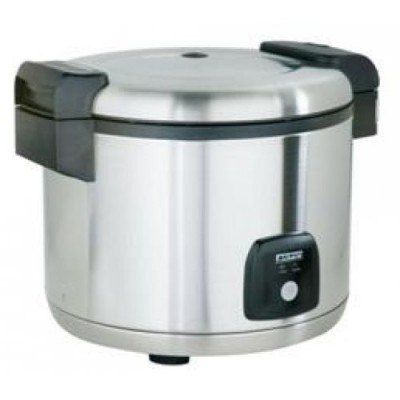
A high-quality commercial rice cooker is essential for any restaurant serving rice regularly. Whether you're operating an Asian eatery, a busy takeaway shop, or a buffet-style venue, selecting the right rice cooker directly impacts your kitchen's efficiency and food quality. The choice between domestic and commercial rice cookers can make or break your service during peak hours.
This guide breaks down the critical factors to help Australian hospitality operators make an informed decision about their rice cooking equipment.
Key Takeaways
- Commercial rice cookers handle 10-50 cups per cycle versus 10 cups maximum for domestic models
- Restaurant-grade units feature stainless steel construction built for daily heavy-duty use
- Higher wattage commercial units cook faster and maintain temperature longer
- Initial investment in commercial equipment pays off through reliability and longevity
- Advanced safety features protect staff in busy kitchen environments
Essential Factors When Selecting a Restaurant Rice Cooker
Capacity and Daily Output Requirements
Commercial rice cookers are engineered to handle large batches, typically between 10 to 50 cups of uncooked rice per cycle. Domestic models usually max out at around 10 cups, making them impractical for a busy restaurant kitchen.
If your establishment serves high volumes of rice daily—particularly in Asian restaurants, food courts, or buffet settings—a commercial unit is non-negotiable. Calculate your peak service demand and choose capacity accordingly.
Build Quality and Long-Term Durability
Domestic rice cookers are manufactured for occasional home use, whereas commercial models are engineered for heavy-duty performance. They feature stainless steel bodies, industrial-grade heating elements, and reinforced inner pots designed to withstand long hours of continuous operation.
Restaurant-grade rice cookers can handle multiple cooking cycles per day, six or seven days a week, without degradation in performance. This durability is essential for commercial benchtop equipment that's expected to perform reliably year after year.
Cooking Speed and Energy Efficiency
A high-performing commercial rice cooker should be able to cook rice quickly and consistently. Commercial models have higher wattage and powerful heating elements, ensuring that large quantities of rice cook evenly and stay warm for extended periods.
Domestic cookers take considerably longer and may not deliver the same consistency batch after batch. In a busy service environment, this time difference directly affects your ability to meet customer demand.
Keep-Warm Function and Temperature Control
Most modern rice cookers include a keep-warm feature, but commercial units excel in this aspect. Professional models use advanced thermal insulation to maintain the ideal serving temperature for several hours without drying out the rice or creating uneven texture.
This functionality is particularly valuable for buffet service, food warmers, and restaurants with varying service times. Many commercial units can safely hold cooked rice at optimal temperature for 6-12 hours.
Cleaning and Maintenance Considerations
In a fast-paced restaurant environment, easy cleaning is essential for maintaining health standards and kitchen efficiency. Commercial units are typically designed with non-stick, removable inner pots and stainless steel exteriors, making them easier to maintain compared to domestic models.
Look for units with minimal crevices where food particles can accumulate. Quick turnaround between batches depends on how efficiently your staff can clean and restart the equipment.
Safety Features for Commercial Kitchens
Commercial rice cookers often include overheat protection, automatic shut-off, and insulated exteriors to prevent accidents in a busy kitchen environment. Domestic models typically lack these advanced safety measures that are crucial when multiple staff members are working in close quarters.
Australian workplace health and safety regulations require commercial kitchens to minimize burn risks and fire hazards. Professional-grade equipment helps you meet these obligations.
Cost Analysis: Initial Investment vs. Long-Term Value
While domestic rice cookers are cheaper upfront (typically $50-$200), they are not built for long-term, heavy-duty use in commercial settings. A commercial rice cooker may cost $300-$1,500, but it's an investment that pays off in reliability, efficiency, and longevity.
Frequent replacements of domestic units, combined with inconsistent output and potential food waste, often cost more in the long run. Commercial equipment also holds resale value and can be depreciated as a business asset.
Commercial vs. Domestic Rice Cookers: Side-by-Side Comparison
| Feature | Commercial Units | Domestic Units |
|---|---|---|
| Capacity | 10-50 cups uncooked | 3-10 cups uncooked |
| Construction | Stainless steel, reinforced | Plastic housing, lighter materials |
| Daily Use Cycle | Multiple cycles, continuous operation | 1-2 cycles, intermittent use |
| Cooking Time | Faster due to higher wattage | Slower, lower power output |
| Keep-Warm Duration | 6-12 hours without quality loss | 2-4 hours before drying out |
| Expected Lifespan | 5-10 years | 3-6 months in commercial use |
| Price Range | $300-$1,500 | $50-$200 |
Why Choose Commercial-Grade Rice Cooking Equipment
Professional rice cookers are trusted equipment in the commercial kitchen space for good reason. They're specifically designed for the demands of hospitality environments where consistency, speed, and reliability are paramount.
Commercial units integrate seamlessly with other commercial cooking equipment and complement your existing food warming systems for efficient service.
Key Advantages of Commercial Rice Cookers
- Large Capacity – Perfect for high-demand settings including restaurants, cafes, and catering operations
- Superior Durability – Built for long-term use with minimal downtime
- Faster Cooking Time – Keeps up with busy service hours and peak periods
- Excellent Keep-Warm Function – Ensures perfect rice texture for hours without constant monitoring
- User-Friendly Controls – Simplifies cooking for kitchen staff with varying experience levels
- Consistent Results – Produces uniform quality batch after batch
Matching Rice Cooker Capacity to Your Venue Type
Different hospitality venues have varying rice cooking requirements. Understanding your specific needs helps you choose the right capacity and features.
Small Cafes and Takeaway Shops
For cafes and coffee shops that offer rice-based dishes as part of a limited menu, a 10-15 cup commercial rice cooker typically suffices. This provides enough capacity for lunch service without excessive waste.
Full-Service Restaurants
Medium to large restaurants serving rice as a staple require 20-30 cup capacity units. This allows for multiple batches during service while maintaining the keep-warm function for consistent quality throughout the dinner period.
Buffet and High-Volume Operations
Hotels, buffets, and catering operations benefit from 30-50 cup models or multiple units running simultaneously. These high-capacity cookers ensure continuous supply during peak service times without quality compromise.
Specialty Venues
Venues such as aged care facilities and hotel kitchens require commercial equipment that can handle scheduled meal services for large groups while maintaining food safety standards.
Integration with Your Commercial Kitchen Setup
Rice cookers don't operate in isolation. Consider how they fit within your overall kitchen workflow and equipment layout.
Position your rice cooker near other bain marie units and serving areas for efficient plating during service. Ensure adequate ventilation and access to power outlets that can handle the higher wattage requirements of commercial units.
Many operators pair rice cookers with commercial steamers to create efficient Asian cuisine preparation zones that maximize kitchen space and workflow.
Final Verdict: Commercial Equipment for Commercial Kitchens
For home use, a domestic rice cooker might be sufficient, but for a restaurant or commercial kitchen, investing in a commercial-grade rice cooker is the only sensible choice. It will save time, reduce waste, ensure consistent quality, and provide the reliability your business depends on.
The equipment pays for itself through improved efficiency, reduced replacement costs, and consistent food quality that keeps customers satisfied and coming back.
Ready to Upgrade Your Rice Cooking Equipment?
If you're serious about serving high-quality rice efficiently, a commercial-grade rice cooker is essential kitchen equipment. Calculate your daily volume requirements, consider your budget for equipment that will last years rather than months, and choose capacity that accommodates your peak service demands.
Browse our complete range of professional commercial cooking equipment to find rice cookers and other essential kitchen appliances designed specifically for Australian hospitality businesses.
Need expert advice on selecting the right commercial rice cooker for your venue? Our team understands the unique demands of Australian commercial kitchens and can recommend equipment matched to your specific operational needs, budget, and service style.


