

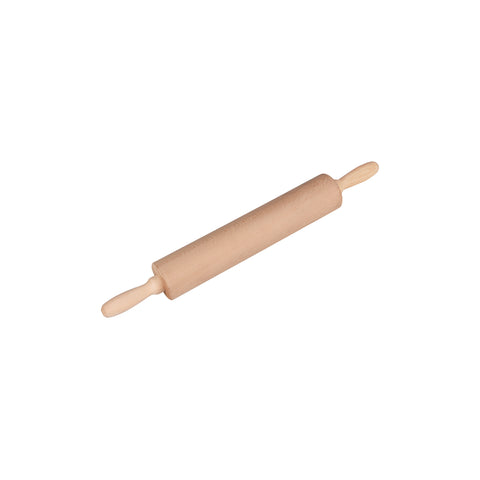
When it comes to baking or pizza-making, the rolling pin is a staple tool in both home and professional kitchens. But not all rolling pins are created equal. One of the most common questions Australian chefs and bakers ask is: which rolling pin material performs better—aluminium or wood?
In this guide, we'll compare the pros and cons of aluminium and wooden rolling pins, helping you make an informed decision for your commercial kitchen or home baking setup.
Key Takeaways
- Aluminium rolling pins stay cool longer, ideal for butter-rich doughs and high-output kitchens
- Wooden rolling pins offer traditional feel and grip, perfect for delicate pastries
- Material choice depends on your baking style, maintenance preferences, and hygiene requirements
- Both types have distinct advantages for different commercial kitchen applications
Wooden Rolling Pins: The Traditional Choice
Wooden rolling pins have been the go-to choice for bakers for centuries. Their natural properties make them particularly suited to traditional baking applications, especially in artisan bakery settings.
Benefits of Wooden Rolling Pins
Natural feel and superior grip: Wood provides a familiar texture and tactile feedback that many professional bakers prefer. The natural grain creates friction that helps you maintain control, particularly important when working with delicate doughs.
Ideal for traditional baking: Wooden pins excel at rolling pie crusts, cookie dough, and soft bread doughs. The slightly porous surface helps prevent sticking when properly floured.
Excellent flour retention: Wood naturally holds flour on its surface, which reduces the chance of dough sticking during rolling. This makes it particularly useful for pastry work in busy kitchens.
Drawbacks of Wooden Rolling Pins
Requires regular maintenance: Wooden pins need periodic oiling with food-safe mineral oil and thorough drying to prevent cracking, warping, or splitting. This maintenance requirement can be time-consuming in high-volume commercial environments.
Can absorb odors and flavors: The porous nature of wood means it can absorb strong spices, oils, or flavors from doughs. This can be problematic when switching between sweet and savory applications.
Not dishwasher safe: Wooden pins require hand washing and careful drying, which may not align with food safety protocols in some commercial kitchens.
Aluminium Rolling Pins: The Modern Performer
Aluminium rolling pins have become increasingly popular in commercial kitchens, particularly among pizza shops and high-volume bakeries. Their modern design addresses many of the maintenance challenges associated with traditional materials.
Benefits of Aluminium Rolling Pins
Stays cool significantly longer: Aluminium's thermal properties allow it to retain cold temperatures much longer than wood. This is especially valuable when working with butter-rich doughs like puff pastry, croissants, or Danish pastries where temperature control is critical.
Superior hygiene and easy cleaning: The non-porous surface makes aluminium pins more resistant to bacteria, odors, and stains. They can be thoroughly sanitized, meeting the strict hygiene standards required in commercial food preparation environments.
Smooth, consistent rolling action: The perfectly smooth surface of aluminium creates even pressure distribution, resulting in uniform dough thickness. This consistency is invaluable in high-output kitchens where standardization matters.
Exceptional durability: Aluminium pins won't crack, warp, or split like wooden alternatives. They maintain their shape and performance characteristics for years, even under heavy commercial use.
Drawbacks of Aluminium Rolling Pins
Slippery surface: Aluminium doesn't absorb flour like wood does, which can make it slightly more prone to dough sticking if not properly floured. Some bakers find this requires adjustment to their technique.
Less traditional feel: The smooth metal surface doesn't provide the same tactile feedback that experienced bakers are accustomed to with wooden pins. This can require an adjustment period for those transitioning from wood.
Material Comparison: Side-by-Side Analysis
| Feature | Wooden Rolling Pin | Aluminium Rolling Pin |
|---|---|---|
| Temperature Control | Room temperature | Stays cold longer |
| Hygiene | Porous, absorbs odors | Non-porous, bacteria resistant |
| Maintenance | Requires oiling, hand wash only | Low maintenance, dishwasher safe |
| Durability | Can crack or warp | Highly durable |
| Best For | Traditional baking, artisan pastries | Commercial kitchens, puff pastry |
| Grip | Natural friction, excellent control | Smooth surface, may need adjustment |
Which Rolling Pin Should You Choose?
The right choice depends on your specific baking applications, working environment, and personal preferences. Here's how to decide:
Choose a Wooden Rolling Pin If:
You're a traditional baker who values the classic feel and tactile feedback of natural materials. Wooden pins are ideal if you primarily work with pies, cookies, and softer doughs where temperature control isn't critical.
You're setting up an artisan bakery or home kitchen where the aesthetic and traditional methods are part of your brand identity. You're also willing to invest time in proper maintenance and care.
Choose an Aluminium Rolling Pin If:
You operate a high-volume commercial kitchen where hygiene standards, consistency, and durability are paramount. Aluminium pins are perfect for pastry chefs working with laminated doughs, pizza operations, and busy café environments.
You need equipment that can withstand intensive daily use without warping, cracking, or requiring special maintenance. The ability to refrigerate the pin for temperature-sensitive work is also a major advantage.
Professional Kitchen Recommendation
- High-volume bakeries: Aluminium for consistency and hygiene
- Artisan pastry shops: Both types for different applications
- Pizza shops: Aluminium for durability and easy cleaning
- Home bakers: Wooden for traditional feel, aluminium for laminated doughs
- Cafés with pastry programs: Aluminium for efficiency and maintenance ease
Essential Rolling Pin Considerations for Australian Commercial Kitchens
Beyond material choice, consider these factors when selecting rolling pins for your operation:
Size and weight: Longer pins (45-50cm) work better for large sheets of dough, while shorter pins offer more control for detailed work. Weight affects how much pressure you need to apply.
Handle design: French-style pins without handles offer maximum control and feel. Pins with rotating handles reduce hand fatigue during extended use.
Food safety compliance: Ensure any rolling pin meets Australian food safety standards, particularly important for commercial operations requiring certification.
Complementary Equipment
Pair your rolling pins with quality bakeware and baking accessories to complete your preparation setup. Consider investing in proper work surfaces, pastry mats, and storage solutions to maximize efficiency.
Final Thoughts: Making the Right Investment
Both wooden and aluminium rolling pins have proven track records in professional kitchens across Australia. Your choice should align with your specific baking style, operational requirements, and maintenance capabilities.
Wooden pins excel in traditional baking environments where feel and control are paramount. Aluminium pins dominate in commercial settings where hygiene, consistency, and durability cannot be compromised. Many professional kitchens keep both types on hand, selecting the appropriate tool for each specific task.
When you're ready to upgrade your kitchen tools, choose equipment from trusted suppliers who understand the demands of Australian commercial kitchens. Quality rolling pins are an investment that will serve your operation for years when properly selected and maintained.
Ready to equip your kitchen with professional-grade rolling pins and baking equipment? Explore the complete range of commercial kitchen utensils and gadgets at Hospitality Connect, your trusted partner for quality hospitality equipment across Australia.


