

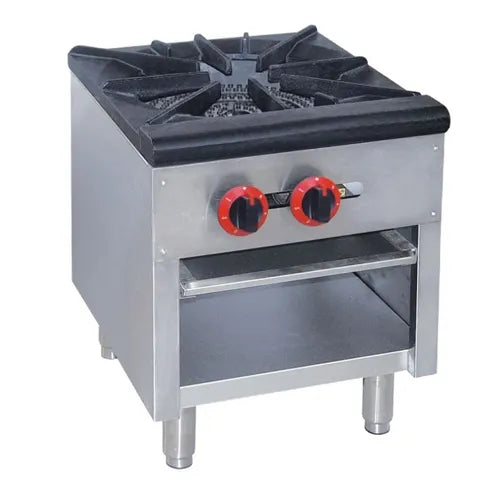
In the fast-paced world of professional kitchens, especially in Asian, Italian, and high-volume cooking environments, a stock pot cooker is an essential piece of equipment. Designed for large-scale boiling, simmering, and steaming, it's ideal for preparing broths, soups, curries, sauces, and more.
But what exactly makes a stock pot cooker so valuable? And should you choose one with a splashback or without? In this guide, we'll break down the benefits, key differences, and trusted brands to help you make an informed decision for your commercial kitchen.
Key Takeaways
- Stock pot cookers deliver 60–120MJ/h output for rapid bulk cooking
- Models with splashbacks protect walls and suit compact layouts
- Open-sided units offer 360° access and flexibility
- Reinforced frames support heavy pots safely
- Ideal for restaurants, catering, hotels, and aged care facilities
What Is a Stock Pot Cooker?
A stock pot cooker (also known as a stock pot range) is a heavy-duty gas-powered unit specifically built for handling large pots and intense, prolonged cooking. With high-BTU burners and reinforced frames, these cookers are designed to support the weight and heat needed for cooking big batches efficiently.
You'll often find them in commercial kitchens, restaurants serving soups or pho, catering services, hotels, and aged care facilities. They're part of a broader range of cooking equipment designed to handle professional demands.
Benefits of Using a Stock Pot Cooker
1. High Heat Output for Fast Boiling
Stock pot cookers deliver powerful heat, often 60–120MJ/h or higher, enabling rapid boiling of large volumes of water or stock. This level of output significantly reduces cooking time compared to standard cooktops.
The intense heat is particularly valuable when you need to bring 40 or 60 litres of liquid to boiling point quickly, which is common in busy service periods.
2. Dedicated Equipment for Bulk Cooking
Free up your main stovetop and allow chefs to simultaneously simmer stocks, soups, or sauces without disruption. This separation of tasks improves kitchen workflow and reduces congestion during peak hours.
Having dedicated equipment means your line cooks can focus on à la carte orders while prep staff manage bulk production.
3. Energy Efficiency
Designed for long periods of cooking, these units are often more energy-efficient for bulk production than using multiple burners on a standard range. The focused, high-output burners direct heat exactly where needed.
This efficiency translates to lower gas consumption over extended cooking sessions, making them cost-effective for operations that prepare large batches daily.
4. Space Optimization
Compact and standalone, they are perfect for placing in prep areas or back kitchens. This helps streamline workflow and prevent overcrowding on line cookers.
Many models have a small footprint relative to their cooking capacity, making them suitable even for kitchens with limited floor space.
5. Durability & Weight Support
Stock pot cookers are made with reinforced cast-iron trivets and heavy-duty frames to safely support large, heavy pots. This structural strength is critical when working with stock pots that can weigh 50+ kilograms when full.
The robust construction ensures stability during stirring, ladling, and prolonged high-temperature cooking.
With Splashback vs Without Splashback: What's the Difference?
When choosing a stock pot cooker, you'll notice some models come with a splashback and others without. Here's how to choose the right one for your kitchen layout and cooking style.
| Feature | With Splashback | Without Splashback |
|---|---|---|
| Design | Vertical stainless steel barrier | Open-sided, no rear barrier |
| Protection | Shields walls from splatter | Requires ventilation management |
| Access | Front and side access only | 360° access around pot |
| Placement | Against wall or corner | Island or between equipment |
| Best For | Compact kitchens, high-splatter cooking | Flexible layouts, mobile kitchens |
Stock Pot Cooker with Splashback
Models with splashbacks include a vertical stainless steel barrier behind the burner. This barrier helps protect surrounding walls or equipment from grease, oil, and splatter during vigorous boiling or stirring.
They're ideal for placing against a wall or in tighter kitchen corners, and they're easier to clean when installed near prep benches or tiled surfaces. This design also helps with hygiene compliance in food safety audits.
Best for: Compact kitchens, high-splatter cooking (like oily broths), and compliance with hygiene standards.
Stock Pot Cooker without Splashback
Open-sided designs offer greater access and flexibility. They allow 360° access around the pot for stirring or ladling from any angle, which can be crucial during busy service.
These units are often used in island setups or where ventilation hoods already manage splatter. They can be placed between equipment or in open kitchens where multiple staff need access.
Best for: Flexible kitchen layouts, mobile kitchens, or chefs who need full pot access.
Top Stock Pot Cooker Brands to Consider
At Hospitality Connect, we supply Australia's most trusted commercial cooking brands. Here are some standout options for stock pot cookers.
B+S Black (B+S Commercial)
Premium stock pot ranges made in Australia with heavy-duty construction and powerful burners. B+S Black units are available with and without splashbacks, making them ideal for demanding, high-volume kitchens.
These units are built to withstand constant use in professional environments and come with comprehensive warranty support.
Cobra (by Moffat)
Reliable and cost-effective, Cobra stock pot cookers are great for entry-level or mid-range operations. They feature stainless steel construction with easy-clean design and straightforward controls.
Cobra offers excellent value for venues that need dependable performance without premium pricing.
Goldstein
This iconic Australian brand has a reputation for long-lasting performance. Goldstein stock pot cookers are perfect for venues that require constant bulk cooking, with proven durability across decades of use.
Many operators choose Goldstein for its combination of robust engineering and local parts availability.
Gasmax
Affordable, efficient, and easy to use, Gasmax units are ideal for budget-conscious operations, food trucks, or small kitchens. They deliver solid performance at an accessible price point.
Gasmax stock pot cookers offer natural gas or LPG compatibility and straightforward installation.
Each of these brands offers gas-powered models with natural gas or LPG compatibility and multiple burner types depending on your cooking needs. Many operators pair their stock pot cookers with quality cookware to maximize efficiency.
What to Look for When Buying a Stock Pot Cooker
Before making your purchase, consider these key factors to ensure you choose the right unit for your operation.
Heat Output
Match the burner output (measured in MJ/h) to your volume requirements. Higher-volume operations preparing 60+ litre batches multiple times daily will benefit from 100MJ/h or higher output.
Construction Quality
Look for stainless steel frames, cast-iron trivets, and robust gas valves. These components determine longevity and safety under daily use.
Gas Connection Type
Confirm whether your kitchen has natural gas or LPG, and order the appropriate model. Some brands offer conversion kits, but factory-configured units are generally preferable.
Footprint and Placement
Measure your available floor space and consider workflow patterns. Ensure there's adequate clearance for staff to work safely around hot pots.
Compatibility with Existing Equipment
Consider how your stock pot cooker will integrate with your existing benchtop equipment and ventilation systems.
Buyer's Checklist
- Determine required heat output based on batch sizes
- Measure installation space and clearances
- Confirm gas type (natural gas or LPG)
- Decide between splashback or open design
- Verify compatibility with ventilation system
- Consider warranty and local service availability
Maintenance Tips for Stock Pot Cookers
Proper maintenance extends the life of your stock pot cooker and ensures consistent performance. Follow these essential care practices.
Daily Cleaning
Wipe down stainless steel surfaces after each use to prevent buildup of grease and food residue. Clean cast-iron trivets once cooled, removing any spills that could cause corrosion.
Check and clean burner ports to ensure consistent flame pattern and optimal gas flow.
Regular Inspections
Monthly checks should include gas connections, control knobs, and ignition systems. Look for signs of wear, corrosion, or gas leaks.
Inspect the structural integrity of trivets and frames, especially in high-use environments.
Professional Servicing
Schedule annual servicing by a qualified gas technician to maintain safety compliance and warranty coverage. This should include pressure testing, valve inspection, and burner calibration.
Keep service records for compliance documentation and insurance purposes.
Common Applications for Stock Pot Cookers
Stock pot cookers excel in specific commercial kitchen scenarios. Understanding these applications helps you determine if this equipment suits your operation.
Asian Restaurants
Pho restaurants, ramen shops, and other Asian venues rely on stock pot cookers for preparing large batches of broth daily. The high heat output extracts maximum flavor from bones and aromatics.
Catering Operations
Caterers use these units for preparing soups, sauces, and bulk pasta cooking for large events. The standalone design makes them suitable for temporary kitchen setups.
Aged Care and Healthcare
Facilities preparing bulk meals for residents benefit from the efficiency and safety of dedicated stock pot cookers. They work well alongside steamers in healthcare kitchens.
Hotels and Resorts
Large hotel kitchens use stock pot cookers in prep areas to support banquet services and high-volume breakfast operations.
Stock Pot Cooker vs Other Cooking Equipment
How does a stock pot cooker compare to other bulk cooking options?
Stock Pot Cooker vs Standard Range
While a stove range with oven offers versatility, stock pot cookers provide superior heat output and weight support specifically for liquid-based bulk cooking.
Standard ranges typically max out at 40-50MJ/h per burner, whereas dedicated stock pot burners can deliver 80-120MJ/h.
Stock Pot Cooker vs Kettle
Tilting kettles and soup kettles offer convenience for soups and sauces but lack the flexibility to use various pot sizes and types.
Stock pot cookers accommodate any pot that fits the trivet, from 20 to 100+ litres, offering greater versatility.
Final Thoughts
A stock pot cooker is a must-have for any commercial kitchen that deals with high-volume liquid cooking. From rich broths to hearty curries, these dedicated units offer power, speed, and consistency.
Choosing between a model with or without splashback depends on your kitchen layout, cleaning routines, and cooking style. And whether you prefer premium performance or great value, Hospitality Connect has the solution that fits your budget and operation.
Ready to upgrade your commercial kitchen? Explore our full range of stock pot cookers and commercial cooking equipment at Hospitality Connect. Our team can help you select the perfect unit for your needs and provide expert installation advice.


