

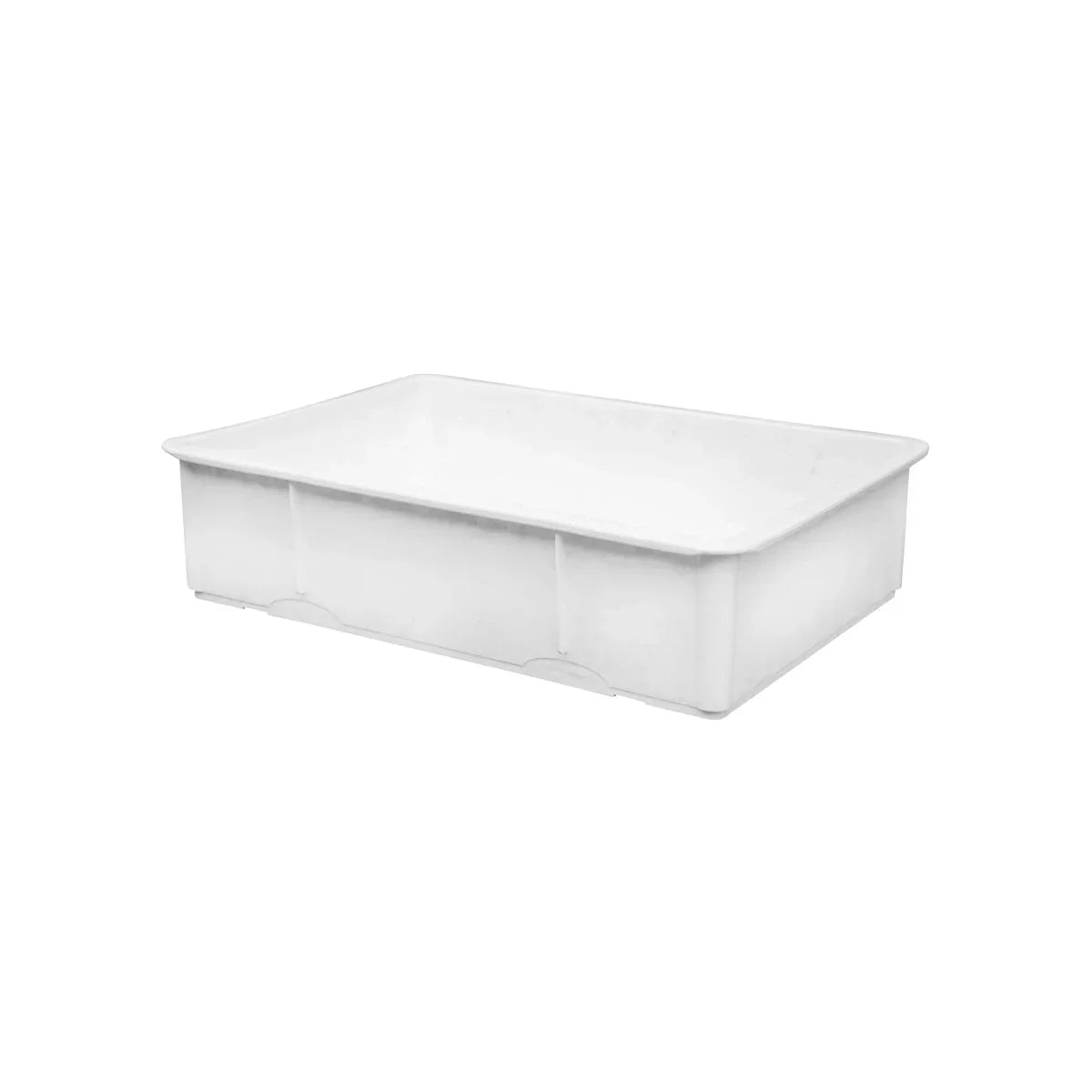
Whether you're running a busy pizzeria or perfecting your artisan pizza at home, dough boxes are a game-changing tool in the dough preparation process. Trusted by professionals and essential in high-volume kitchens, these stackable containers help keep your dough fresh, consistent, and ready to rise.
From bulk fermentation to cold-proofing overnight, dough boxes deliver the controlled environment your pizza dough needs to develop flavour and texture. Let's explore how they work and why they're indispensable in commercial pizza kitchens.
What Is a Dough Box?
A dough box, also known as a dough tray or dough pan, is a shallow, stackable container designed specifically to hold and proof dough balls. These boxes are typically made from food-safe plastic materials and come in various sizes to suit the needs of commercial and home kitchens.
Brands like GI Metal and Cambro are renowned for their durable and hygienic dough boxes, used in professional pizza kitchens around the world. These containers have become standard equipment in bakery operations and pizzerias across Australia.
Stackable Design — No Lid Required for Each Box
One of the most efficient features of dough boxes is that you don't need a lid for every box. Instead, the boxes are designed to stack neatly on top of each other, with the bottom of one box serving as the lid for the one beneath it.
This reduces clutter and cost, while still ensuring an airtight environment that keeps the dough from drying out. For storage or transportation, a single lid is typically placed on the topmost box in the stack.
This space-saving design is particularly valuable in busy commercial kitchens where refrigeration space is at a premium.
How Dough Boxes Help Dough Rise
Proper dough fermentation is critical to achieving that airy, flavourful crust pizza lovers crave. Dough boxes support this process in several important ways.
Creating a Stable Fermentation Environment
Dough boxes maintain a consistent temperature and humidity level around your dough balls. This stability is essential for even fermentation, allowing the yeast to work at a predictable rate across all your dough.
Without this protection, temperature fluctuations and drafts can cause uneven rising, resulting in inconsistent crust quality.
Protecting Against Moisture Loss
The semi-sealed environment created by stacked dough boxes prevents the dough surface from drying out and forming a skin. This moisture retention is crucial for maintaining dough elasticity and achieving proper gluten development.
By allowing dough balls to breathe slightly while still being protected, the boxes create the perfect conditions for the yeast to work its magic.
Key Takeaways
- Dough boxes maintain stable temperature and humidity for consistent fermentation
- Stackable design saves space without requiring individual lids
- Food-grade plastic construction ensures hygiene and easy cleaning
- Essential for bulk dough preparation in commercial kitchens
- Protects dough from drying out while allowing controlled airflow
Key Benefits of Using Dough Boxes
Here's why pizza shops — and smart home cooks — love using dough boxes in their food preparation workflow.
Consistent Fermentation
Dough boxes provide a uniform environment, ensuring each dough ball ferments at the same rate. This leads to consistent results, which is crucial in a commercial kitchen setting where quality control directly impacts customer satisfaction.
Space-Saving Storage
Thanks to the stackable design, you can maximise your refrigeration or prep area space without sacrificing hygiene or quality. Multiple trays stack vertically, making efficient use of limited work bench and cooler space.
Easy Portioning and Handling
Dough boxes are typically shallow and wide, making it easy to scoop out individual dough balls for stretching and baking. The low profile allows clear visibility of your dough inventory at a glance.
Improved Dough Quality
With reduced exposure to air and consistent fermentation conditions, dough stays moist and workable longer, producing better pizzas. The controlled environment minimises oxidation and supports optimal yeast activity.
Hygienic and Easy to Clean
Top-tier brands like GI Metal and Cambro manufacture their dough boxes using food-grade plastic that's BPA-free, stain-resistant, and dishwasher safe. This makes sanitation straightforward and helps kitchens maintain food safety standards.
Why Pizza Shops Use Dough Boxes
From artisan pizzerias to global pizza franchises, dough boxes are a non-negotiable part of the operation. Pizza chefs rely on them for multiple critical functions throughout their production workflow.
| Application | How Dough Boxes Help |
|---|---|
| Bulk Fermentation | Allow multiple dough balls to proof simultaneously in controlled conditions |
| Cold Proofing | Enable slow overnight fermentation in coolers for enhanced flavour |
| Kitchen Transport | Safely move prepped dough between prep and pizza stations |
| FIFO Rotation | Stackable design makes first-in, first-out inventory management simple |
With heavy use and the need for strict food safety compliance, commercial kitchens trust Cambro's NSF-certified boxes or GI Metal's lightweight, Italian-made designs that are built for performance and longevity.
Choosing the Right Dough Box Size
Dough boxes come in various dimensions to accommodate different dough ball sizes and production volumes. The right size depends on your portion weight, how many balls you need per batch, and your available storage space.
Most commercial pizza operations use standard sizes that hold between 6 to 12 dough balls per tray, with depths ranging from 7cm to 10cm. Matching your box size to your production volume helps optimise workflow efficiency.
Material and Durability Considerations
Quality dough boxes are manufactured from high-density polyethylene or polypropylene that can withstand temperature extremes from freezer to room temperature. Look for boxes that are crack-resistant, won't warp over time, and maintain their seal integrity through repeated use.
Food-grade certification and BPA-free construction should be non-negotiable requirements for any dough box used in commercial food service operations.
Proper Dough Box Usage and Maintenance
To get the most from your dough boxes, follow proper usage protocols. Always ensure boxes are thoroughly cleaned and sanitised between uses to prevent cross-contamination and off-flavours.
When stacking dough boxes for fermentation, avoid stacking too high as excessive weight can compress bottom trays and affect dough ball shape. Most manufacturers recommend stacks no higher than 8-10 boxes depending on the model.
Cleaning and Sanitation Best Practices
Wash dough boxes in hot, soapy water or run them through a commercial dishwasher after each use. Pay special attention to corners and edges where dough residue can accumulate. Regular sanitation prevents bacteria growth and extends the life of your equipment.
Proper care of your food storage containers ensures compliance with health regulations and protects the quality of your products.
Final Thoughts
If you're serious about pizza, dough boxes are not just a nice-to-have — they're a must-have. Efficient, hygienic, and dough-friendly, they take the guesswork out of fermentation and help deliver that perfect rise every time.
Pro Tip: Invest in a quality brand like Cambro or GI Metal for long-term durability and better dough results. And remember — you don't need a lid for every tray; stack them smartly and save space!
Ready to upgrade your dough preparation workflow? Explore our full range of pizza equipment and bakery supplies designed for Australian commercial kitchens.


