

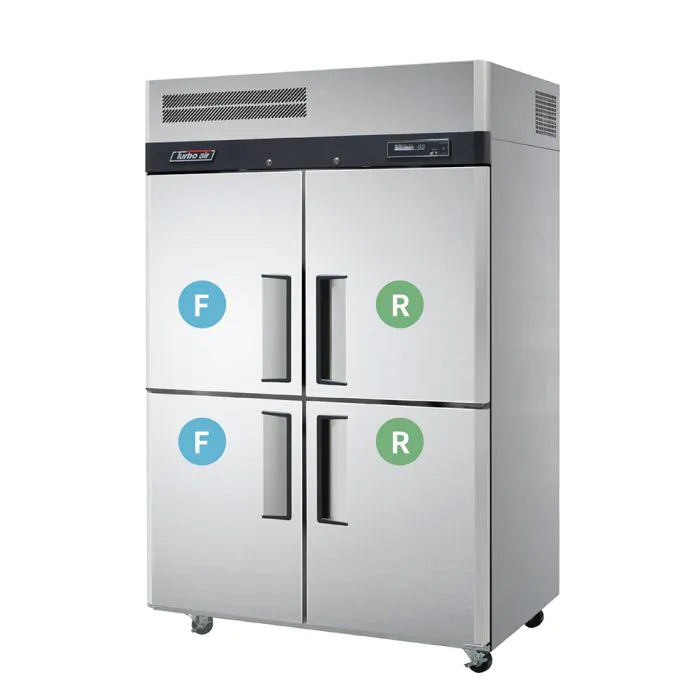
If you're looking for powerful cooling at home — maybe for large gatherings, serious meal prepping, or an impressive beverage setup — you might be wondering: can I put a commercial refrigeration unit in my house? The short answer is yes, but with several important considerations. Let's explore what you should think about before making the move.
Installing a commercial fridge at home offers superior cooling capacity and durability compared to standard domestic models. However, these industrial-grade units come with specific requirements that differ significantly from residential appliances.
Key Takeaways
- Commercial fridges require adequate ventilation and space planning
- Expect higher noise levels and energy consumption than domestic models
- Ensure your flooring can support the additional weight
- Consider the aesthetic impact on your home design
- Professional installation is highly recommended
Critical Factors Before Installing a Commercial Fridge at Home
1. Compressor Size and Noise Levels
Commercial refrigeration units are built to handle heavy use, and part of that power comes from their larger compressors. This means they can drop temperatures much faster than a standard domestic fridge — essential for preserving food quality in high-volume settings.
However, that bigger compressor also comes with a downside: noise. Commercial fridges tend to be significantly louder than residential models, often producing a constant low hum that can be disruptive in quiet home environments.
2. Ventilation and Heat Output
A commercial fridge generates a lot of heat as it works hard to maintain low temperatures. Unlike domestic models designed for enclosed kitchen spaces, commercial units expel significantly more heat during operation.
Because of this, it's crucial that the space where you install the unit is well-ventilated. A poorly ventilated area can cause the fridge to overheat, work harder than necessary, and ultimately shorten its lifespan while increasing energy costs.
Consider spaces like garages, utility rooms, or custom-built pantry areas with good airflow when planning installation. Leave adequate clearance around the unit — typically at least 10–15cm on all sides for proper air circulation.
3. Energy Consumption
Commercial fridges are designed for efficiency in a business setting, but they aren't necessarily optimized for energy savings at home. These units run more frequently and consume more power than domestic models.
You might see a noticeable spike in your electric bill depending on the model and how often the fridge is accessed. Calculate the running costs before committing to ensure the investment makes financial sense for your household.
4. Size and Weight Considerations
Commercial fridges are bigger and heavier than domestic fridges — often weighing 150–300kg or more when empty. Before purchasing, make sure you've addressed these practical concerns:
- You have enough floor space for the unit, including clearance for ventilation
- Your flooring can support the heavier weight (reinforcement may be needed)
- Doorways and pathways to the installation area are wide enough to move the fridge through
- You have access to appropriate electrical outlets and power capacity
Many commercial refrigeration units require professional delivery and installation due to their size and technical requirements.
Commercial vs Domestic Fridge: Key Differences
| Feature | Commercial Fridge | Domestic Fridge |
|---|---|---|
| Cooling Power | High capacity, rapid cooling | Standard household cooling |
| Noise Level | 60–70 decibels (louder) | 38–45 decibels (quieter) |
| Energy Use | Higher consumption | Energy efficient for home use |
| Durability | Heavy-duty, long lifespan | Moderate durability |
| Weight | 150–300kg+ | 60–120kg |
5. Aesthetic Considerations
While some people love the industrial look of a stainless steel commercial fridge or freezer, others might find it too harsh for a cozy home kitchen. The bold, utilitarian design can dominate a space and may not blend seamlessly with residential cabinetry.
Make sure the style matches your home's design — or be prepared for it to stand out as a statement piece. Some homeowners embrace this aesthetic as part of a professional-grade kitchen setup, while others prefer to house commercial units in separate utility areas.
Installation and Electrical Requirements
Most commercial refrigeration units require single-phase 240V power, which is standard in Australian homes. However, larger models may need dedicated circuits to avoid overloading your electrical system.
Professional installation ensures proper setup, including correct ventilation clearances, electrical connections, and leveling. Many suppliers offer installation services as part of the purchase, which is strongly recommended for these heavy, complex appliances.
Best Home Locations for Commercial Fridges
The ideal placement for a commercial refrigeration unit in a home environment balances accessibility with practical considerations like noise and ventilation:
Garage or Utility Room
These spaces typically offer excellent ventilation, adequate floor support, and isolation from living areas where noise would be disruptive. They're perfect for overflow storage or beverage cooling.
Butler's Pantry or Dedicated Prep Area
For serious home cooks, a separate prep area with commercial work benches and professional refrigeration creates a functional commercial-style setup without impacting main living spaces.
Outdoor Kitchen Areas
If you entertain frequently outdoors, a weatherproof commercial fridge can be a game-changer for alfresco dining and events. Ensure the unit is rated for outdoor use and protected from the elements.
Maintenance and Running Costs
Commercial fridges require regular maintenance to operate efficiently. This includes cleaning condenser coils, checking door seals, and monitoring temperature consistency. Professional servicing every 6–12 months helps prevent breakdowns and extends the unit's lifespan.
Running costs depend on the model's energy rating, size, and usage patterns. Expect to pay 30–50% more in electricity compared to a standard domestic fridge of similar capacity.
Final Verdict: Is a Commercial Fridge Right for Your Home?
Yes, you can install a commercial refrigeration unit at home, but it requires careful planning and consideration of your specific needs and circumstances.
If you have the space, ventilation, and tolerance for noise, a commercial fridge could be an amazing addition to your home — giving you superior cooling power, durability, and the capacity to handle large-scale entertaining or meal preparation.
These units are particularly well-suited for serious home cooks, entertainers, large families, or those who buy food in bulk. The investment can pay off in terms of food preservation, convenience, and the professional-grade functionality they provide.
Thinking about upgrading your home refrigeration setup? Make sure to weigh the pros and cons carefully to find the best fit for your needs. Browse our full range of commercial fridges and refrigeration solutions to explore your options, or contact our team for expert advice on selecting and installing the right unit for your home.


